ASUS ROG G814FP-S9006W RAM upgrade specifications
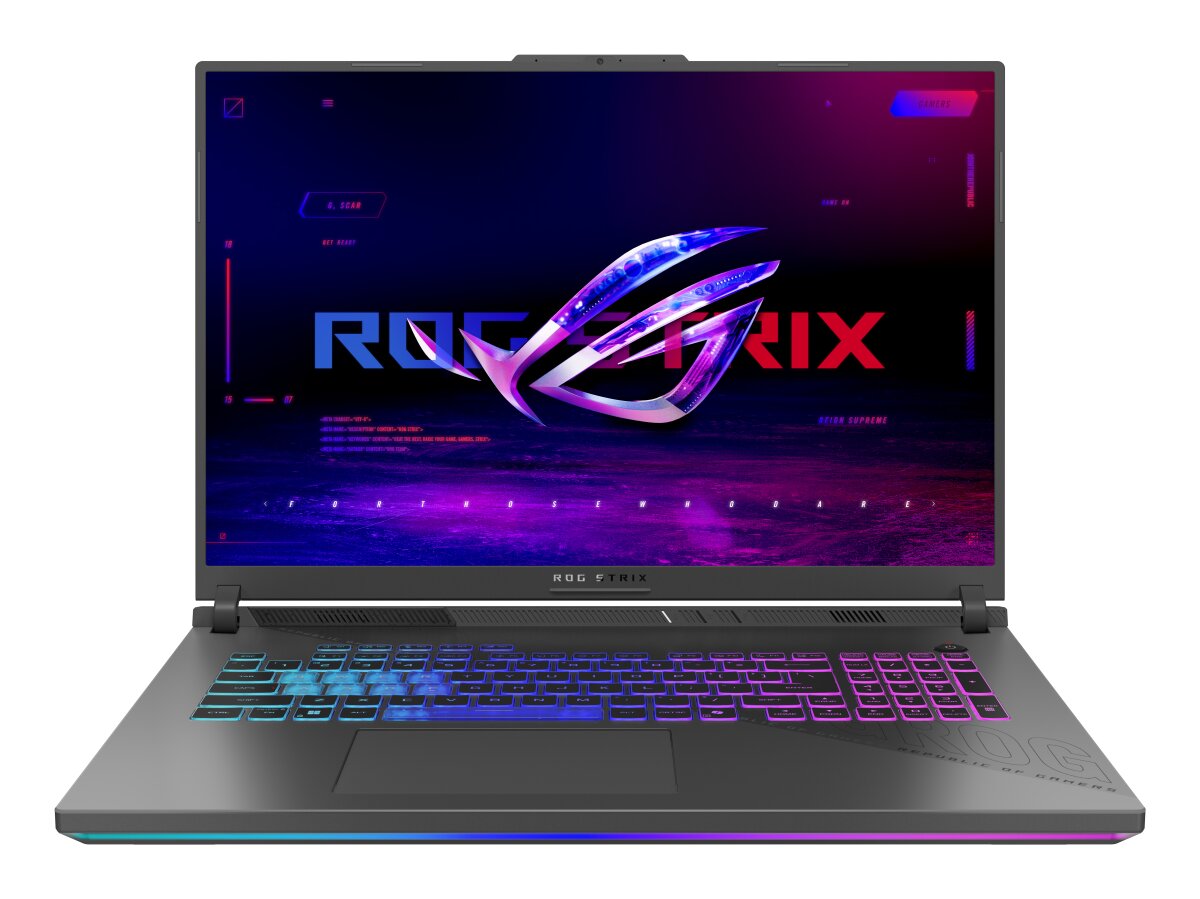
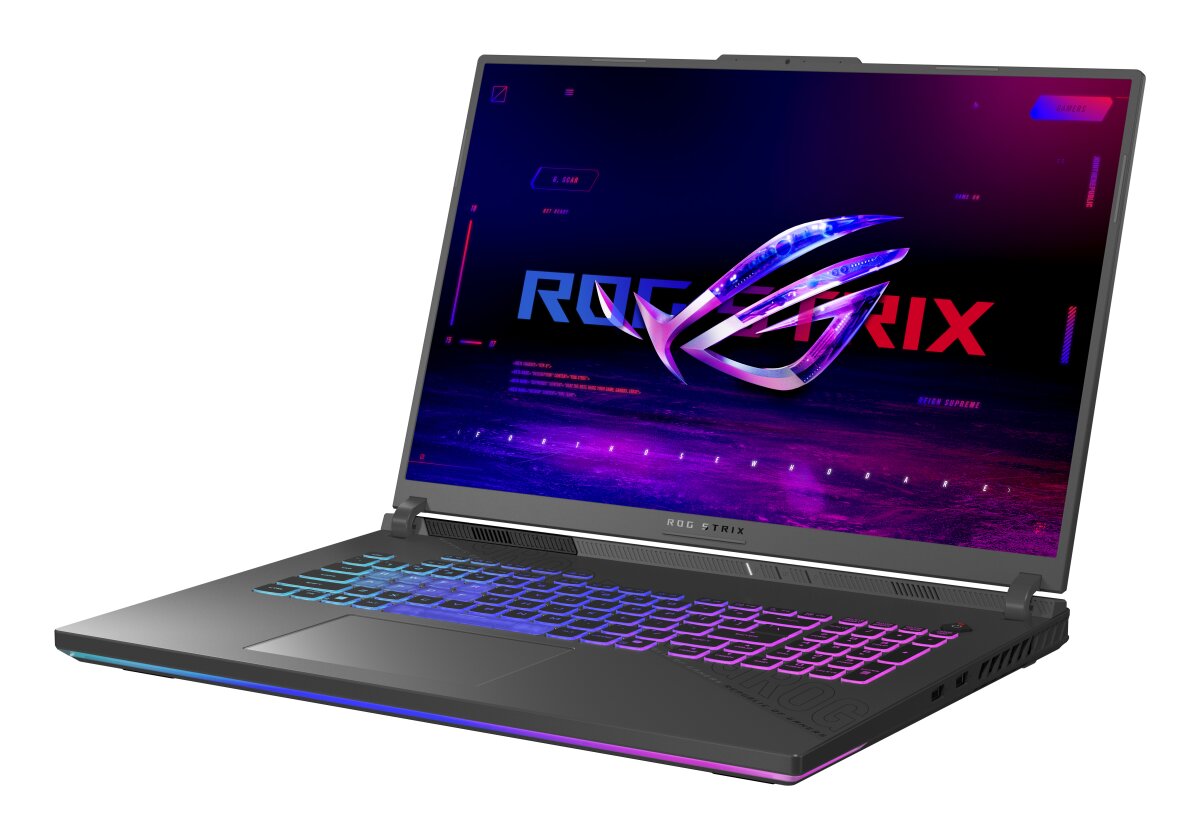
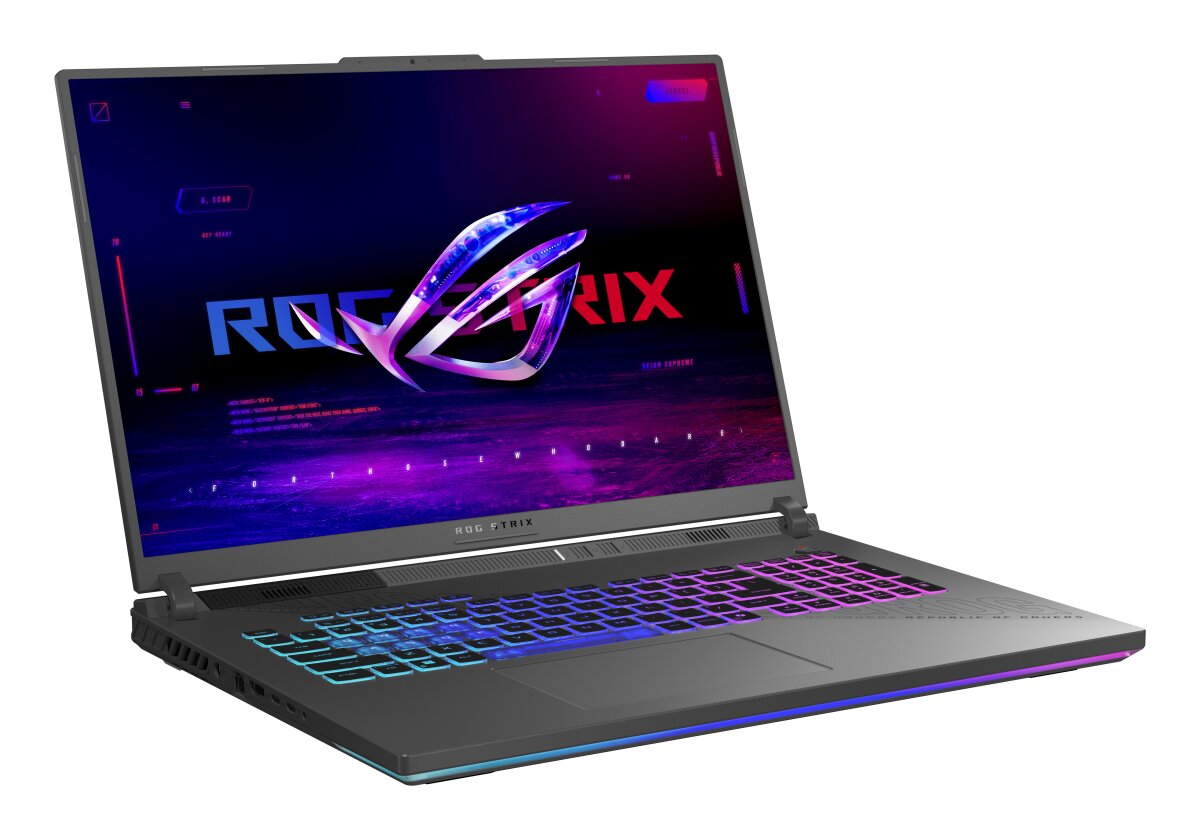
ASUS ROG Strix G18 model G814FP-S9006W supports DDR5-SDRAM memory upgrades through two SO-DIMM slots. Maximum RAM capacity reaches 32 GB total. Compatible memory operates at 5600 MHz frequency. Upgrade specifications utilize SO-DIMM form factor modules. The laptop's memory configuration allows for flexible expansion within specifications to support enhanced multitasking and performance requirements.
Memory Upgrade Specifications
| Specification | Value |
|---|---|
| Memory slots | 2x SO-DIMM |
| Form factor | SO-DIMM |
| Memory type | DDR5-SDRAM |
| Frequency | 5600 MHz |
| Maximum RAM | 32 GB |
| Voltage | 1.1V |
| Number of pins | 262-pin |
| Interface | PC5 |
| PC Speed Rating | PC5-5600 (PC5-44800) |
| Bandwidth | 44.8 GB/s |
Additional Notes
- The ASUS ROG G814FP-S9006W architecture restricts total system memory to 32 GB regardless of individual module density, preventing the use of higher-capacity configurations available in DDR5 technology.
- DDR5-5600 modules installed in this system will operate within JEDEC standard voltage ranges of 1.1V, reducing thermal output compared to previous DDR4 implementations while maintaining compatibility with the integrated memory controller.
- The SO-DIMM form factor requirement eliminates compatibility with standard DIMM modules, necessitating verification of notch positioning specific to DDR5 physical keying during replacement or upgrades.
- Dual-channel memory architecture across the 2 available slots delivers optimal bandwidth when populated with matched-capacity modules, as asymmetric configurations may force the controller into flex mode with reduced performance on the larger module.
- The 5600 MHz specification represents the maximum supported frequency, meaning faster-rated modules will automatically downclock to this speed through SPD profile selection, offering no performance benefit despite higher cost.
- Memory replacement on ROG series notebooks typically requires bottom panel removal and may involve dismantling cooling assemblies depending on internal layout, with proper grounding procedures essential to prevent electrostatic discharge damage to DDR5 components.
- The 32 GB ceiling limits virtual machine allocation, content creation caching, and professional workflow headroom compared to desktop equivalents, creating a fixed performance boundary for memory-intensive applications over the system's lifecycle.
- Warranty preservation requires using JEDEC-compliant modules without XMP/EXPO overclocking profiles, as frequency alterations beyond the validated 5600 MHz specification may void coverage under manufacturer service agreements.
- Non-ECC DDR5 implementation in this configuration prioritizes performance density over error correction, making the system unsuitable for applications requiring memory integrity validation in scientific or financial computing workloads.