ASUS ROG G814JI-N5056W RAM upgrade specifications


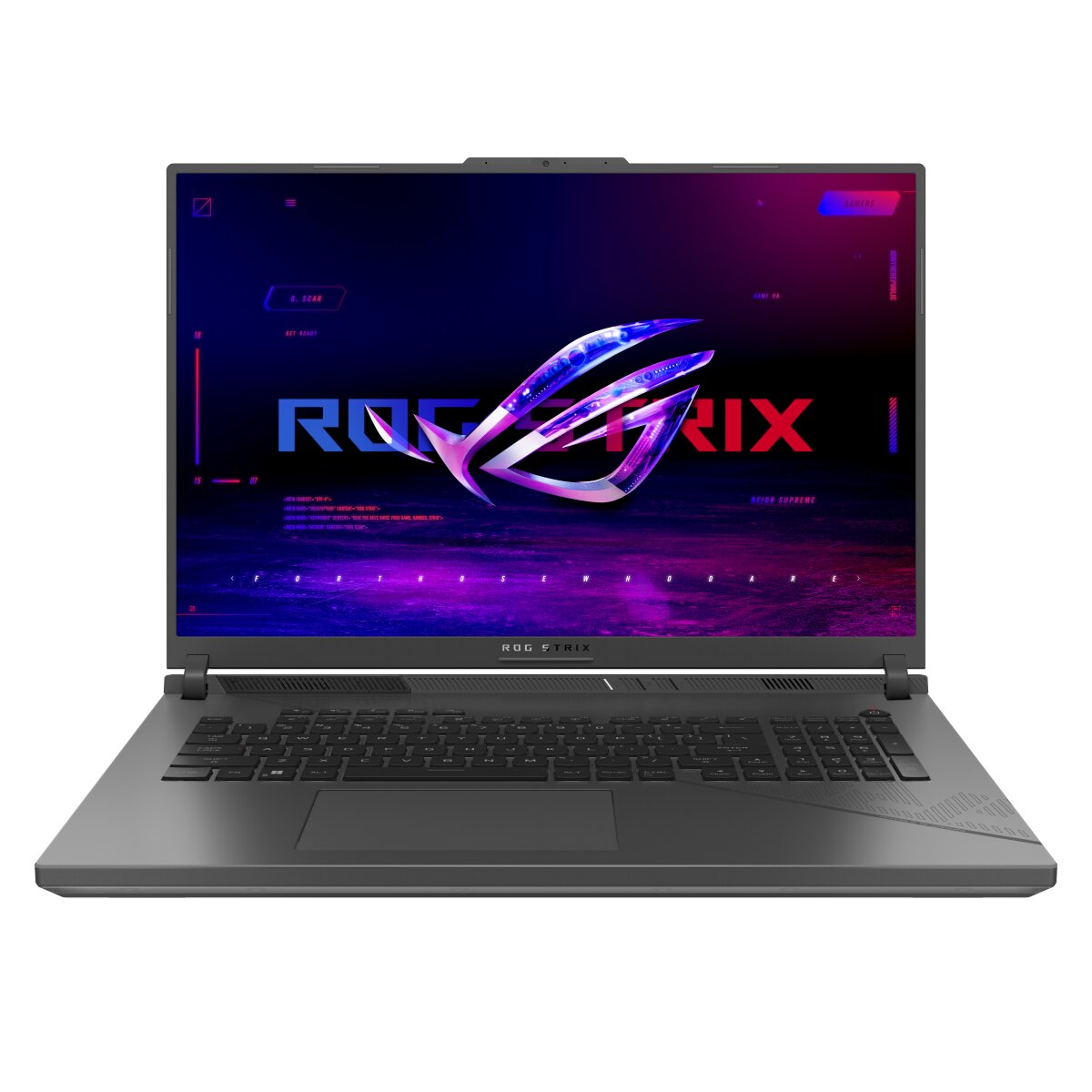

The ASUS ROG Strix G18 G814JI-N5056W laptop features two SO-DIMM slots for memory expansion. Compatible upgrades utilize DDR5-SDRAM modules operating at 4800 MHz. Maximum memory capacity reaches 32 GB total. Current specifications and compatible RAM options enable users to expand the laptop's memory beyond factory configuration. Upgrade options must match DDR5 specifications and SO-DIMM form factor requirements for proper compatibility with this gaming machine.
Memory Upgrade Specifications
| Specification | Value |
|---|---|
| Memory slots | 2x SO-DIMM |
| Form factor | SO-DIMM |
| Memory type | DDR5-SDRAM |
| Frequency | 4800 MHz |
| Maximum RAM | 32 GB |
| Voltage | 1.1V |
| Number of pins | 262-pin |
| Interface | PC5 |
| PC Speed Rating | PC5-4800 (PC5-38400) |
| Bandwidth | 38.4 GB/s |
Additional Notes
- The ASUS ROG G814JI-N5056W implements DDR5 SO-DIMM architecture, which excludes compatibility with DDR4 modules due to distinct pin configurations and voltage requirements.
- The 32 GB ceiling reflects chipset-level addressing limitations rather than slot capacity, preventing recognition of higher-density modules even when physically installable.
- Dual-channel operation requires matched module pairs for optimal memory interleaving, as asymmetric configurations force single-channel mode with approximately 30% bandwidth reduction.
- The 4800 MHz specification represents JEDEC baseline speed for DDR5, while the memory controller may support higher frequencies through XMP profiles if BIOS provisions exist.
- SO-DIMM packaging constrains thermal dissipation compared to desktop DIMMs, making high-frequency modules above 5600 MHz potentially unstable under sustained workloads without active cooling.
- Memory timing latencies at DDR5-4800 typically fall between CL38-CL40, producing similar real-world responsiveness to DDR4-3200 CL16 despite higher absolute frequency.
- The 2-slot configuration limits upgrade flexibility to binary choices of matched pairs, eliminating gradual capacity expansion strategies available in 4-slot systems.
- DDR5's on-DIMM voltage regulation circuitry adds component cost versus DDR4, making equivalent capacity upgrades approximately 40-60% more expensive at current market rates.
- Accessing memory slots in gaming chassis often requires bottom panel removal and potential disassembly of battery connectors, creating warranty seal considerations.
- Module height specifications matter for clearance, as low-profile SO-DIMMs under 30mm prove necessary in ultra-thin designs with minimal internal spacing.
- Non-ECC unbuffered modules remain the standard for consumer laptops, as ECC variants introduce performance overhead incompatible with gaming-focused memory controllers.