ASUS ROG G814JI-N5077 RAM upgrade specifications
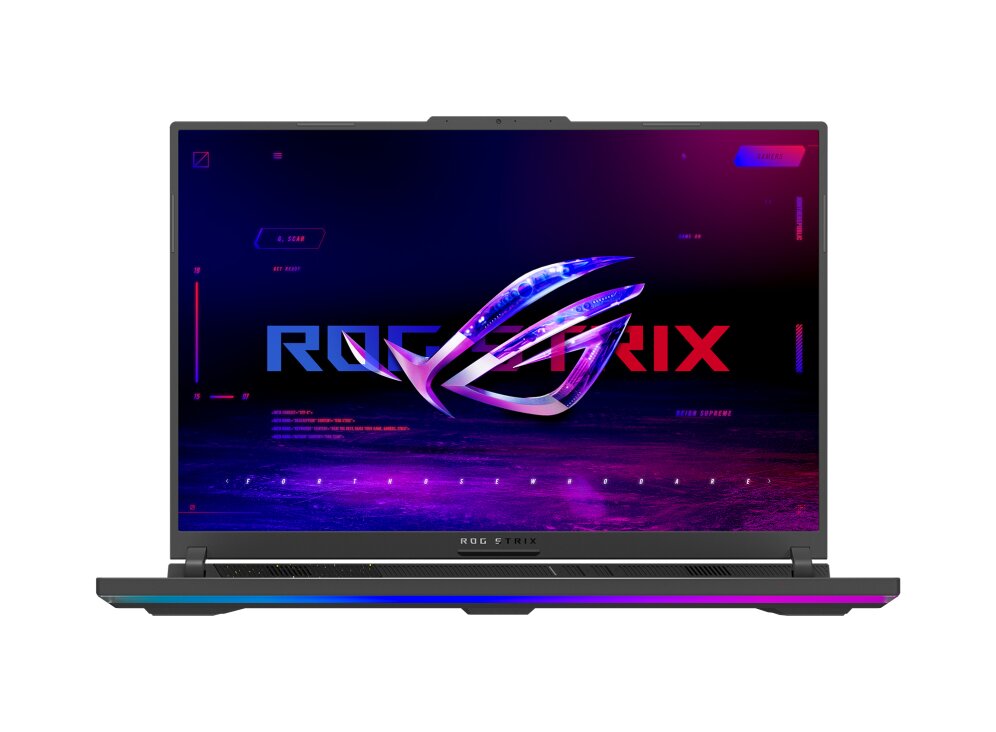

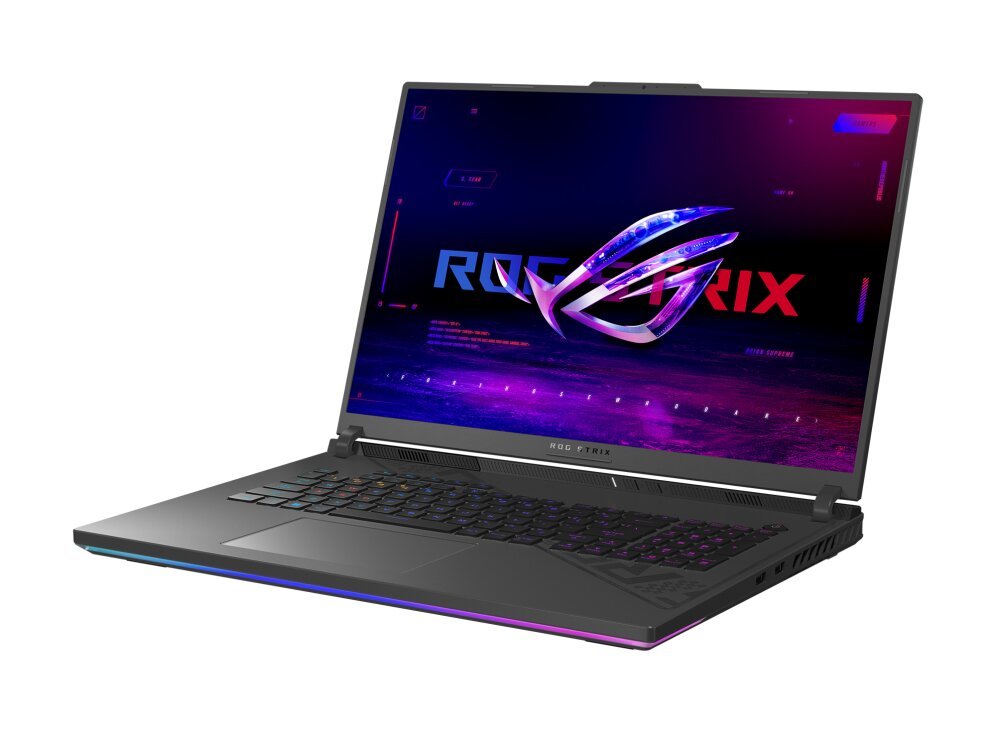
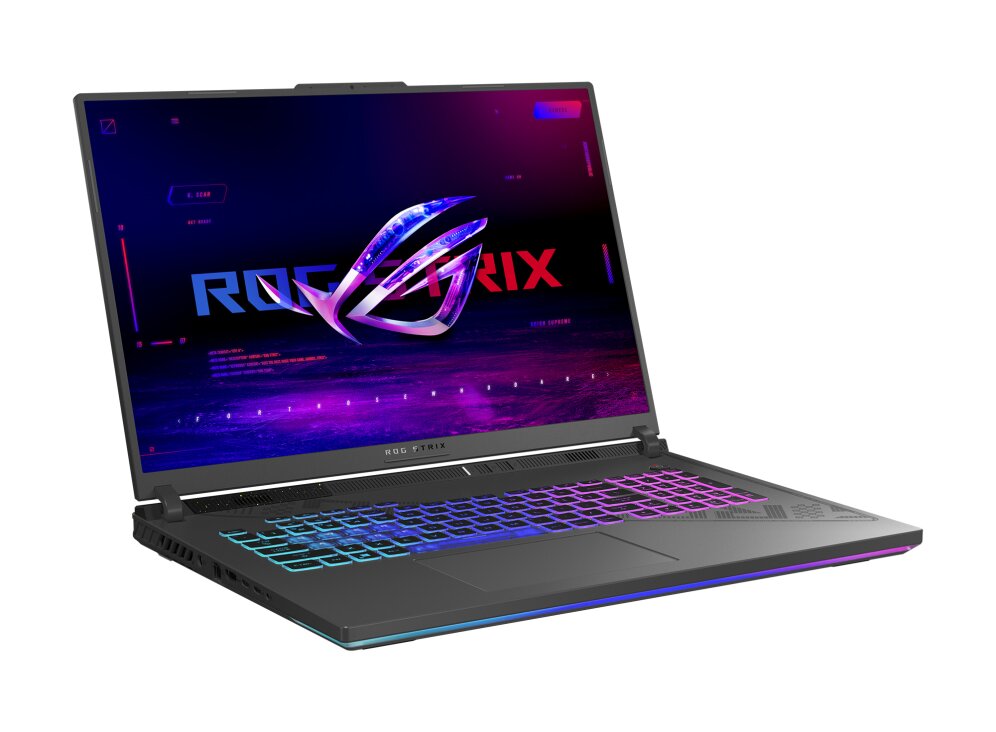
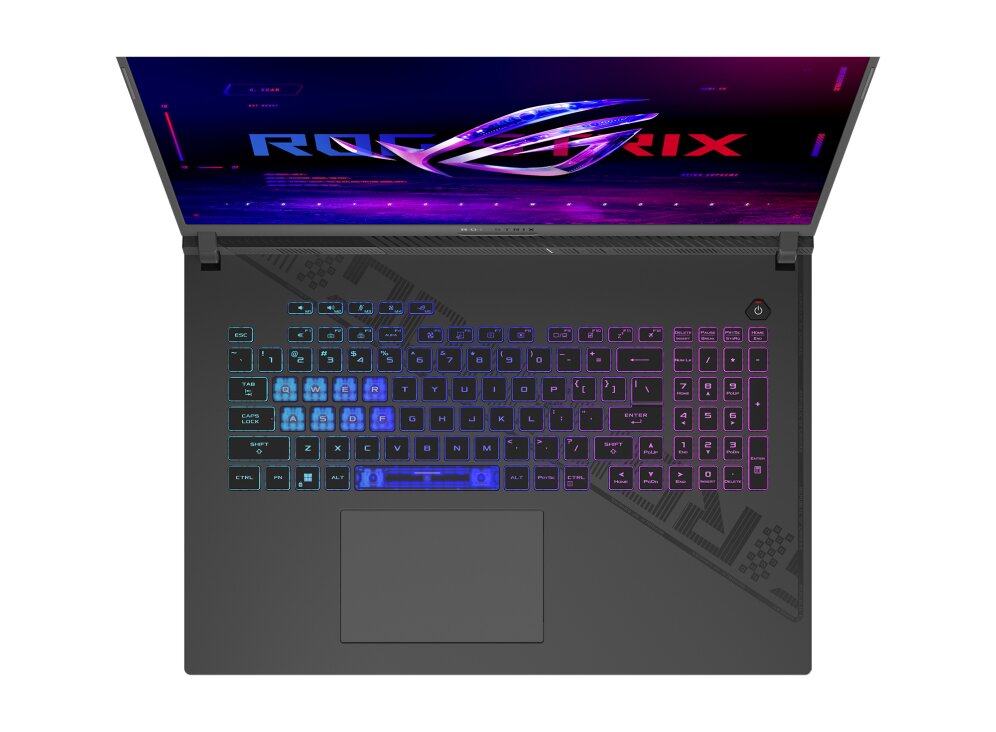
The ASUS ROG Strix G814JI-N5077 laptop features DDR5-SDRAM memory upgrade specifications with two SO-DIMM slots supporting maximum capacity of 32 GB total. Compatible memory modules operate at 4800 MHz frequency. The upgrade slots accommodate standard SO-DIMM form factor DDR5 memory, allowing users to expand or replace existing RAM modules to reach the maximum supported 32 GB capacity for enhanced multitasking performance.
Memory Upgrade Specifications
| Specification | Value |
|---|---|
| Memory slots | 2x SO-DIMM |
| Form factor | SO-DIMM |
| Memory type | DDR5-SDRAM |
| Frequency | 4800 MHz |
| Maximum RAM | 32 GB |
| Voltage | 1.1V |
| Number of pins | 262-pin |
| Interface | PC5 |
| PC Speed Rating | PC5-4800 (PC5-38400) |
| Bandwidth | 38.4 GB/s |
Additional Notes
- The presence of 2 physical SO-DIMM slots confirms that the system operates in a dual-channel configuration when both slots are populated, doubling the effective memory bandwidth compared to single-channel setups.
- The 32 GB maximum capacity indicates a firmware or hardware limitation that prevents the use of high-density 32 GB modules for a 64 GB total configuration.
- Utilizing identical memory modules is necessary to maintain stability and prevent the system from downclocking to lower JEDEC speeds.
- Replacement of existing modules is required for any memory increase since the ASUS ROG G814JI-N5077 lacks additional vacant slots for expansion beyond the initial 2 occupied units.
- The 4800 MHz frequency ceiling suggests that installing modules with higher XMP or EXPO ratings will result in the memory running at the default 4800 MHz processor limit.
- Upgrading memory requires the removal of the bottom chassis panel and the disconnection of the internal battery to prevent electrical short circuits on the motherboard during module insertion.
- The DDR5 architecture incorporates on-die ECC and integrated power management integrated circuits which increases module heat generation during heavy workloads compared to older DDR4 standards.