ASUS ROG G814JV-N5002W RAM upgrade specifications
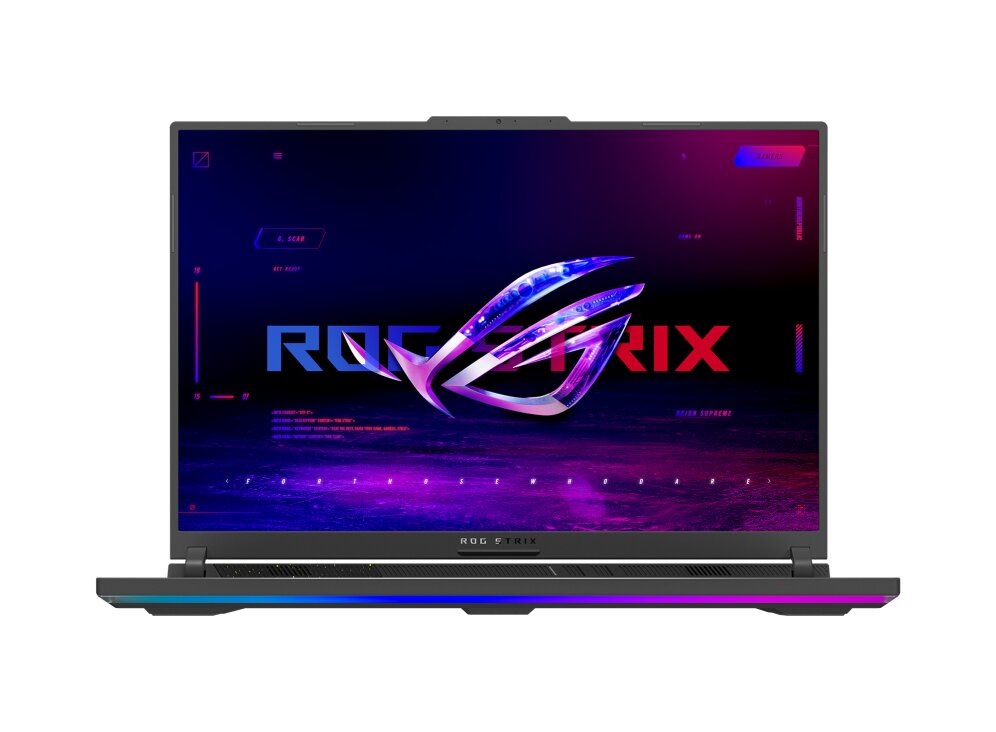



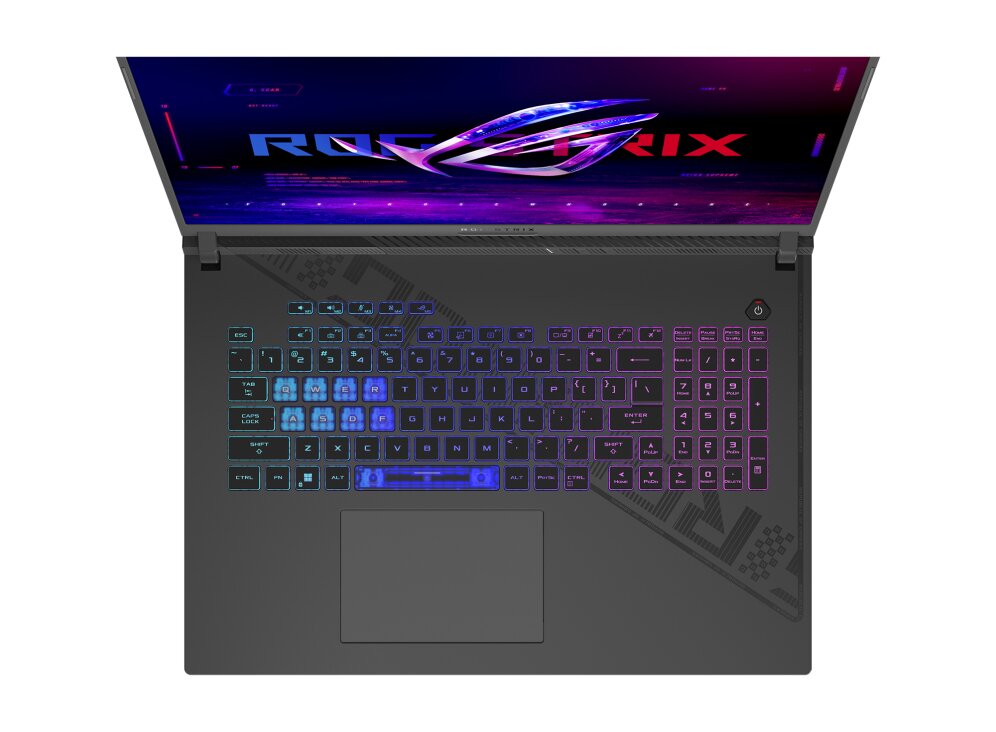
The ASUS ROG Strix G18 G814JV-N5002W laptop features DDR5-SDRAM memory upgrade specifications with 2x SO-DIMM slots supporting maximum capacity of 32 GB RAM. Compatible memory modules operate at 4800 MHz frequency. The SO-DIMM form factor enables memory expansion for enhanced system performance. Upgrade specifications are designed for the G814JV-N5002W model within the Strix G18 series.
Memory Upgrade Specifications
| Specification | Value |
|---|---|
| Memory slots | 2x SO-DIMM |
| Form factor | SO-DIMM |
| Memory type | DDR5-SDRAM |
| Frequency | 4800 MHz |
| Maximum RAM | 32 GB |
| Voltage | 1.1V |
| Number of pins | 262-pin |
| Interface | PC5 |
| PC Speed Rating | PC5-4800 (PC5-38400) |
| Bandwidth | 38.4 GB/s |
| Laptop Release date | 16 February 2023 |
Additional Notes
- The ASUS ROG G814JV-N5002W requires DDR5 modules exclusively, eliminating backward compatibility with any DDR4 inventory from previous systems.
- The 32 GB ceiling necessitates a dual 16 GB module configuration when maximizing capacity, as single 32 GB SO-DIMM modules would exceed the controller limit.
- SO-DIMM physical dimensions prevent installation of standard desktop DIMM modules, requiring laptop-specific form factor purchases.
- The 4800 MHz specification represents JEDEC-standard DDR5 base speed rather than performance-grade frequencies, limiting headroom for enthusiast overclocking compared to platforms supporting 5200 MHz or 5600 MHz.
- Dual-channel architecture across both slots delivers 76.8 GB/s theoretical bandwidth when fully populated, though single-slot operation halves this throughput.
- Accessing SO-DIMM slots typically requires bottom panel removal, which may void certain warranty coverage unless performed through authorized service channels depending on regional warranty terms.
- DDR5's onboard voltage regulation introduces module-level power management differences from DDR4, affecting thermal characteristics during sustained workloads.
- Mixing modules with different primary timings creates potential stability complications, as the memory controller defaults to the slower module's specifications across both channels.
- The 2-slot limitation prevents gradual capacity expansion beyond the initial dual-module installation without replacing existing hardware entirely.