ASUS ROG G814JV-DR5185W RAM upgrade specifications
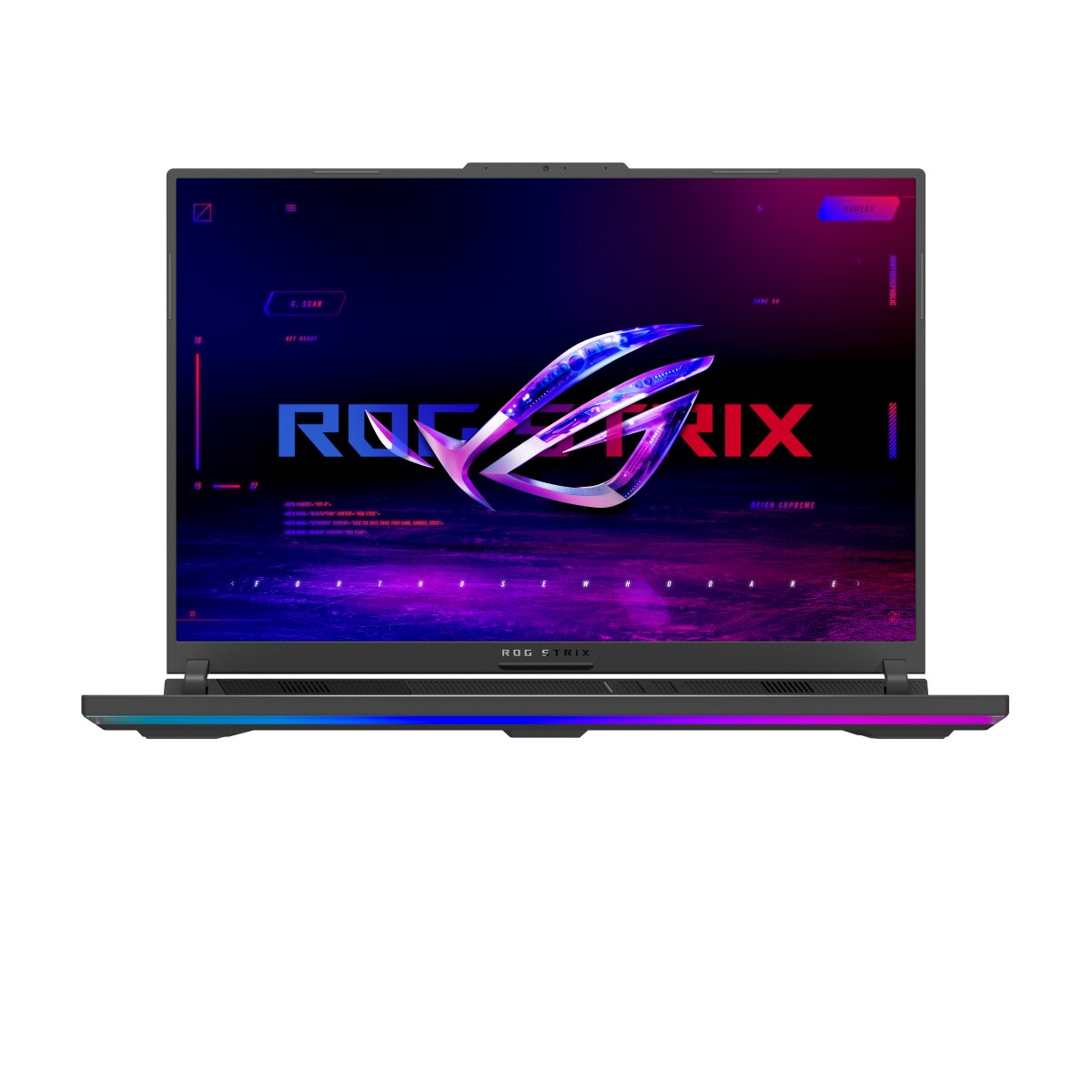


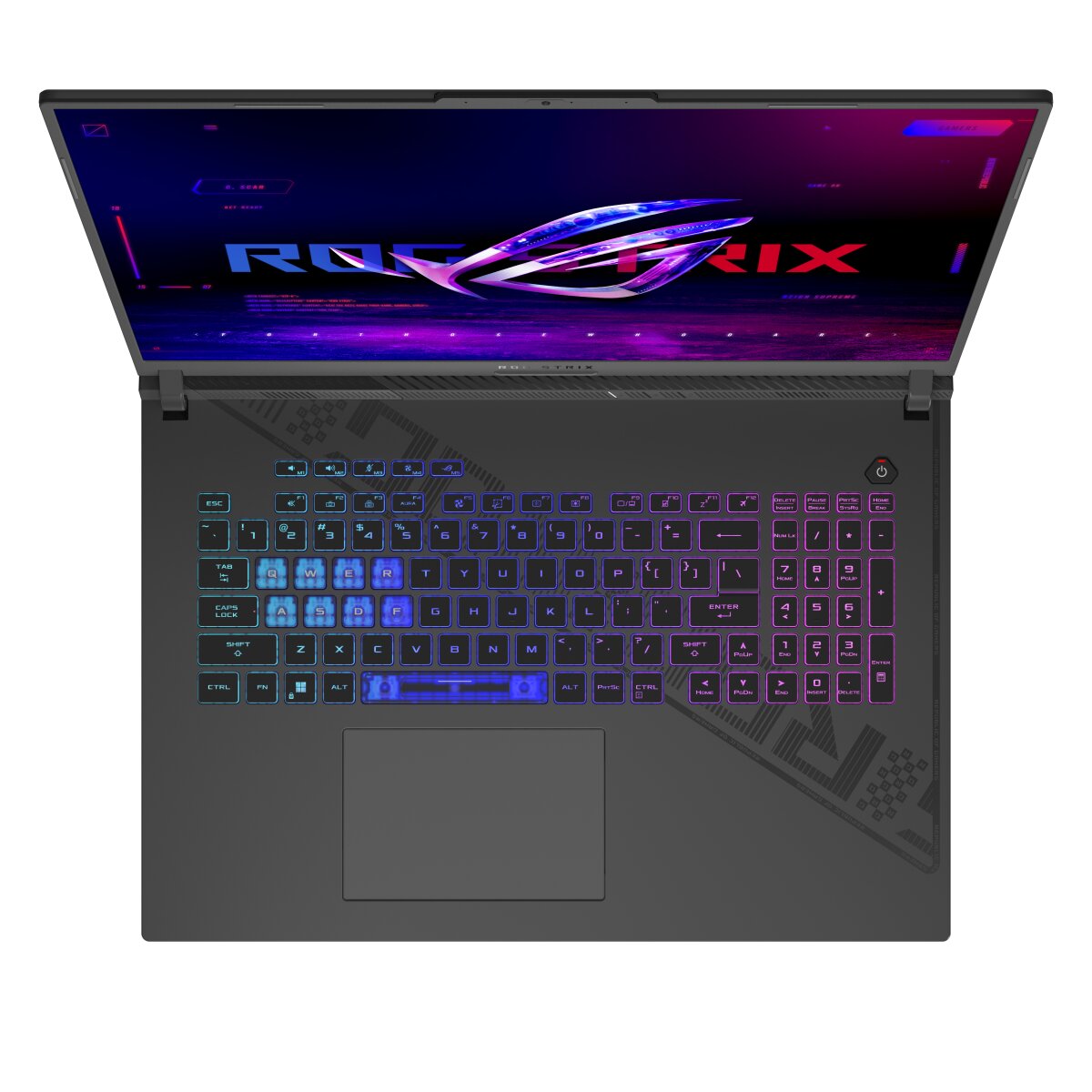

ASUS ROG Strix G18 G814JV-DR5185W laptop features DDR5-SDRAM memory upgrade specifications with dual SO-DIMM slots supporting maximum RAM capacity of 32 GB. Compatible memory modules operate at 4800 MHz frequency. Upgrade configurations accommodate DDR5-SDRAM memory type in SO-DIMM form factor, enabling users to expand system memory up to specified maximum capacity. Specifications define memory compatibility and upgrade slot availability for storage expansion.
Memory Upgrade Specifications
| Specification | Value |
|---|---|
| Memory slots | 2x SO-DIMM |
| Form factor | SO-DIMM |
| Memory type | DDR5-SDRAM |
| Frequency | 4800 MHz |
| Maximum RAM | 32 GB |
| Voltage | 1.1V |
| Number of pins | 262-pin |
| Interface | PC5 |
| PC Speed Rating | PC5-4800 (PC5-38400) |
| Bandwidth | 38.4 GB/s |
Additional Notes
- The ASUS ROG G814JV-DR5185W accepts DDR5 SO-DIMM modules exclusively, preventing the use of legacy DDR4 inventory due to incompatible voltage requirements and physical notch positioning.
- The 32 GB capacity ceiling requires installation of 2 modules at 16 GB each, as single 32 GB SO-DIMM DDR5 modules exceed the controller's per-slot addressing limit.
- The 4800 MHz native frequency operates within JEDEC standard specifications, eliminating dependency on XMP profile activation for rated performance.
- Dual-channel architecture necessitates matched module pairs to prevent asymmetric bandwidth allocation, which would force the memory controller into flex mode with reduced throughput on the mismatched capacity portion.
- SO-DIMM form factor restricts thermal headroom compared to full-size DIMMs, making high-density IC configurations more susceptible to throttling under sustained workloads without adequate chassis ventilation.
- DDR5 on-die ECC operates independently of system-level error correction, providing silent bit error mitigation without OS visibility or logging.
- The 2-slot configuration lacks expansion flexibility beyond the 32 GB threshold, requiring complete module replacement rather than incremental capacity addition.
- Mixing modules with different CAS latency timings will force both to operate at the slower timing profile, potentially negating performance gains from higher-binned memory.
- DDR5's higher baseline voltage of 1.1V compared to DDR4's 1.2V delivers improved efficiency but requires compatible PMIC circuitry embedded in the modules themselves, not the motherboard.
- Warranty preservation typically demands adherence to manufacturer-approved specifications, making the documented 32 GB limit a practical ceiling regardless of theoretical controller capabilities.