ASUS ROG G814JU-N5008W RAM upgrade specifications

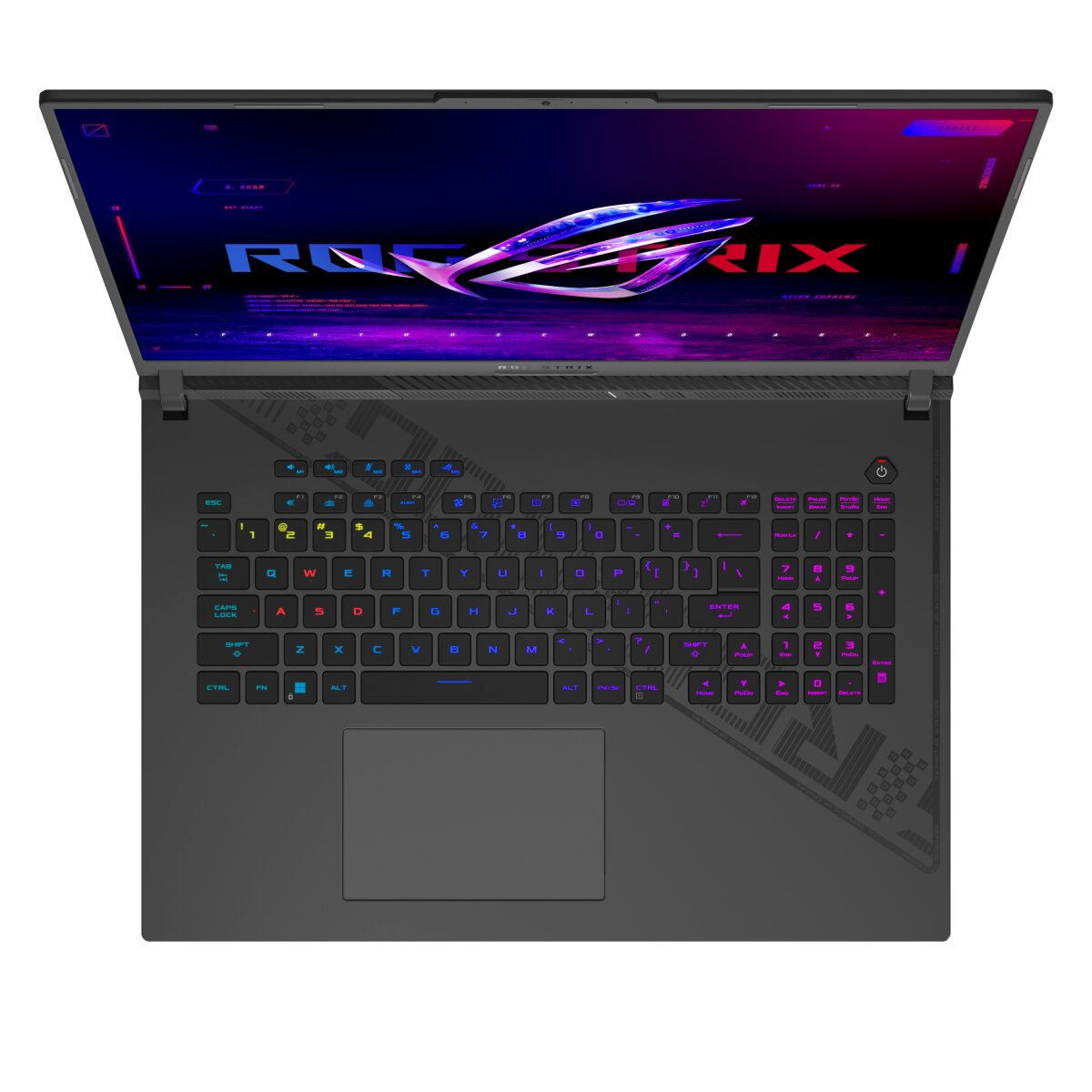

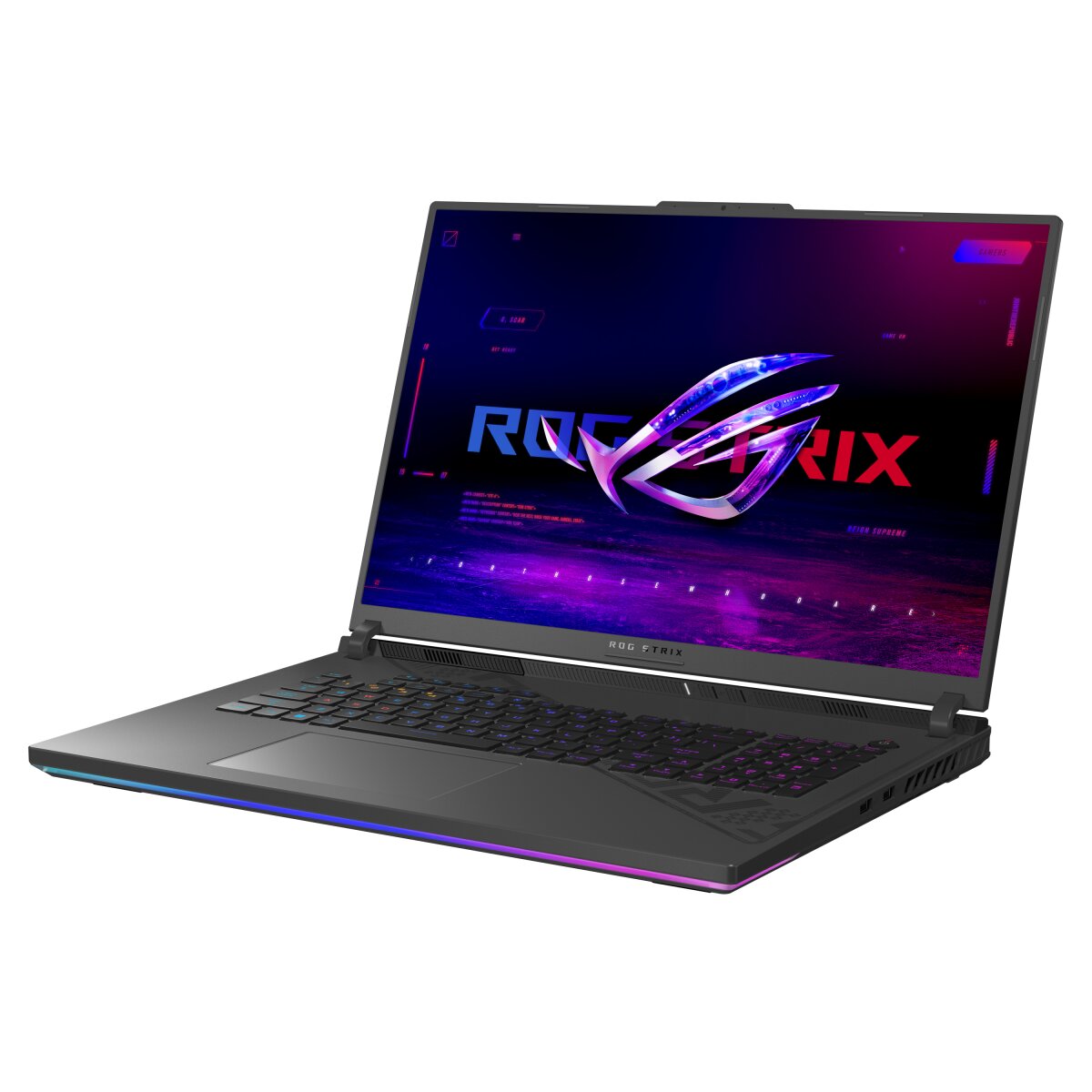
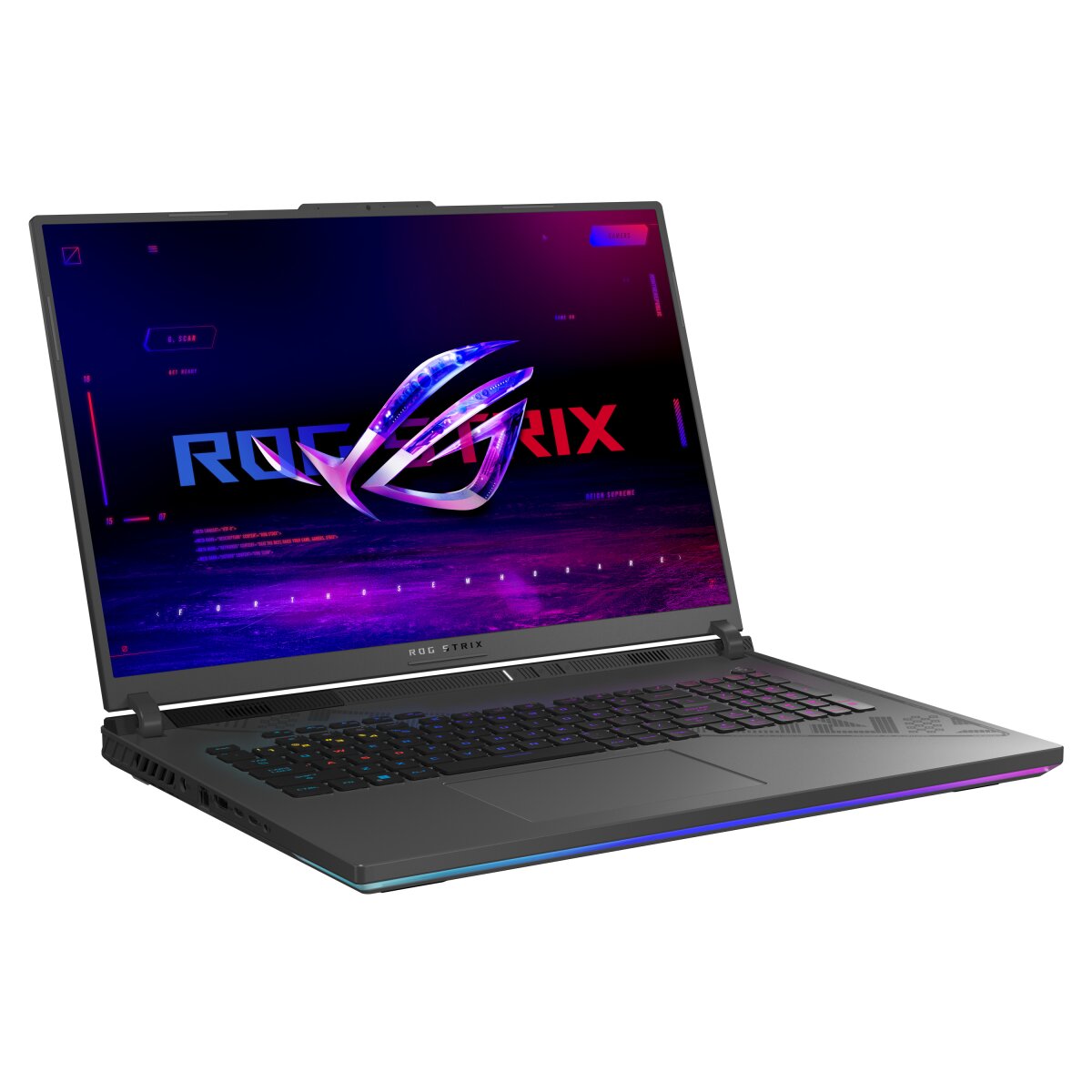
ASUS ROG Strix G18 model G814JU-N5008W features DDR5-SDRAM memory upgrade capabilities. The laptop contains 2x SO-DIMM slots for memory expansion. Maximum supported RAM capacity reaches 32 GB total. Compatible memory modules operate at 4800 MHz frequency. SO-DIMM form factor specifications define the physical memory upgrade requirements for this gaming laptop model. Users requiring enhanced multitasking and performance can upgrade memory within the specified maximum capacity constraints.
Memory Upgrade Specifications
| Specification | Value |
|---|---|
| Memory slots | 2x SO-DIMM |
| Form factor | SO-DIMM |
| Memory type | DDR5-SDRAM |
| Frequency | 4800 MHz |
| Maximum RAM | 32 GB |
| Voltage | 1.1V |
| Number of pins | 262-pin |
| Interface | PC5 |
| PC Speed Rating | PC5-4800 (PC5-38400) |
| Bandwidth | 38.4 GB/s |
| Laptop Release date | 24 April 2023 |
Additional Notes
- The ASUS ROG G814JU-N5008W relies on DDR5 modules exclusively, preventing any use of legacy DDR4 inventory due to incompatible voltage requirements and physical notch positioning.
- The 32 GB ceiling represents a per-slot limitation rather than a system architecture constraint, as DDR5 SO-DIMM modules beyond 16 GB density may exceed chipset validation thresholds.
- Operation at 4800 MHz requires dual-channel population to avoid reverting to JEDEC fallback speeds that reduce memory bandwidth by approximately 50 percent.
- SO-DIMM packaging limits thermal headroom compared to desktop UDIMM equivalents, making passive cooling dependent on chassis airflow paths around the memory bay.
- Mixing modules with different JEDEC profiles forces synchronization to the lowest common frequency and timing parameters, sacrificing performance headroom of higher-binned kits.
- Non-ECC unbuffered modules remain the only compatible architecture, as registered or load-reduced variants designed for server workloads present incompatible electrical signaling.
- Access to memory slots typically requires bottom panel removal on this chassis format, with potential warranty seal disruption depending on regional service policies.
- The 4800 MHz base specification positions the system below enthusiast-grade 5600 MHz kits, though Intel mobile platforms may not expose XMP/EXPO overclocking profiles in BIOS firmware.
- Single-rank versus dual-rank module selection affects interleaving behavior, with dual-rank configurations offering marginal bandwidth improvements at identical capacities and frequencies.
- DDR5's onboard power management IC architecture introduces module-specific voltage regulation that eliminates manual timing adjustments available in previous generation platforms.