ASUS ROG G733QS-HG015T RAM upgrade specifications
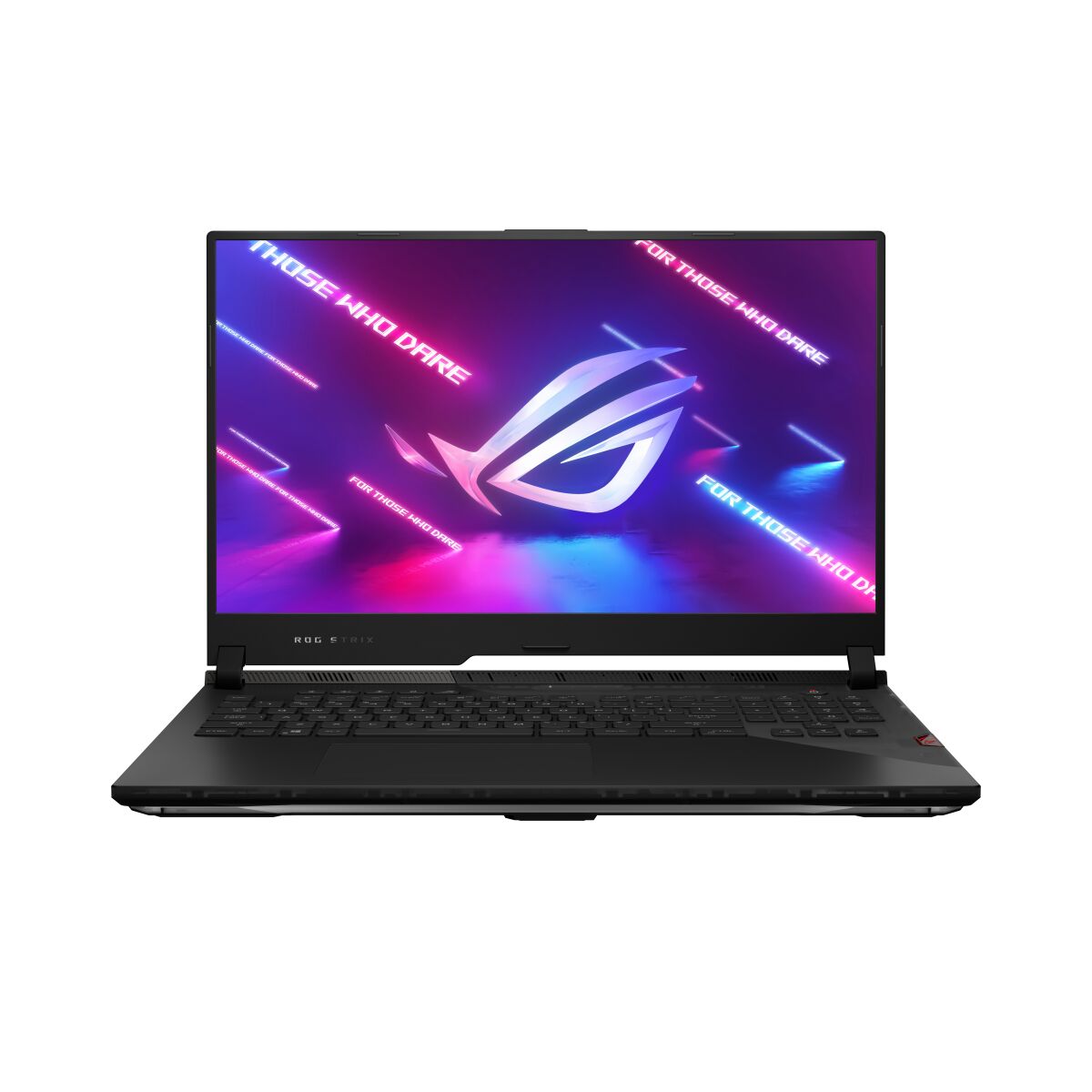



ASUS ROG Strix SCAR 17 G733QS-HG015T RAM upgrade specifications include DDR4-SDRAM memory compatible with 2x SO-DIMM slots. Maximum memory capacity reaches 64 GB total. Supported frequency operates at 3200 MHz. Compatible memory modules must utilize SO-DIMM form factor for proper installation. Specifications indicate dual-slot configuration allows for memory expansion and upgrades to enhance system performance.
Memory Upgrade Specifications
| Specification | Value |
|---|---|
| Memory slots | 2x SO-DIMM |
| Form factor | SO-DIMM |
| Memory type | DDR4-SDRAM |
| Frequency | 3200 MHz |
| Maximum RAM | 64 GB |
| Voltage | 1.2V |
| Number of pins | 260-pin |
| Interface | PC4 |
| PC Speed Rating | PC4-3200 (PC4-25600) |
| Bandwidth | 25.6 GB/s |
| Laptop Release date | 21 January 2021 |
Additional Notes
- The ASUS ROG G733QS-HG015T supports RAM expansion up to 64 GB total capacity, enabling configurations of 2x32 GB modules when both SO-DIMM slots are populated.
- DDR4-3200 represents the native speed specification, meaning modules rated at higher frequencies will downclock to 3200 MHz unless the system BIOS supports XMP profile activation.
- SO-DIMM form factor requires laptop-specific modules measuring approximately 67.6 mm in length, which are physically incompatible with standard desktop DIMM modules.
- Memory channel architecture depends on matching module capacities in both slots to maintain dual-channel operation, which doubles effective bandwidth compared to single-channel configurations.
- Mixing modules with different densities or timings may force the memory controller to operate at the lowest common specifications, potentially reducing performance below rated values.
- CAS latency variations between CL16, CL18, and CL22 modules at 3200 MHz affect real-world responsiveness, with lower latency values providing marginally faster data access despite identical frequency ratings.
- Thermal constraints within the chassis may limit sustained performance during extended memory-intensive workloads, as SO-DIMM modules lack active cooling and rely on passive airflow from adjacent components.
- Voltage requirements standardized at 1.2V for DDR4 SO-DIMM ensure compatibility across manufacturers, though low-voltage variants are unnecessary as standard DDR4 already operates at reduced power compared to DDR3.
- Warranty preservation typically requires non-destructive installation accessible through bottom panel removal, avoiding disassembly of permanently affixed components or breaking factory seals on non-serviceable areas.
- Single-rank versus dual-rank module architecture influences memory controller efficiency, with dual-rank configurations sometimes offering slight performance advantages in bandwidth-sensitive applications despite identical capacity and frequency.