ASUS ROG G733QS-HG026T RAM upgrade specifications
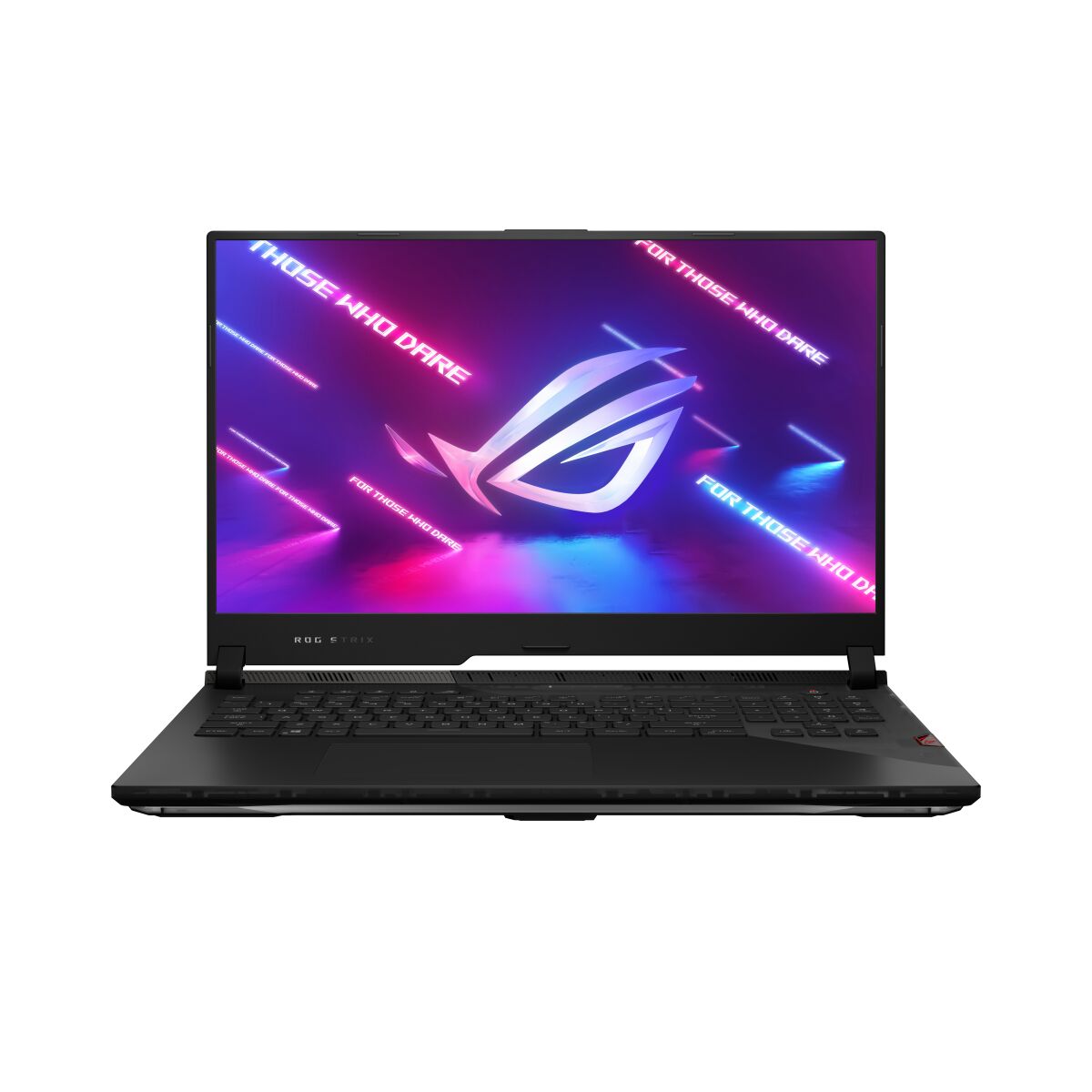


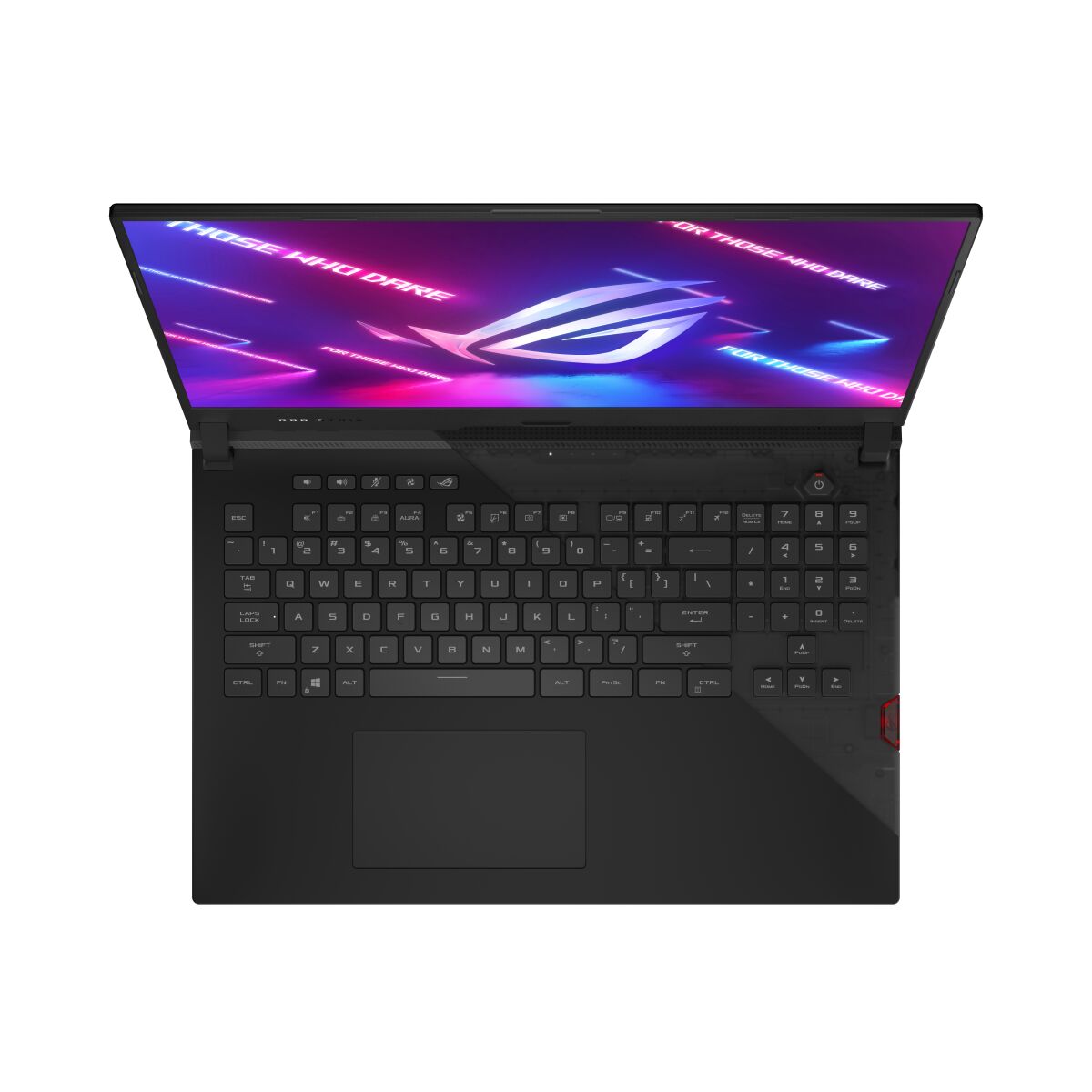
ASUS ROG Strix SCAR 17 G733QS-HG026T laptop features dual SO-DIMM slots supporting DDR4-SDRAM memory upgrades. Maximum RAM capacity reaches 64 GB total, with compatible memory operating at 3200 MHz frequency. Specifications indicate standard SO-DIMM form factor modules compatible with upgrade configurations. Two memory slots enable independent module installation for RAM expansion on the G733QS-HG026T model.
Memory Upgrade Specifications
| Specification | Value |
|---|---|
| Memory slots | 2x SO-DIMM |
| Form factor | SO-DIMM |
| Memory type | DDR4-SDRAM |
| Frequency | 3200 MHz |
| Maximum RAM | 64 GB |
| Voltage | 1.2V |
| Number of pins | 260-pin |
| Interface | PC4 |
| PC Speed Rating | PC4-3200 (PC4-25600) |
| Bandwidth | 25.6 GB/s |
| Laptop Release date | 12 January 2021 |
Additional Notes
- The ASUS ROG G733QS-HG026T supports dual-channel memory architecture through its 2 SO-DIMM slots, enabling doubled theoretical bandwidth compared to single-channel configurations when matched modules are installed.
- The 64 GB maximum capacity requires 32 GB modules in both slots, which may command premium pricing compared to more common 16 GB density modules.
- DDR4-3200 represents the JEDEC standard speed for this generation, meaning modules rated higher than 3200 MHz will downclock to this frequency unless XMP profiles are supported and enabled in BIOS.
- SO-DIMM form factor limits thermal headroom compared to full-size DIMMs, potentially affecting sustained performance under heavy memory workloads in confined laptop chassis.
- Mixing modules with different speeds or timings will force all installed memory to operate at the lowest common denominator specifications.
- The absence of quad-channel support means bandwidth scaling plateaus after populating both available slots, regardless of total capacity installed.
- DDR4 voltage compatibility typically ranges between 1.2V and 1.35V, with higher voltage XMP profiles potentially voided under manufacturer warranty policies.
- Accessing SO-DIMM slots may require bottom panel removal, with potential seal breakage affecting warranty status depending on regional consumer protection laws.
- The 3200 MHz frequency provides approximately 25.6 GB/s theoretical bandwidth per channel, totaling 51.2 GB/s in dual-channel mode under ideal conditions.
- CAS latency specifications become critical at this frequency tier, with CL22 modules delivering approximately 13.75 nanoseconds true latency versus 12.5 nanoseconds for CL20 variants.
- ECC memory modules are incompatible with this consumer-grade platform, limiting error correction to standard parity checking only.
- Unmatched module pairing may trigger flex mode operation, where only the overlapping capacity runs in dual-channel while excess capacity reverts to single-channel bandwidth.