ASUS ROG GL704GM-EV013T RAM upgrade specifications
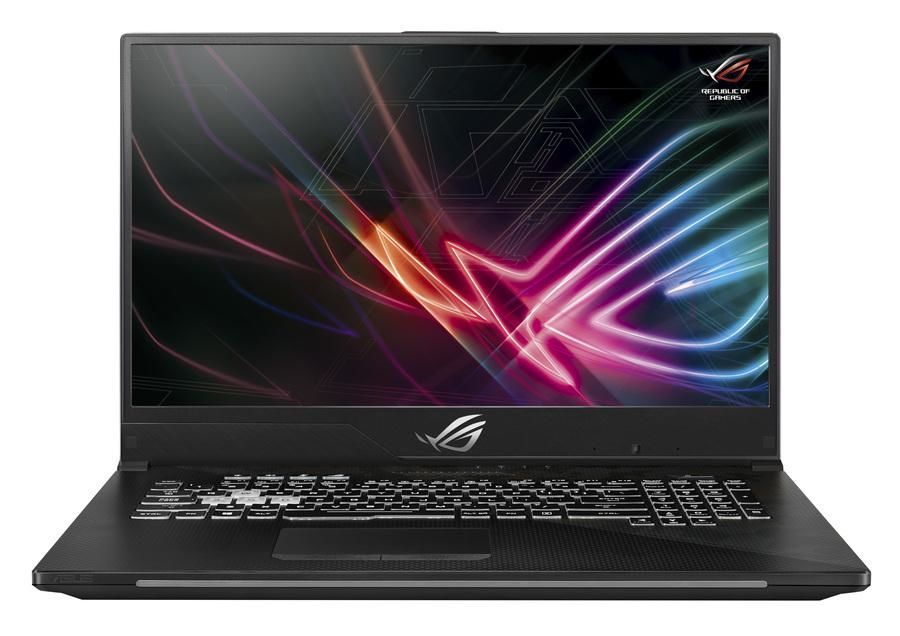
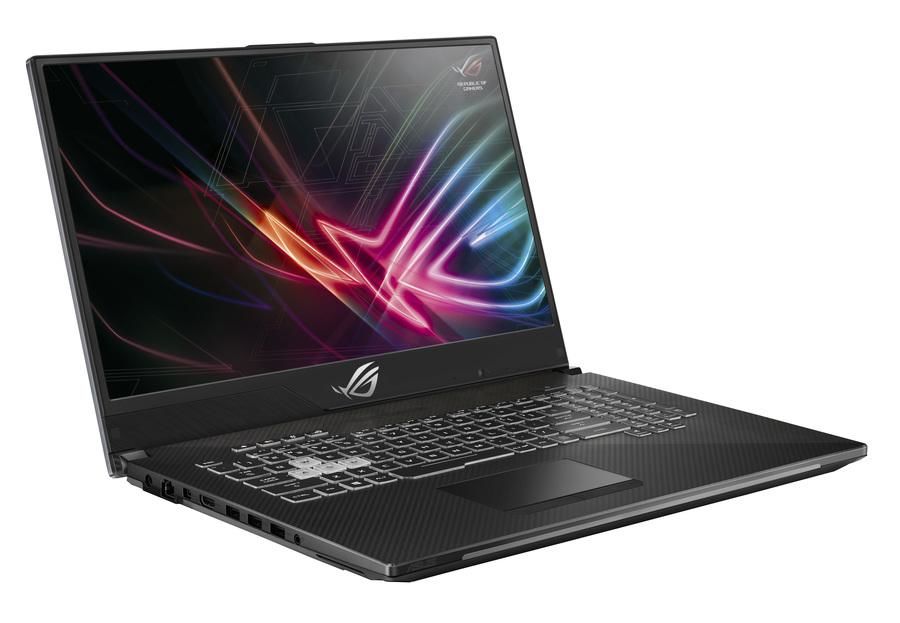
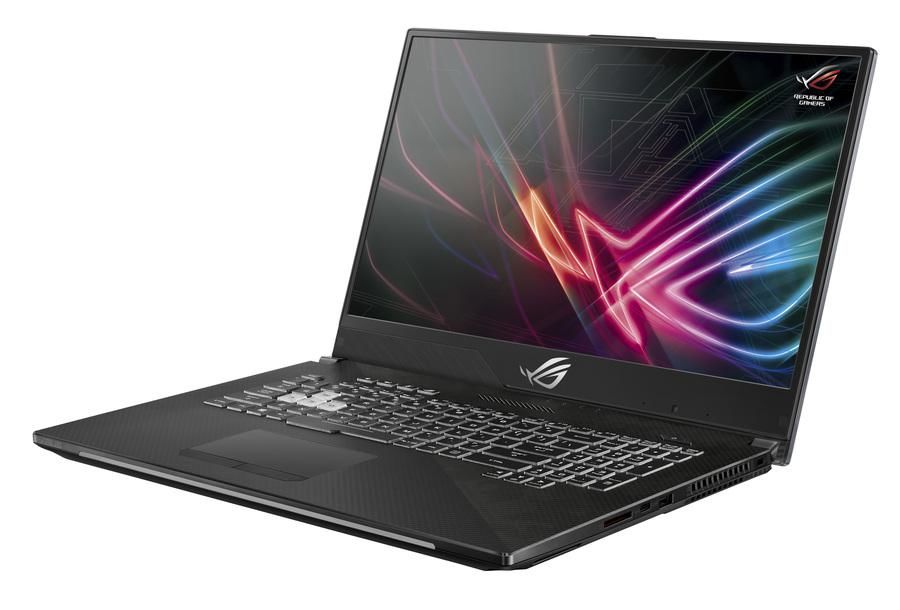
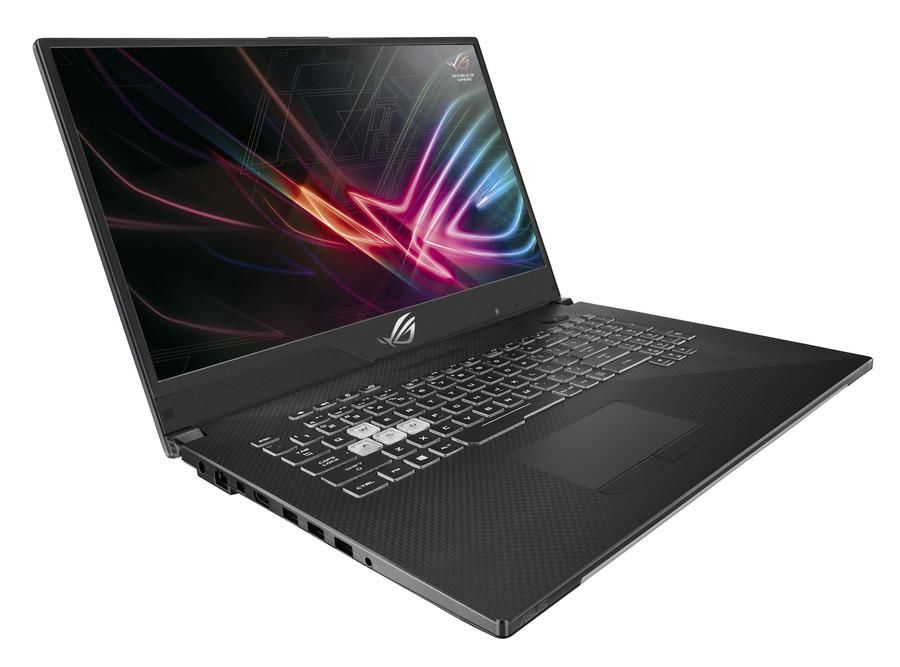
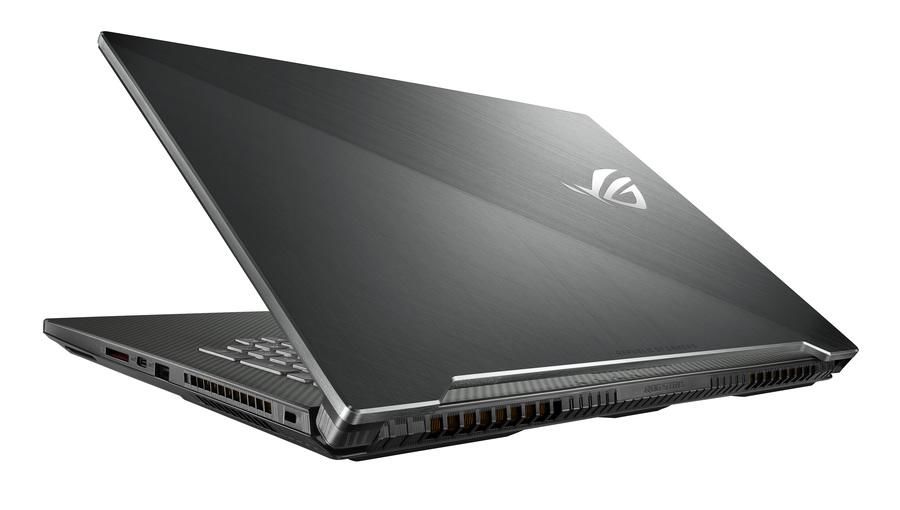
The ASUS ROG Strix GL704GM-EV013T laptop features DDR4-SDRAM memory upgrade specifications with two SO-DIMM slots supporting maximum capacity of 32 GB total RAM. Compatible memory modules operate at 2666 MHz frequency. This gaming laptop's memory upgrade slots accommodate standard SO-DIMM form factor modules, enabling users to expand the system's RAM capacity for enhanced multitasking and performance capabilities.
Memory Upgrade Specifications
| Specification | Value |
|---|---|
| Memory slots | 2x SO-DIMM |
| Form factor | SO-DIMM |
| Memory type | DDR4-SDRAM |
| Frequency | 2666 MHz |
| Maximum RAM | 32 GB |
| Voltage | 1.2V |
| Number of pins | 260-pin |
| Interface | PC4 |
| PC Speed Rating | PC4-2666 (PC4-21328) |
| Bandwidth | 21.3 GB/s |
| Laptop Release date | 12 September 2018 |
Additional Notes
- The ASUS ROG GL704GM-EV013T supports a maximum memory configuration of 32 GB through dual 16 GB modules, as the 2 SO-DIMM slots impose a physical limit on expansion beyond this capacity.
- The 2666 MHz frequency indicates compatibility with DDR4-2666 modules, though higher-rated modules will operate at this baseline speed due to chipset and processor limitations.
- Mixing memory modules with different specifications may force the system to operate all modules at the speed and timings of the slowest installed module, potentially degrading performance.
- SO-DIMM form factor restricts upgrade options to laptop-specific modules, which typically carry a price premium compared to desktop DIMM equivalents with identical specifications.
- The dual-channel memory architecture requires matched pairs of modules in both slots to achieve optimal bandwidth, as single-module configurations will operate in reduced-bandwidth single-channel mode.
- Access to the memory slots typically requires bottom panel removal, and users should verify whether the warranty seal placement permits user-serviceable upgrades without voiding coverage.
- The 2666 MHz specification represents JEDEC standard DDR4 speeds, offering compatibility with a wide range of manufacturers but limiting access to higher-performance XMP profiles common in desktop platforms.
- Thermal constraints within the laptop chassis may affect sustained memory performance under heavy workloads, particularly when fully populated with high-density modules.
- Memory timing variations between different module manufacturers can introduce stability issues, making matched kit purchases preferable to individual module acquisitions.