ASUS ROG GL704GM-EV015T RAM upgrade specifications
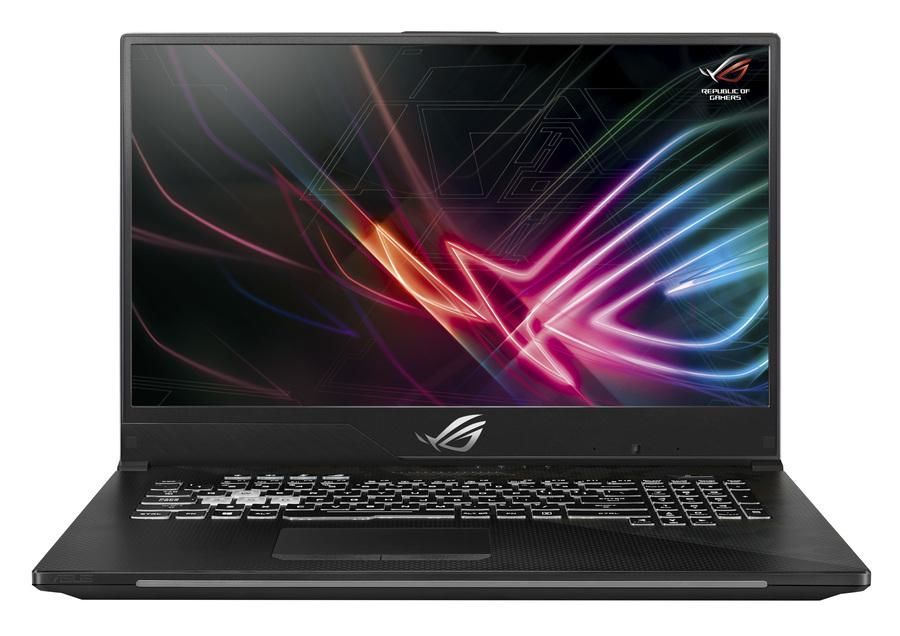
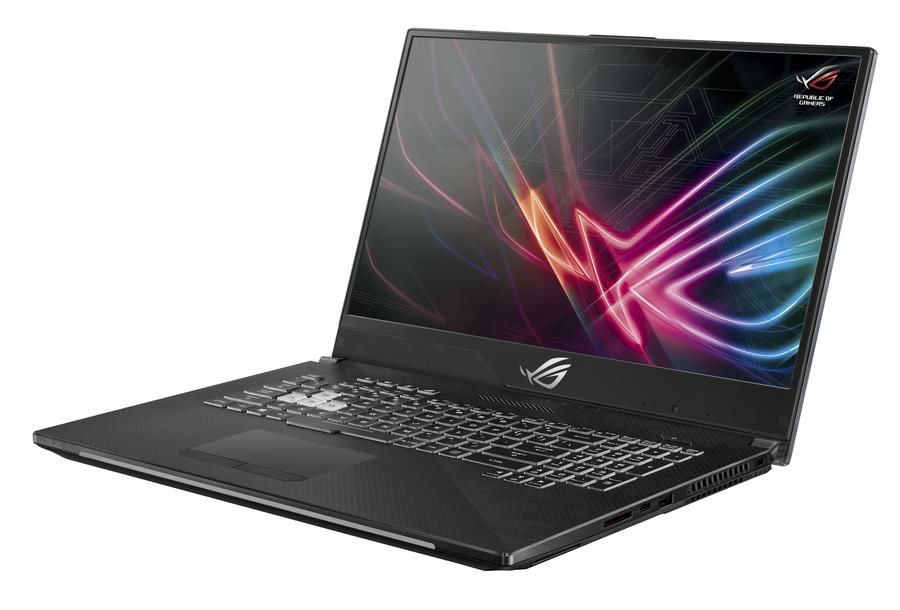
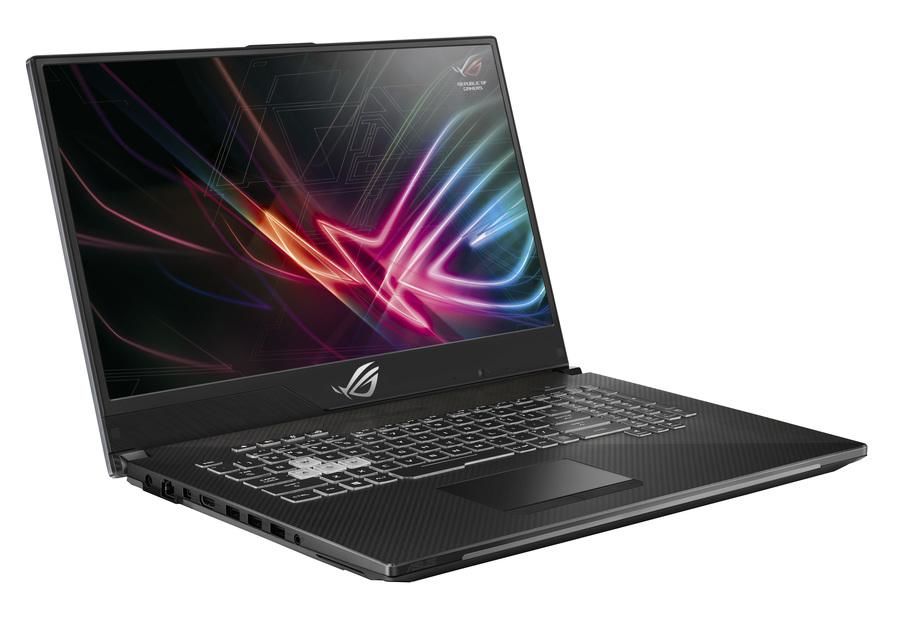
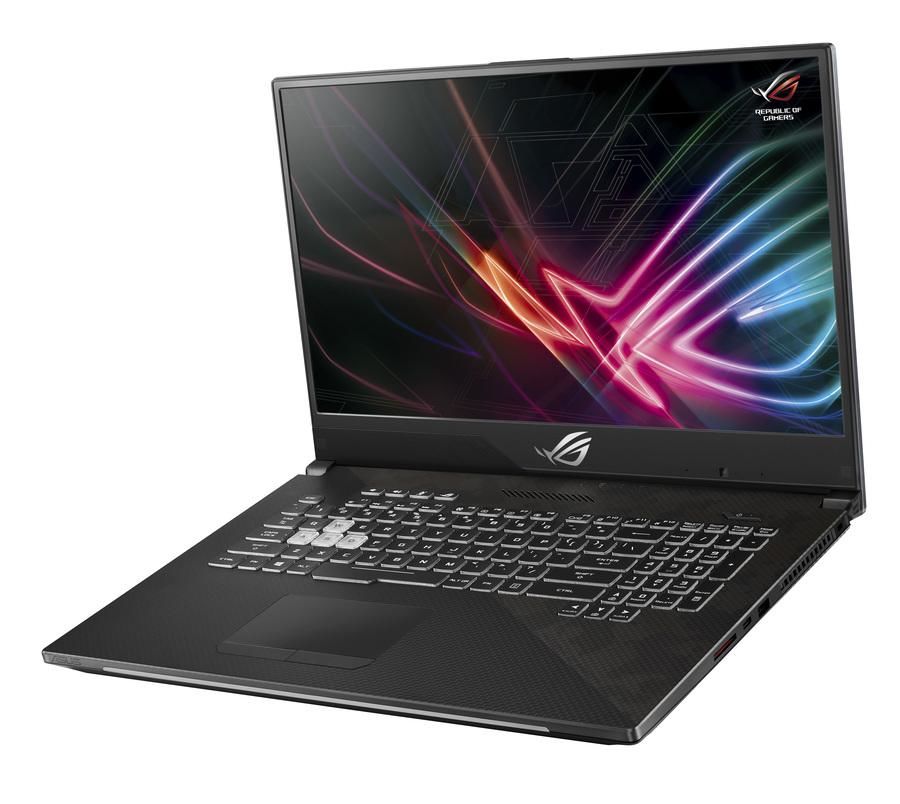

ASUS ROG Strix GL704GM-EV015T laptop features DDR4-SDRAM memory upgrade specifications with two SO-DIMM slots supporting maximum capacity of 32 GB. Compatible memory modules operate at 2666 MHz frequency. Current memory upgrade slots accommodate SO-DIMM form factor modules, enabling system expansion up to the maximum RAM specifications supported by the gaming laptop platform.
Memory Upgrade Specifications
| Specification | Value |
|---|---|
| Memory slots | 2x SO-DIMM |
| Form factor | SO-DIMM |
| Memory type | DDR4-SDRAM |
| Frequency | 2666 MHz |
| Maximum RAM | 32 GB |
| Voltage | 1.2V |
| Number of pins | 260-pin |
| Interface | PC4 |
| PC Speed Rating | PC4-2666 (PC4-21328) |
| Bandwidth | 21.3 GB/s |
| Laptop Release date | 24 October 2018 |
Additional Notes
- The ASUS ROG GL704GM-EV015T accepts only laptop-sized SO-DIMM modules, preventing the use of standard desktop DIMM memory sticks due to physical form factor incompatibility.
- DDR4-2666 represents the maximum supported frequency, meaning faster modules rated at 2933 MHz or 3200 MHz will downclock automatically to 2666 MHz if installed.
- The 32 GB ceiling implies a maximum of 16 GB per slot when both SO-DIMM sockets are populated, as single 32 GB modules exceed the controller's addressing capability.
- Dual-channel architecture requires matched pairs of identical capacity modules to achieve maximum memory bandwidth, otherwise the system operates in single-channel mode with reduced throughput.
- Non-ECC unbuffered modules are required, as registered or error-correcting memory types will cause POST failures or prevent boot sequences.
- Mixing different frequency modules forces all installed memory to operate at the speed of the slowest module present in the system.
- Installing mismatched voltage specifications, particularly mixing 1.2V standard DDR4 with 1.35V low-voltage variants, may trigger stability issues or hardware protection shutdowns.
- The 2666 MHz specification indicates JEDEC standard timing rather than XMP profiles, meaning overclocked gaming memory kits will not achieve their advertised performance levels.
- Accessing both SO-DIMM slots typically requires bottom panel removal, with potential warranty implications depending on regional seal placement and consumer protection regulations.
- Single-rank versus dual-rank module architecture affects compatibility with the maximum 32 GB configuration, as some chipsets exhibit density limitations with dual-rank configurations.