ASUS ROG GL704GW-EV022T RAM upgrade specifications
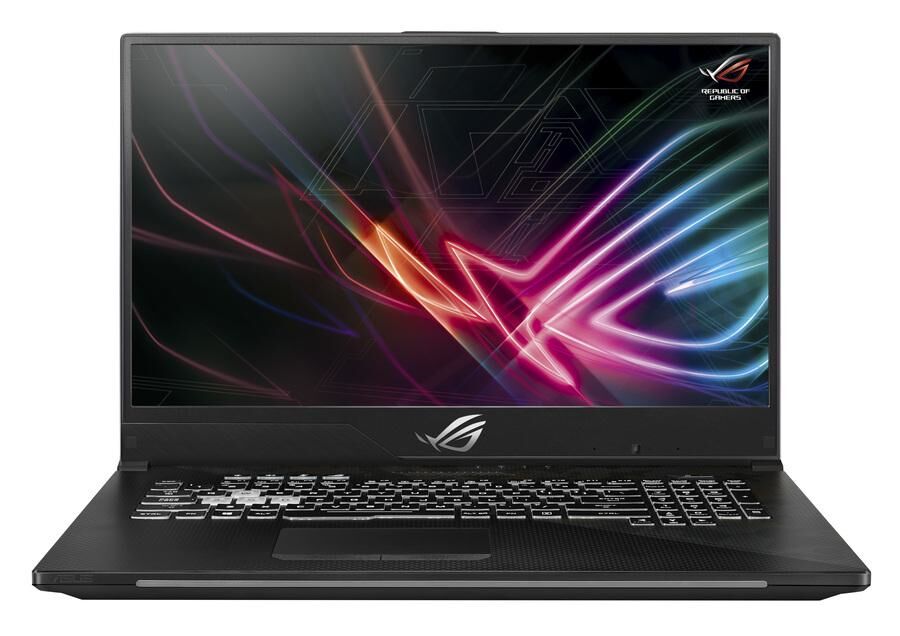



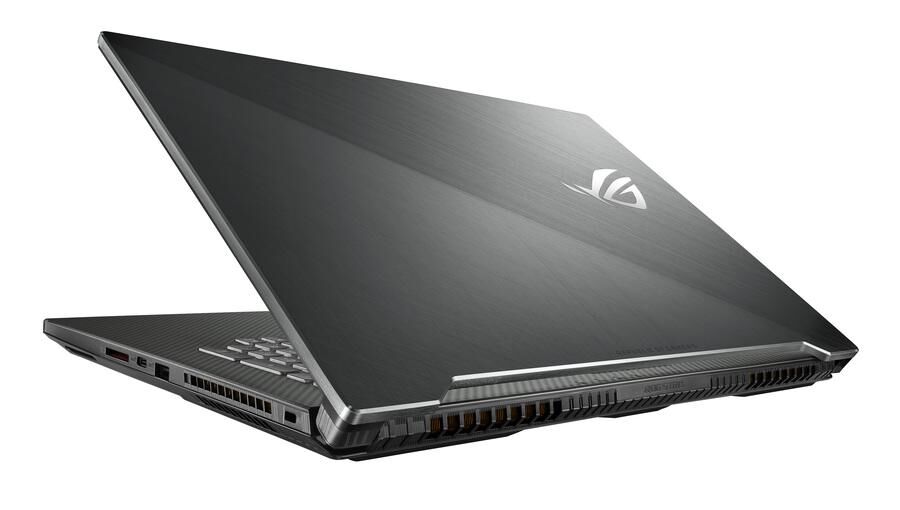
The ASUS ROG Strix GL704GW-EV022T gaming laptop features DDR4-SDRAM memory upgrades with two SO-DIMM slots supporting maximum capacity of 32 GB total. Compatible RAM operates at 2666 MHz frequency. The upgrade specifications enable expansion from factory-installed memory configurations to the full 32 GB maximum supported capacity using standard SO-DIMM form factor modules.
Memory Upgrade Specifications
| Specification | Value |
|---|---|
| Memory slots | 2x SO-DIMM |
| Form factor | SO-DIMM |
| Memory type | DDR4-SDRAM |
| Frequency | 2666 MHz |
| Maximum RAM | 32 GB |
| Voltage | 1.2V |
| Number of pins | 260-pin |
| Interface | PC4 |
| PC Speed Rating | PC4-2666 (PC4-21328) |
| Bandwidth | 21.3 GB/s |
| Laptop Release date | 13 January 2019 |
Additional Notes
- The ASUS ROG GL704GW-EV022T accepts only SO-DIMM modules, which excludes standard desktop DIMM memory despite both using DDR4 technology.
- The 32 GB ceiling requires 2 modules of 16 GB each, as exceeding this capacity will prevent the system from booting or cause the BIOS to reject the installed memory.
- The 2666 MHz specification represents the maximum validated frequency, meaning modules rated at 3200 MHz or higher will be downclocked to 2666 MHz during operation.
- Both memory slots must be populated with identical frequency modules to maintain dual-channel bandwidth, as mismatched speeds force all modules to operate at the lowest common frequency.
- Single-sided SO-DIMM modules may be required in cases where thick dual-sided modules interfere with the keyboard assembly or thermal cooling components above the memory bay.
- Non-ECC unbuffered modules are the only compatible type, as ECC or registered memory will either fail POST diagnostics or operate in degraded single-channel mode.
- The memory controller voltage is locked at 1.2V standard for DDR4, preventing the use of low-voltage 1.35V modules designed for older DDR3L systems.
- Accessing the memory compartment typically requires removing the entire bottom panel rather than a dedicated service door, which may affect warranty status depending on regional support policies.
- Installing modules with differing CAS latencies will default all memory to the higher latency value, potentially reducing performance in latency-sensitive applications.
- The chipset does not support Intel XMP or overclocking profiles, so advertised speeds beyond 2666 MHz offer no performance benefit in this platform.