ASUS ROG GL704GW-EV045T RAM upgrade specifications
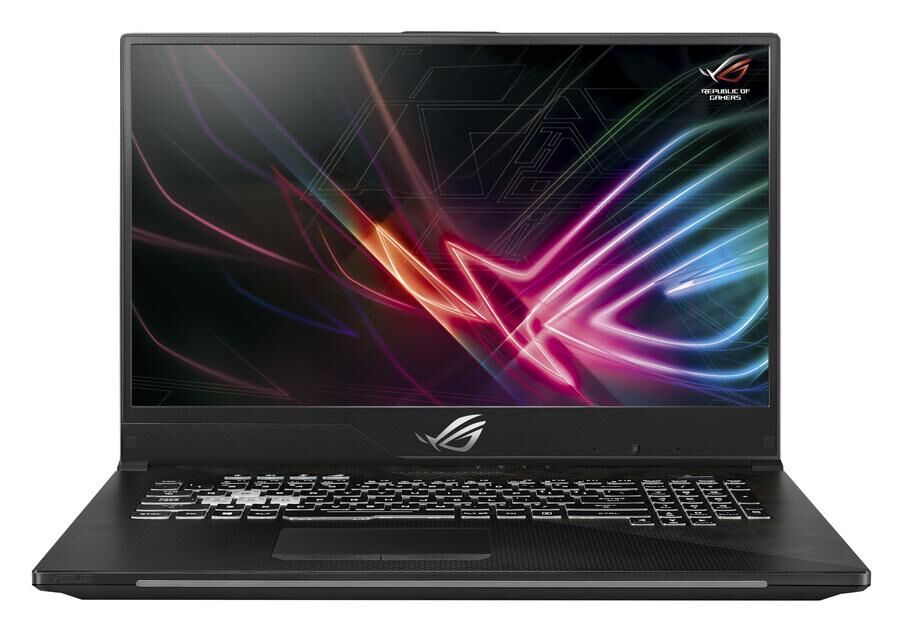

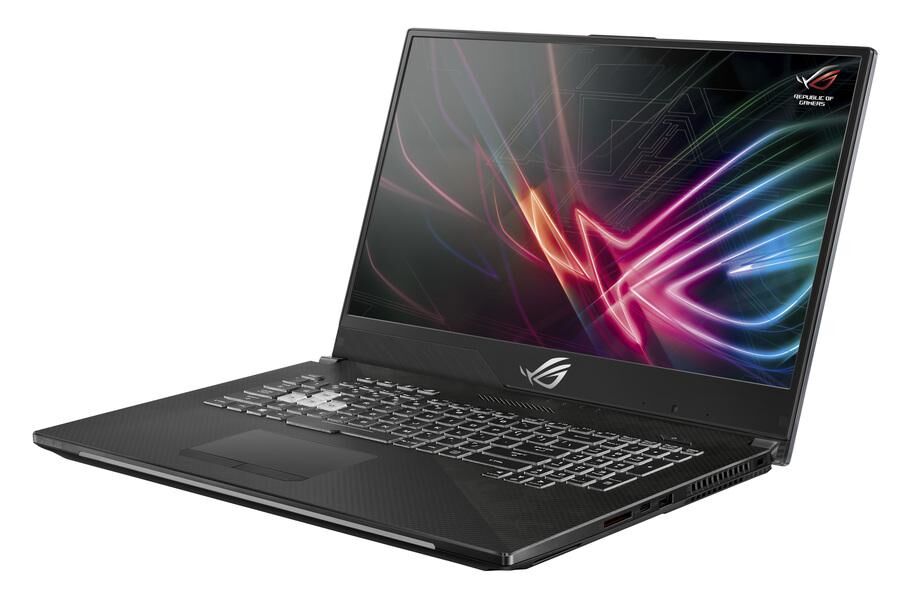

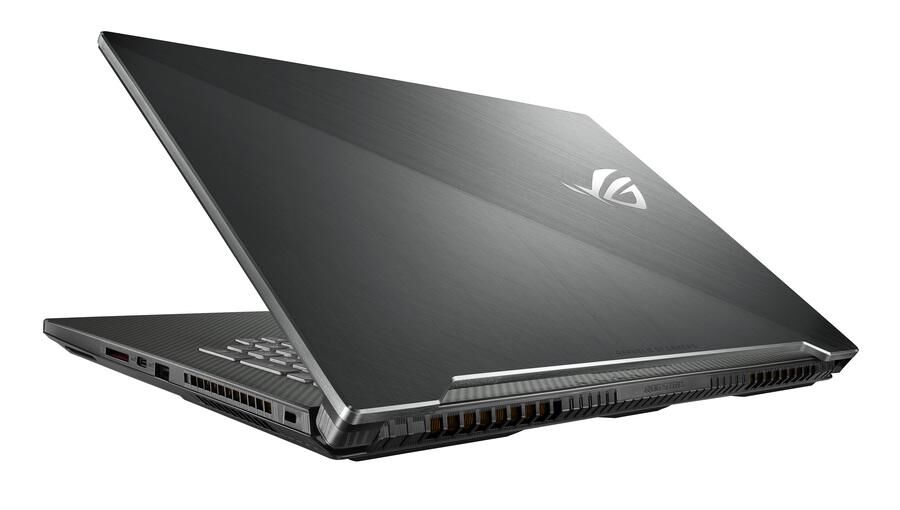
ASUS ROG Strix GL704GW-EV045T laptop features DDR4-SDRAM memory configuration with two SO-DIMM slots supporting maximum capacity of 32 GB total RAM. Memory upgrade specifications indicate compatible DDR4 modules operating at 2666 MHz frequency. The gaming laptop model accommodates SO-DIMM form factor upgrades, enabling users to expand memory capacity by replacing or adding DDR4-SDRAM modules in available slots for enhanced system performance and multitasking capabilities.
Memory Upgrade Specifications
| Specification | Value |
|---|---|
| Memory slots | 2x SO-DIMM |
| Form factor | SO-DIMM |
| Memory type | DDR4-SDRAM |
| Frequency | 2666 MHz |
| Maximum RAM | 32 GB |
| Voltage | 1.2V |
| Number of pins | 260-pin |
| Interface | PC4 |
| PC Speed Rating | PC4-2666 (PC4-21328) |
| Bandwidth | 21.3 GB/s |
| Laptop Release date | 22 May 2019 |
Additional Notes
- The ASUS ROG GL704GW-EV045T accepts only SO-DIMM modules, making standard desktop DIMM memory physically incompatible regardless of specifications.
- The 32 GB maximum capacity enforces a 16 GB per slot ceiling, preventing the installation of individual 32 GB modules even when dual-slot configuration remains available.
- DDR4-2666 represents the validated frequency ceiling, meaning higher-rated modules at 3000 MHz or 3200 MHz will downclock to 2666 MHz operation.
- The 2-slot configuration requires both modules to match in rank organization and density to avoid potential asymmetric dual-channel instability.
- SO-DIMM installation requires verification of module height clearance against bottom panel chassis depth before purchase, as low-profile specifications do not apply to laptop form factors.
- Non-ECC unbuffered DDR4 remains the only compatible architecture, as registered or load-reduced modules will fail POST initialization.
- Mixing DDR4-2400 with DDR4-2666 modules forces both to operate at the lower 2400 MHz frequency, reducing effective memory bandwidth by approximately 10 percent.
- Warranty preservation depends on using Jedec-standard voltage modules at 1.2V, as XMP-profiled modules requiring 1.35V may fall outside service terms.
- Single-channel operation occurs when only one slot contains memory, halving theoretical bandwidth from 42.6 GB/s to 21.3 GB/s in GPU-integrated workloads.
- The chipset imposes latency floors independent of module CAS ratings, meaning premium CL15 modules provide negligible real-world advantage over CL19 at this frequency.