ASUS ROG GL704GW-EV047T RAM upgrade specifications
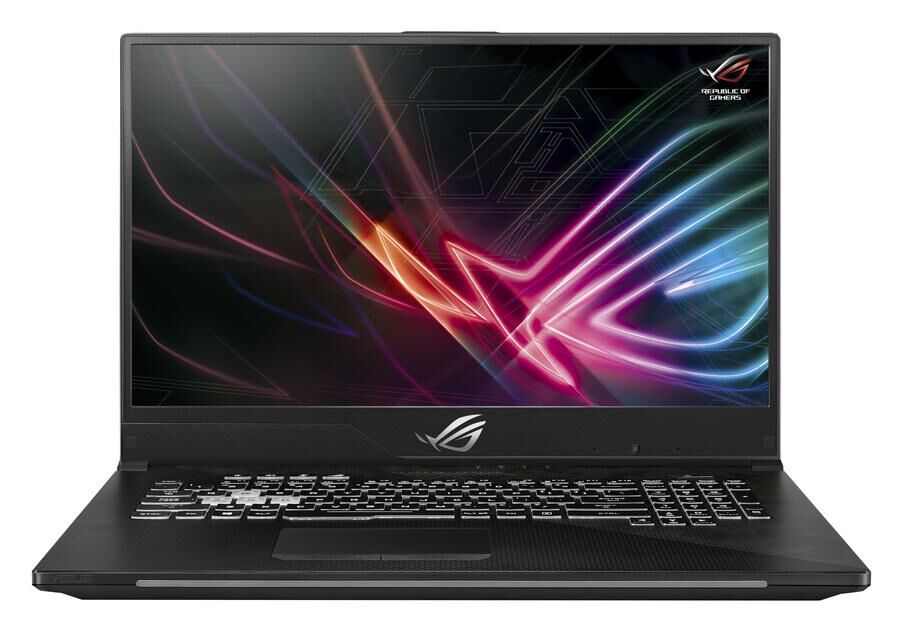

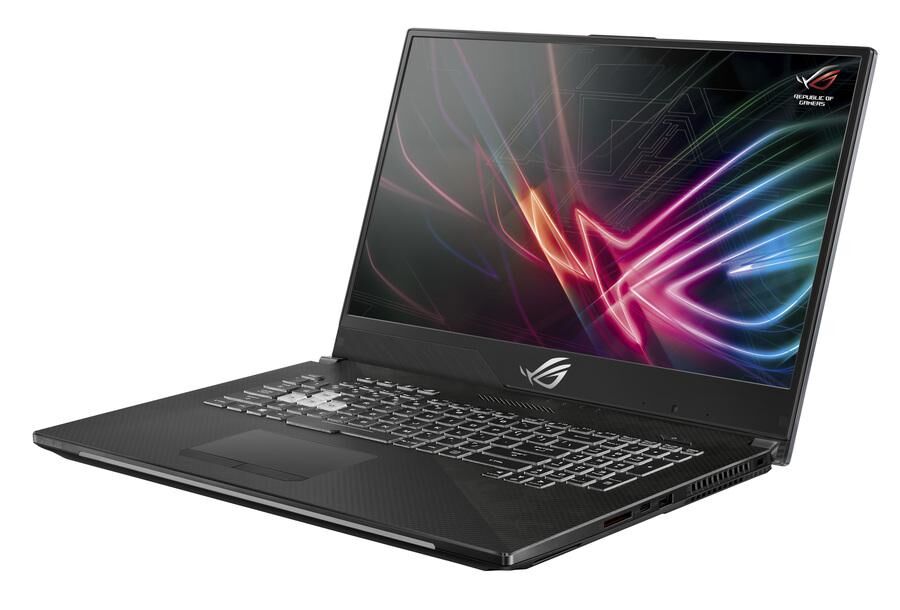

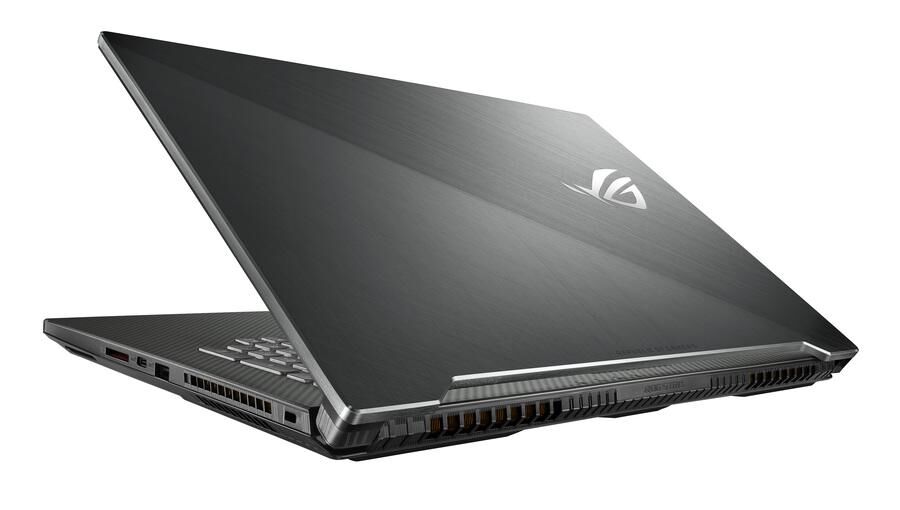
ASUS ROG Strix GL704GW-EV047T laptop features DDR4-SDRAM memory configuration with two SO-DIMM slots supporting maximum RAM capacity of 32 GB. Upgrade specifications include DDR4-2666 MHz frequency compatibility. Memory upgrade options are available for existing slots to enhance system performance. Current specifications accommodate standard SO-DIMM form factor modules. Maximum memory capacity specifications allow users to expand RAM configurations within compatible upgrade parameters. DDR4 memory technology provides performance benchmarks aligned with Strix series laptop requirements.
Memory Upgrade Specifications
| Specification | Value |
|---|---|
| Memory slots | 2x SO-DIMM |
| Form factor | SO-DIMM |
| Memory type | DDR4-SDRAM |
| Frequency | 2666 MHz |
| Maximum RAM | 32 GB |
| Voltage | 1.2V |
| Number of pins | 260-pin |
| Interface | PC4 |
| PC Speed Rating | PC4-2666 (PC4-21328) |
| Bandwidth | 21.3 GB/s |
| Laptop Release date | 10 September 2019 |
Additional Notes
- The ASUS ROG GL704GW-EV047T requires SO-DIMM modules rather than standard DIMM, which limits aftermarket options to laptop-specific memory kits typically priced higher than desktop equivalents.
- The 32 GB ceiling indicates chipset or BIOS restrictions that prevent recognition of higher-density modules, making 16 GB per slot the maximum viable configuration regardless of module availability.
- DDR4-2666 represents the validated speed threshold, meaning faster modules will downclock to 2666 MHz even if installed, offering no performance advantage over JEDEC-standard alternatives.
- Dual-channel configuration through both slots provides double the theoretical bandwidth compared to single-module installations, critical for GPU-intensive workloads where integrated graphics share system memory.
- Non-ECC unbuffered modules are implied by the SO-DIMM consumer designation, ruling out server-grade or workstation memory that could physically fit but fail POST initialization.
- Voltage compatibility defaults to 1.2V standard for DDR4, though mixing modules with different voltage profiles may force the system to higher voltages that increase thermal output in confined laptop chassis.
- Single-rank versus dual-rank module architecture affects interleaving efficiency, with mismatched configurations potentially reducing effective bandwidth despite identical advertised speeds.
- The 2-slot limitation means capacity upgrades require complete replacement of existing modules rather than incremental additions, increasing upfront costs for meaningful improvements.
- JEDEC timing standards at 2666 MHz typically specify CL19 latencies, though tighter CL17 or CL15 variants exist at premium pricing without guaranteed compatibility outside manufacturer validation.
- Warranty preservation typically requires avoiding module removal procedures that damage retention clips or leave visible handling marks on contact edges during installation attempts.