ASUS ROG GL753VE-GC088T-BE RAM upgrade specifications



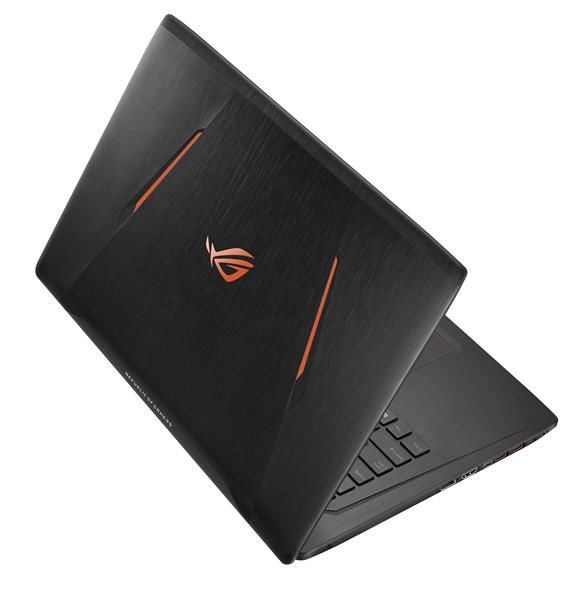

ASUS ROG Strix GL753VE-GC088T-BE laptop memory upgrade specifications: DDR4-SDRAM SO-DIMM slots with dual-slot configuration supporting maximum 32 GB total capacity. Compatible RAM operates at 1600 MHz frequency. Upgrade specifications indicate two SO-DIMM memory slots for RAM expansion, allowing for modular memory installation. Maximum supported memory configuration reaches 32 GB, providing significant upgrade capacity for enhanced multitasking and performance. Memory type specifications confirm DDR4-SDRAM compatibility for this gaming laptop model.
Memory Upgrade Specifications
| Specification | Value |
|---|---|
| Memory slots | 2x SO-DIMM |
| Form factor | SO-DIMM |
| Memory type | DDR4-SDRAM |
| Frequency | 1600 MHz |
| Maximum RAM | 32 GB |
| Voltage | 1.2V |
| Number of pins | 260-pin |
| Interface | PC4 |
| PC Speed Rating | PC4-1600 (PC4-12800) |
| Bandwidth | 12.8 GB/s |
| Laptop Release date | 07 October 2017 |
Additional Notes
- The motherboard chipset enforces a 32 GB ceiling across both slots, limiting single-slot configurations to 16 GB modules regardless of higher-capacity module availability.
- SO-DIMM form factor restricts compatibility to laptop-specific modules, as desktop DIMM modules are physically incompatible with the smaller 260-pin socket.
- DDR4-2400 modules will downclock to 1600 MHz when installed, as the memory controller locks frequency to the lower specification despite module capabilities.
- The 2-slot configuration requires matched pairs for optimal dual-channel operation, as mismatched capacity or speed configurations may force single-channel mode with halved bandwidth.
- Seventh-generation Intel Core processors in this chassis typically support DDR4-2133 and DDR4-2400 natively, suggesting the 1600 MHz specification may be a data error or JEDEC fallback speed rather than maximum supported frequency.
- Warranty preservation typically requires non-destructive installation, meaning the bottom panel removal process must avoid seal breakage or screw stripping that indicates unauthorized access.
- Mixing modules from different manufacturers or production batches increases POST failure risk even when specifications match, as timing subtables and voltage tolerances vary between vendors.
- The absence of ECC support in consumer ROG platforms means error-correcting modules will either fail to initialize or operate in non-ECC mode without memory protection benefits.
- Heat dissipation in gaming laptops operating at sustained loads may cause thermal throttling if modules lack adequate heat spreaders, particularly when both slots are populated at maximum capacity.
- BIOS updates may alter memory compatibility and training algorithms, requiring firmware verification before installing higher-density or faster-rated modules than factory configuration.