ASUS ROG GL753VE-GC095T RAM upgrade specifications


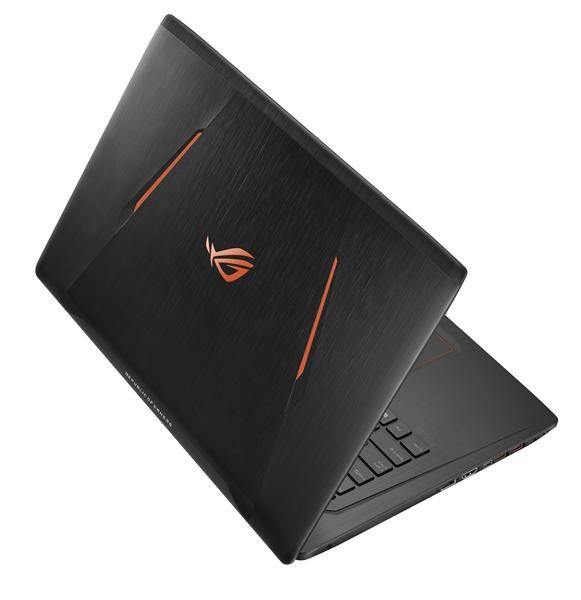

ASUS ROG Strix GL753VE-GC095T laptop supports DDR4-SDRAM memory upgrades via 2x SO-DIMM slots. Maximum RAM capacity reaches 32 GB total. Compatible memory operates at 2133 MHz frequency. Current specifications detail SO-DIMM form factor modules for this gaming laptop upgrade configuration. Memory upgrade slots allow for expansion of system RAM on the GL753VE-GC095T model within maximum specifications.
Memory Upgrade Specifications
| Specification | Value |
|---|---|
| Memory slots | 2x SO-DIMM |
| Form factor | SO-DIMM |
| Memory type | DDR4-SDRAM |
| Frequency | 2133 MHz |
| Maximum RAM | 32 GB |
| Voltage | 1.2V |
| Number of pins | 260-pin |
| Interface | PC4 |
| PC Speed Rating | PC4-2133 (PC4-17064) |
| Bandwidth | 17.1 GB/s |
| Laptop Release date | 18 August 2017 |
Additional Notes
- The 2x SO-DIMM slot configuration permits dual-channel memory operation only when both slots are populated, which doubles effective bandwidth compared to single-slot usage and is mandatory for optimal gaming performance on this platform.
- DDR4-2133 MHz represents the native JEDEC standard for this generation, meaning third-party DDR4 modules rated at faster speeds (2400, 2666, 3200 MHz) will downclock to 2133 MHz unless BIOS overclocking is manually enabled, negating any speed premium paid.
- The 32 GB maximum capacity ceiling restricts future upgrade paths; total RAM expansion beyond 32 GB requires complete module replacement rather than additive upgrades.
- SO-DIMM form factor creates physical depth constraints within the chassis; certain heatspreader designs or tall memory modules with integrated heat management may contact internal components or the bottom chassis panel during installation.
- Upgrading from factory configuration to 32 GB typically requires replacing both original SO-DIMMs rather than adding a single module, as single-slot upgrades eliminate dual-channel performance gains unless the stock configuration already uses both slots at symmetric capacity.
- DDR4-2133 bandwidth limitation (approximately 34 GB/s per channel) may create secondary bottlenecks during high-resolution gaming or 4K video export workflows, despite the GTX 1050 Ti GPU not saturating available memory bandwidth under typical conditions.