ASUS ROG GA402RJ-L4115K RAM upgrade specifications
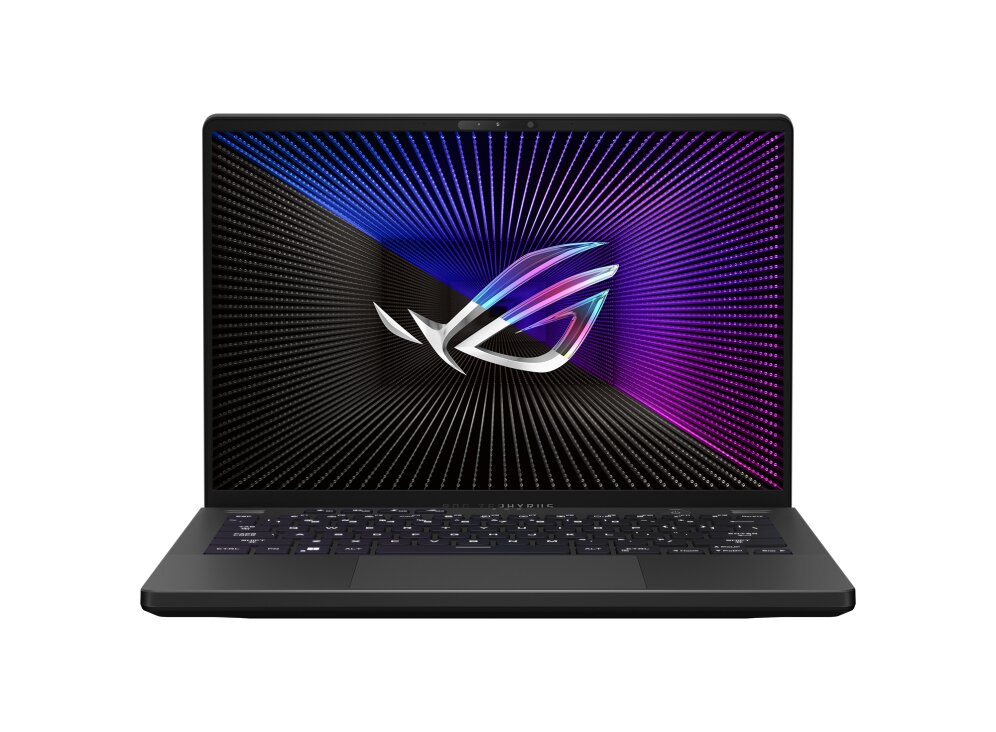
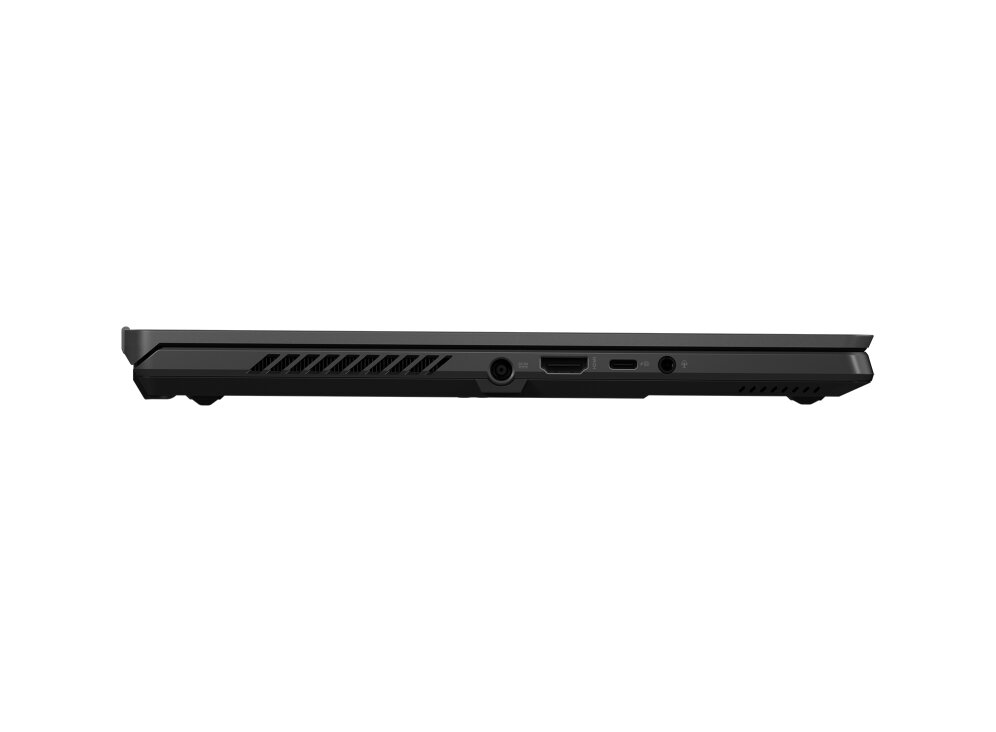
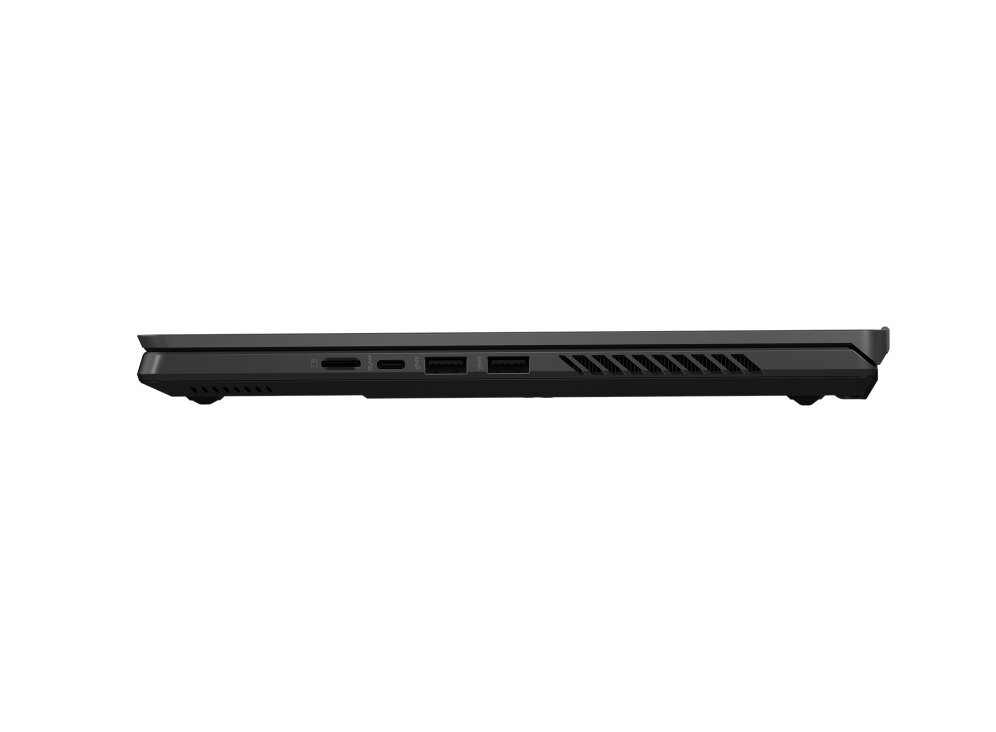
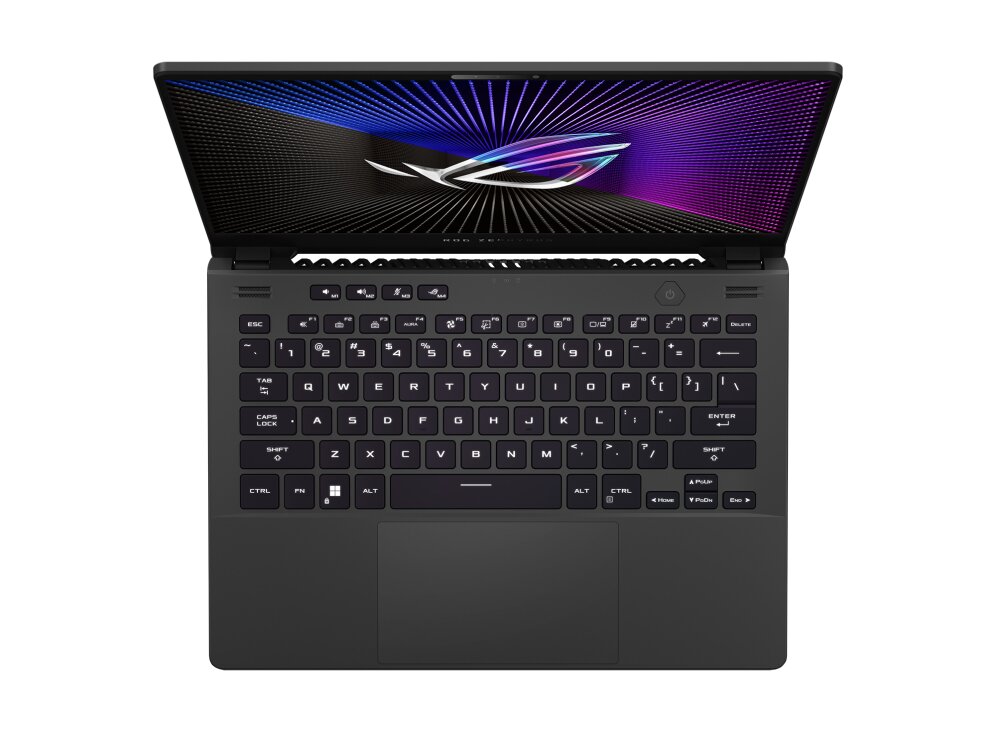
ASUS ROG Zephyrus G GA402RJ-L4115K laptop supports DDR5-SDRAM memory upgrades. The system features two SO-DIMM slots with a maximum RAM capacity of 24 GB. Compatible memory modules operate at 4800 MHz frequency. Upgrade specifications allow for expansion using DDR5 SO-DIMM format modules. Current configuration supports enhanced multitasking and performance through compatible memory upgrades in the available slot configuration.
Memory Upgrade Specifications
| Specification | Value |
|---|---|
| Memory slots | 2x SO-DIMM |
| Form factor | SO-DIMM |
| Memory type | DDR5-SDRAM |
| Frequency | 4800 MHz |
| Maximum RAM | 24 GB |
| Voltage | 1.1V |
| Number of pins | 262-pin |
| Interface | PC5 |
| PC Speed Rating | PC5-4800 (PC5-38400) |
| Bandwidth | 38.4 GB/s |
Additional Notes
- The presence of 2 SO-DIMM slots in the ASUS ROG GA402RJ-L4115K indicates that the factory memory configuration likely utilizes a combination of one removable module and one soldered chip, restricting total capacity expansion.
- Operating at 4800 MHz requires DDR5 modules to maintain matching CAS latency timings to prevent the system from downclocking to lower stability profiles.
- The motherboard architecture imposes a 24 GB hardware ceiling, meaning any module installed in the open slot exceeding 16 GB will likely result in a failure to boot or unrecognized capacity.
- Installation of high density modules requires caution regarding physical thickness as the compact chassis design provides minimal vertical clearance for double-sided RAM components.
- Mixing memory modules with different integrated power management circuits can lead to voltage fluctuations and system instability during high demand tasks.
- The integrated memory controller will default to the speed of the slowest installed module, negating the benefits of higher frequency aftermarket upgrades.
- Maintaining dual channel bandwidth performance depends on matching the capacity of the soldered memory with the removable module, as asymmetrical configurations will trigger flex mode and reduce data throughput.