ASUS ROG GA502IV-PH96 RAM upgrade specifications
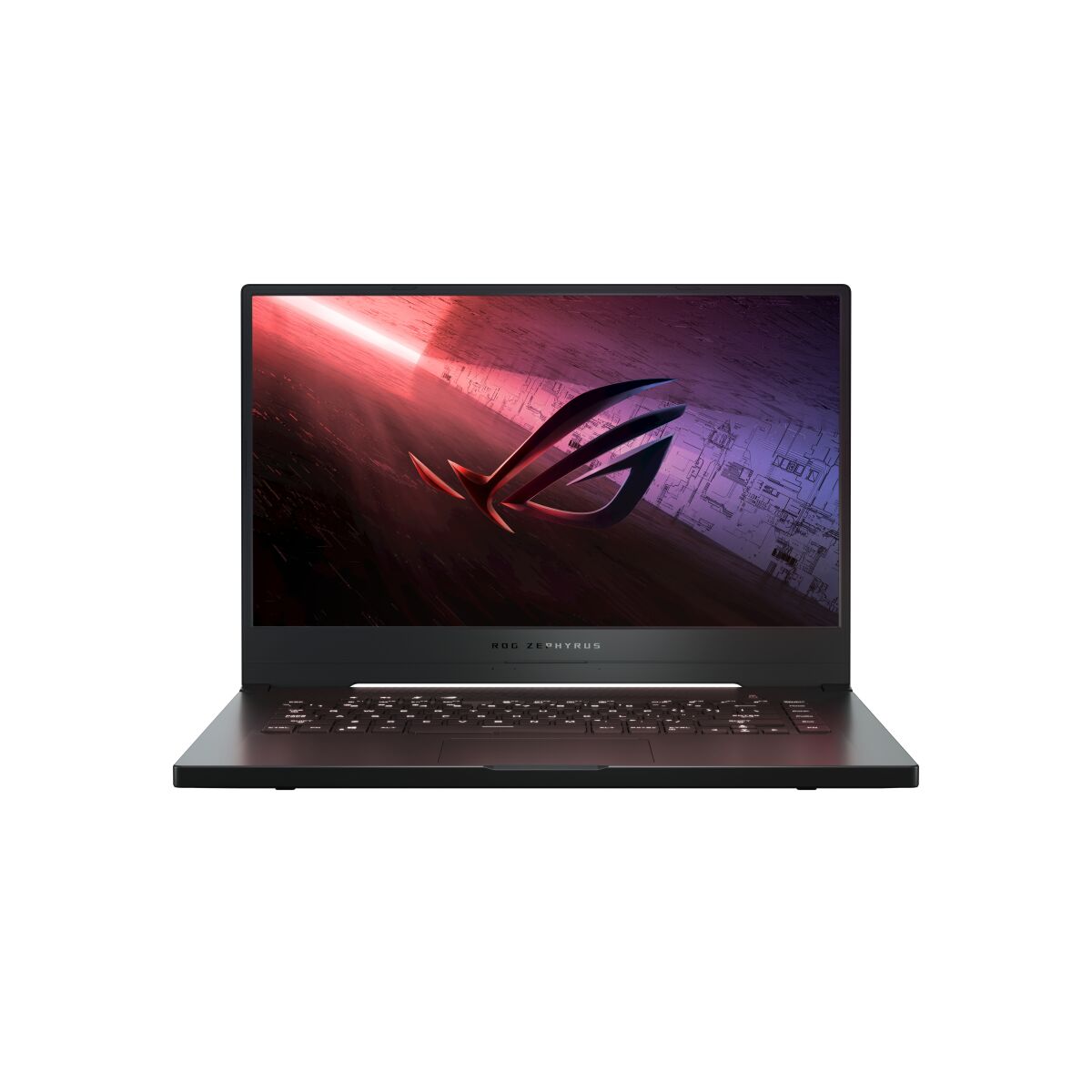
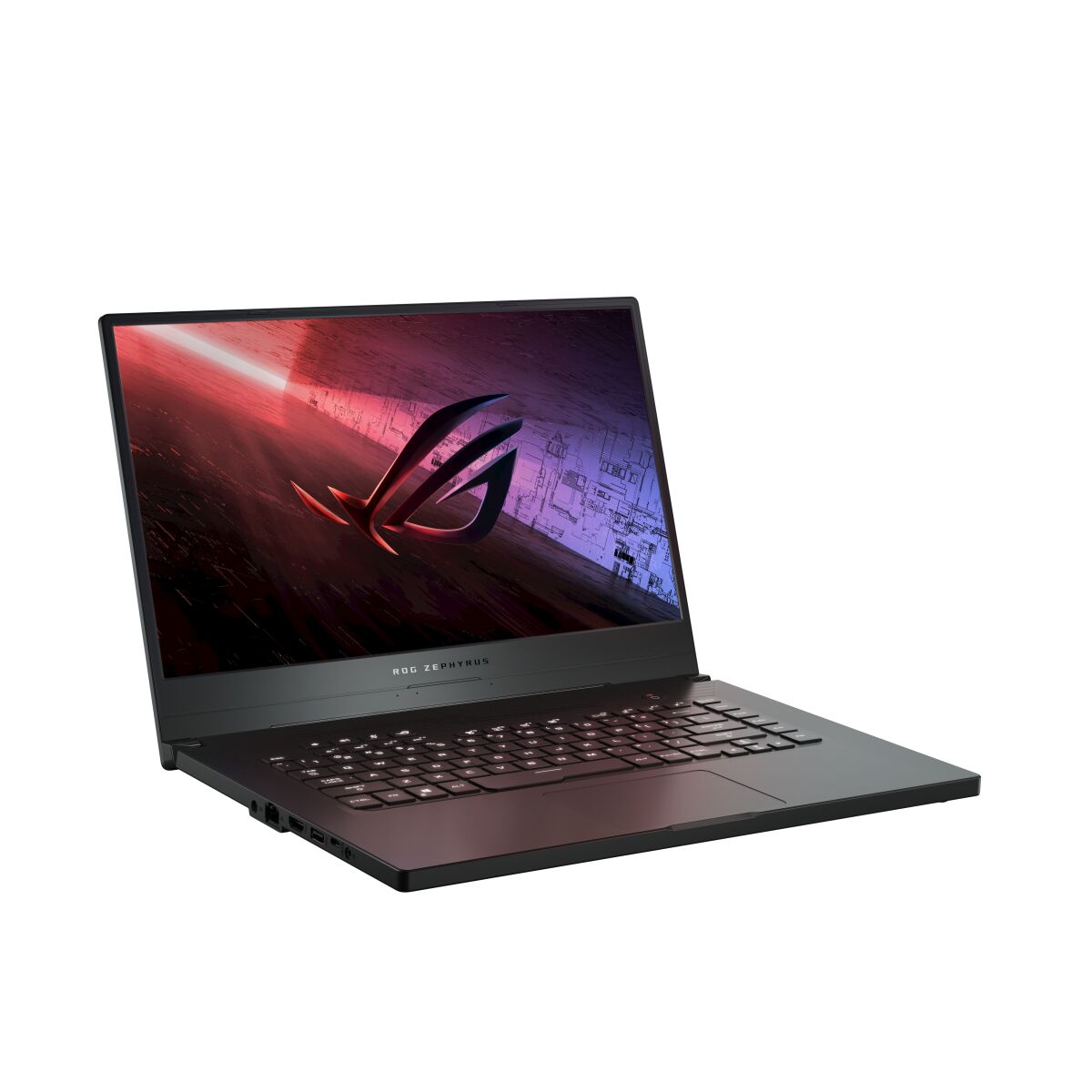
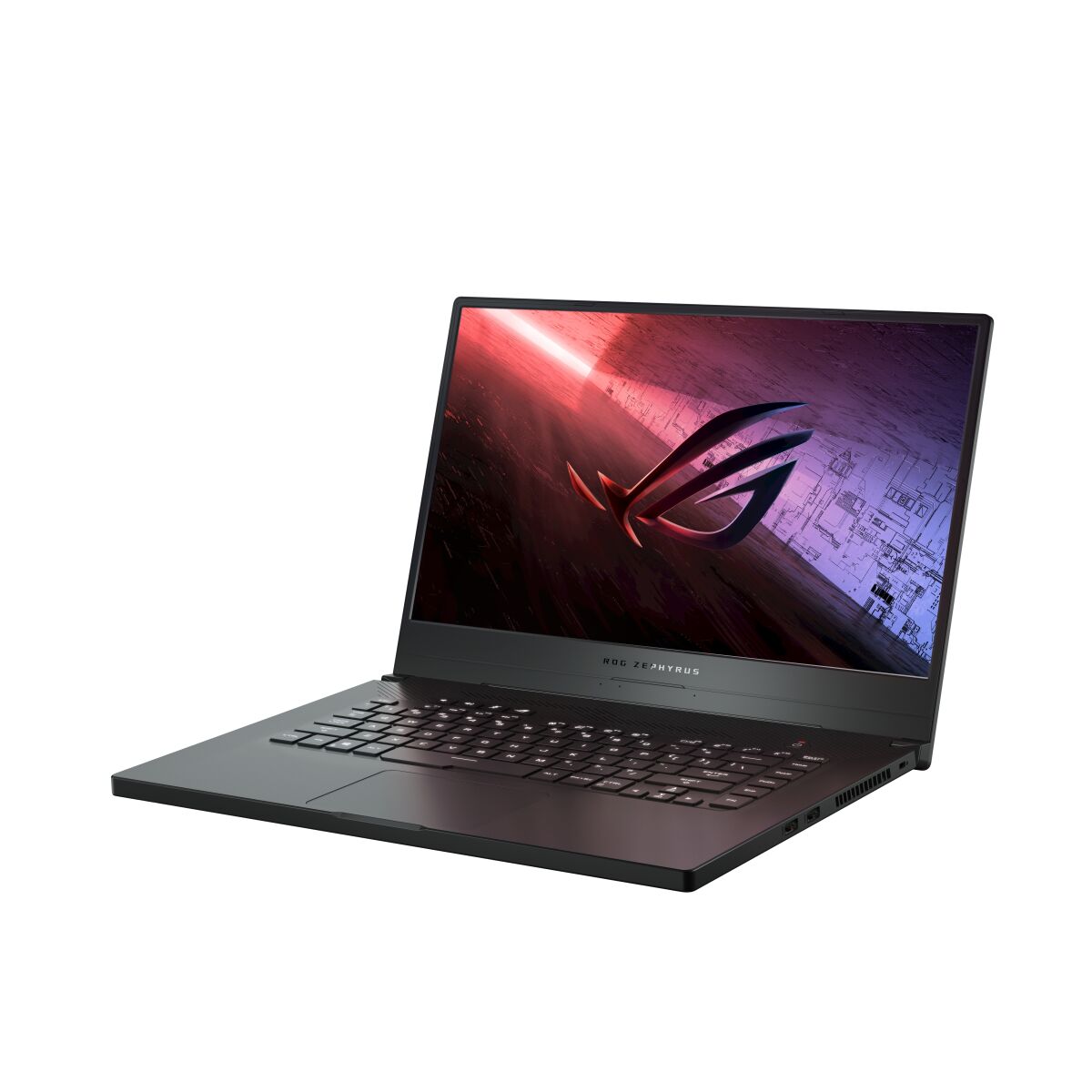
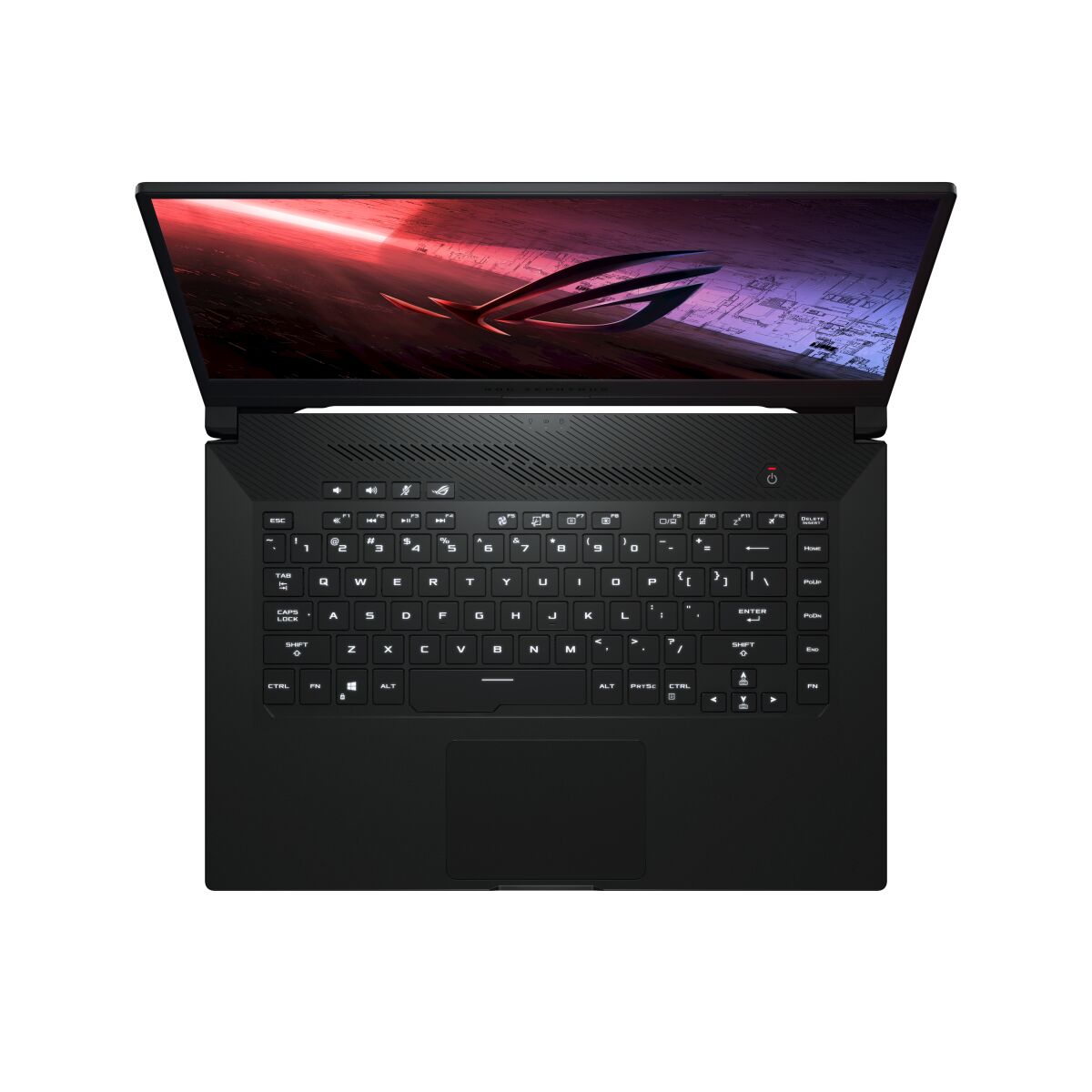
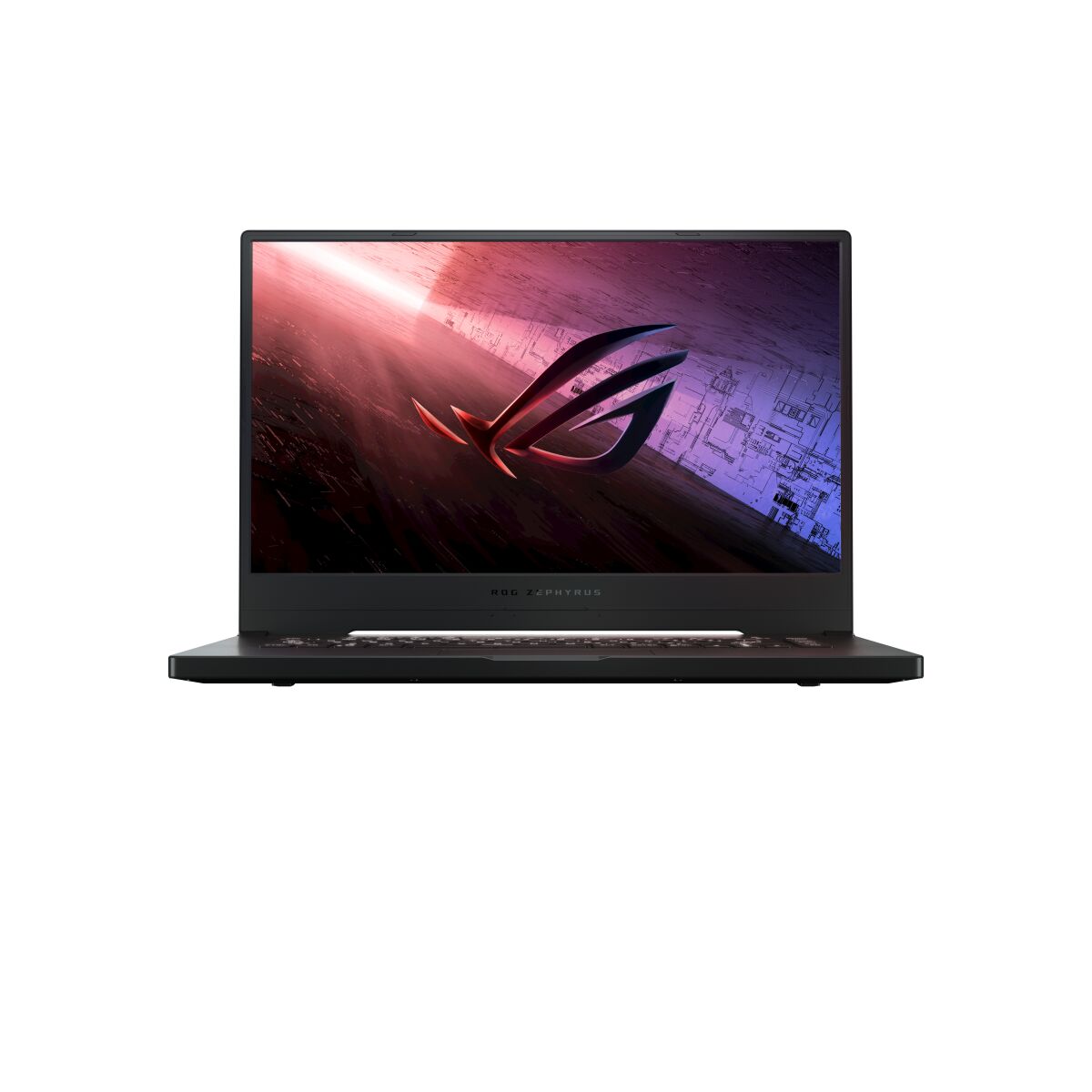
ASUS ROG Zephyrus G GA502IV-PH96 laptop features DDR4-SDRAM memory upgrade capabilities. The system contains one SO-DIMM slot for RAM expansion, with maximum supported capacity of 24 GB. Compatible memory modules operate at 3200 MHz frequency. The device combines on-board memory with one removable SO-DIMM slot, allowing users to upgrade existing RAM specifications. Specifications indicate upgrade potential through the available SO-DIMM slot to reach the maximum RAM capacity of 24 GB total.
Memory Upgrade Specifications
| Specification | Value |
|---|---|
| Memory slots | 1x SO-DIMM |
| Form factor | On-board + SO-DIMM |
| Memory type | DDR4-SDRAM |
| Frequency | 3200 MHz |
| Maximum RAM | 24 GB |
| Voltage | 1.2V |
| Number of pins | 260-pin |
| Interface | PC4 |
| PC Speed Rating | PC4-3200 (PC4-25600) |
| Bandwidth | 25.6 GB/s |
| Laptop Release date | 10 February 2021 |
Additional Notes
- The ASUS ROG GA502IV-PH96 combines soldered memory with a single expansion slot, creating an asymmetric dual-channel configuration when both are populated.
- The 24 GB maximum capacity indicates 8 GB is permanently soldered to the motherboard, leaving 16 GB as the ceiling for the SO-DIMM slot.
- Removing the factory SO-DIMM module results in single-channel operation from the onboard memory alone, reducing memory bandwidth by approximately 50 percent.
- DDR4-3200 requires matched frequency across both channels for optimal performance, though mixing speeds defaults all modules to the lowest common frequency.
- The hybrid memory architecture prevents future expansion beyond 24 GB regardless of module availability in higher capacities.
- SO-DIMM installation does not require motherboard removal, but warranty seals on the bottom panel may be present depending on region and purchase date.
- Non-identical capacity configurations between soldered and slotted memory still support dual-channel operation, though interleaving occurs only within the matched capacity range.
- The 3200 MHz specification represents JEDEC standard operation rather than overclocked profiles, ensuring compatibility without BIOS adjustments.
- Single-slot design eliminates the option for symmetric dual-channel configurations using two identical aftermarket modules.
- Heat dissipation depends partially on the onboard memory location, which shares thermal zones with CPU or GPU components in compact gaming chassis designs.