ASUS ROG GU604VI-NM049W RAM upgrade specifications

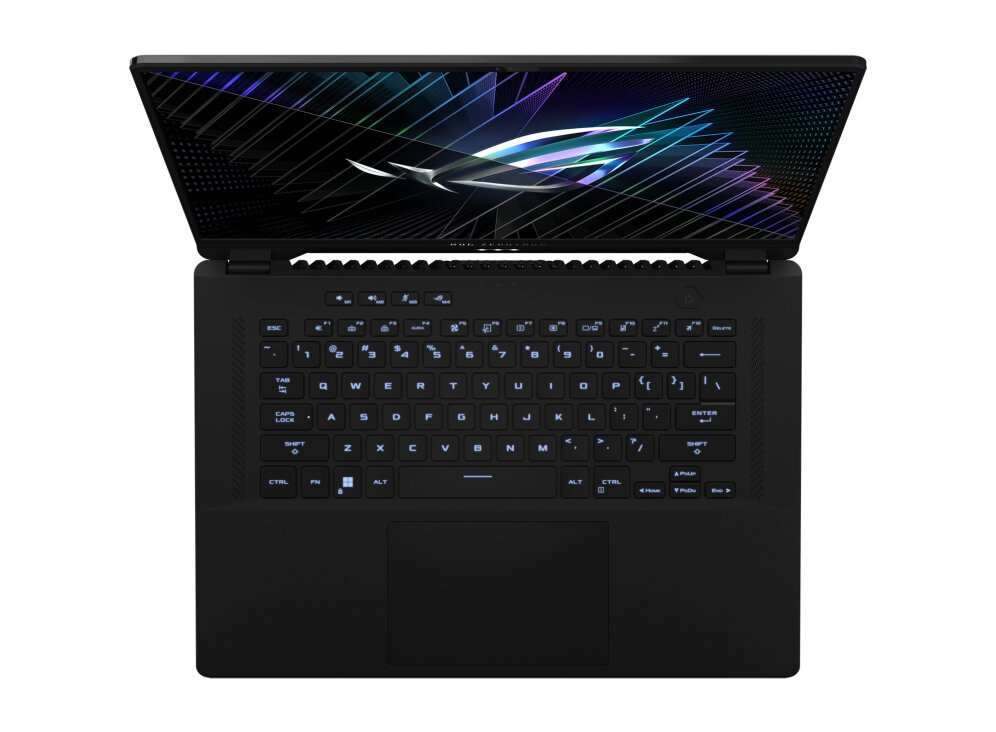

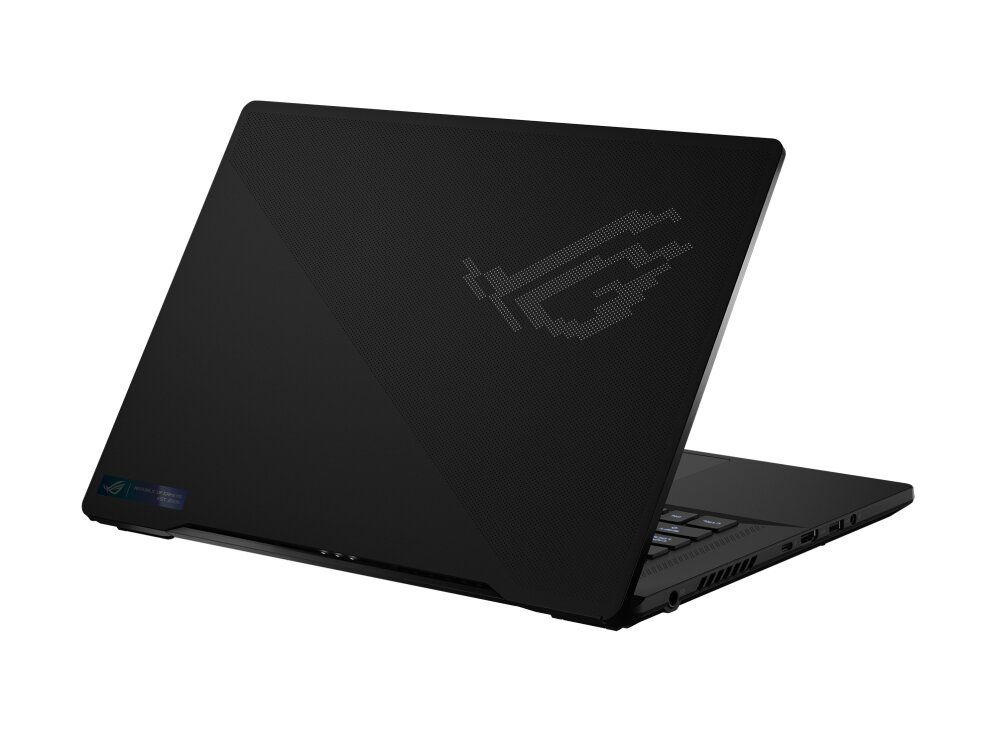
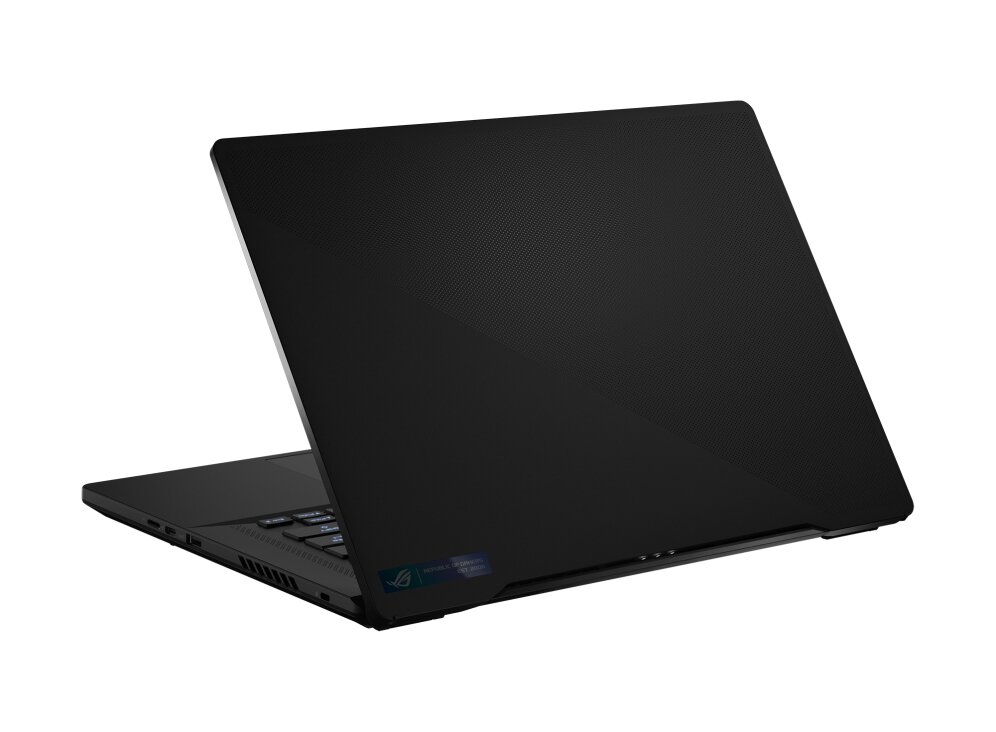
The ASUS ROG Zephyrus M16 GU604VI-NM049W features DDR5-SDRAM memory upgrade specifications with two SO-DIMM slots supporting a maximum RAM capacity of 64 GB. The laptop's memory configuration operates at 4800 MHz frequency, compatible with DDR5 SO-DIMM modules. RAM upgrade specifications for this gaming laptop model enable users to expand memory capacity up to the maximum supported configuration using standard DDR5 memory modules in the available SO-DIMM slots.
Memory Upgrade Specifications
| Specification | Value |
|---|---|
| Memory slots | 2x SO-DIMM |
| Form factor | SO-DIMM |
| Memory type | DDR5-SDRAM |
| Frequency | 4800 MHz |
| Maximum RAM | 64 GB |
| Voltage | 1.1V |
| Number of pins | 262-pin |
| Interface | PC5 |
| PC Speed Rating | PC5-4800 (PC5-38400) |
| Bandwidth | 38.4 GB/s |
| Laptop Release date | 22 June 2023 |
Additional Notes
- The ASUS ROG GU604VI-NM049W restricts upgrades to DDR5 modules only, eliminating backward compatibility with DDR4 or earlier generation memory technologies.
- The 4800 MHz frequency represents JEDEC standard baseline speeds for DDR5, leaving headroom for faster modules if the system BIOS supports XMP 3.0 profiles.
- The 2 SO-DIMM configuration enables dual-channel operation when both slots are populated with matched modules, doubling theoretical memory bandwidth compared to single-module installations.
- The 64 GB maximum capacity constraint likely stems from chipset memory controller limitations rather than physical slot restrictions, capping individual module density at 32 GB per slot.
- SO-DIMM form factor requirements prevent installation of standard desktop DIMM modules, which differ in pin count, physical dimensions, and keying notch positions.
- Mixing modules with different latencies or speeds will force the memory controller to downclock all modules to the slowest common frequency, negating performance benefits of faster RAM.
- Non-ECC unbuffered modules remain the only compatible DDR5 type, as SO-DIMM slots lack the electrical infrastructure for error-correcting or registered memory typically reserved for server platforms.
- Accessing memory slots may require partial or complete disassembly of the bottom chassis panel, potentially voiding warranty seals if manufacturer service policies prohibit user-initiated upgrades.
- The DDR5 architecture's on-die ECC operates independently of system-level error correction, providing silent data corruption protection without BIOS configuration or performance penalties.
- Thermal considerations become critical above 32 GB total capacity, as higher-density modules generate additional heat that may trigger throttling in confined laptop chassis environments.