ASUS ROG GU604VI-NM050X RAM upgrade specifications
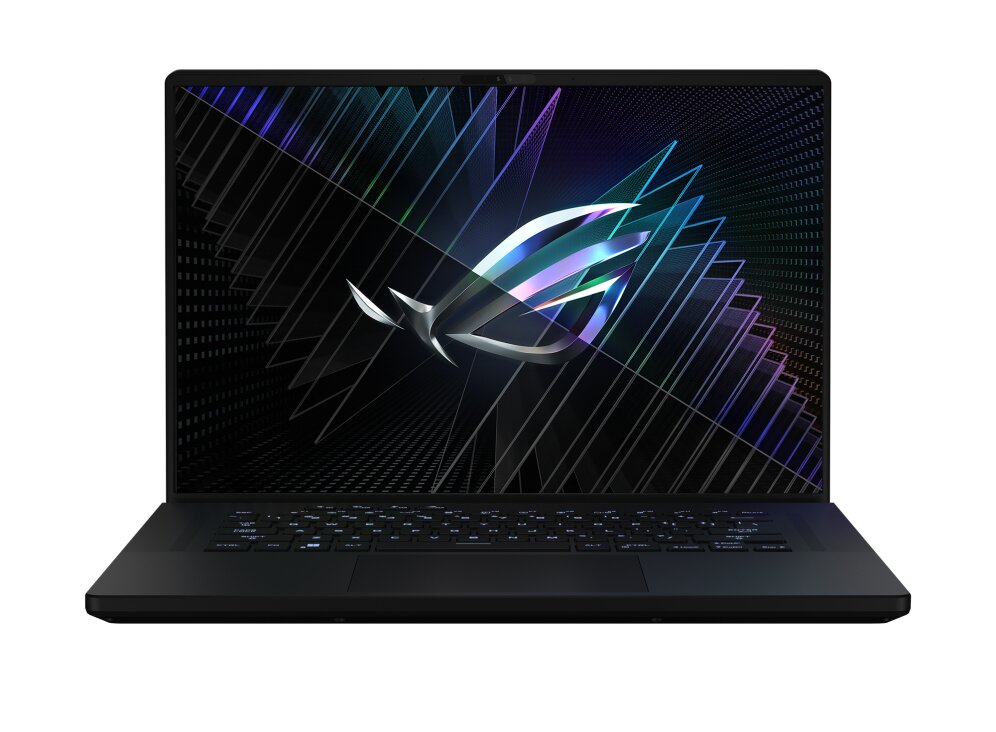
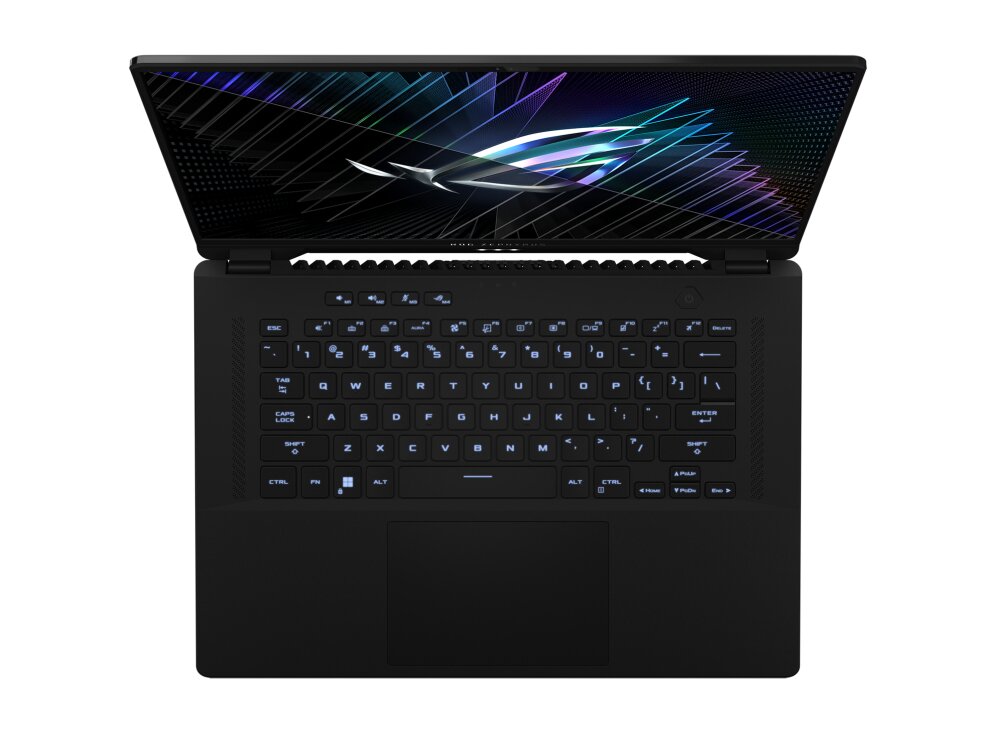
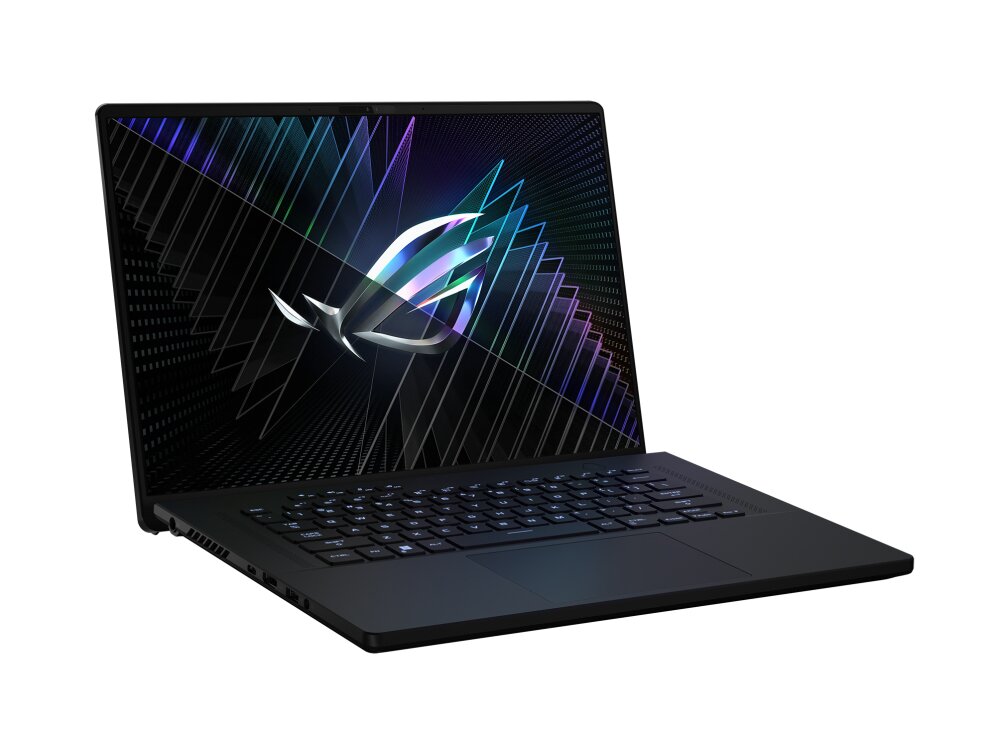
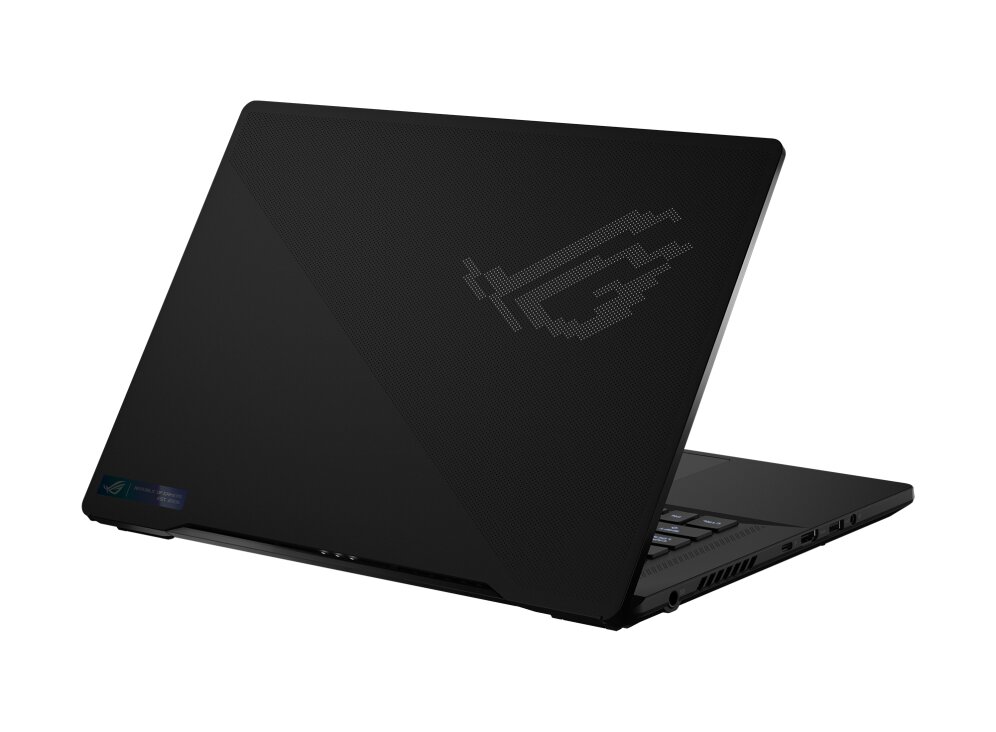
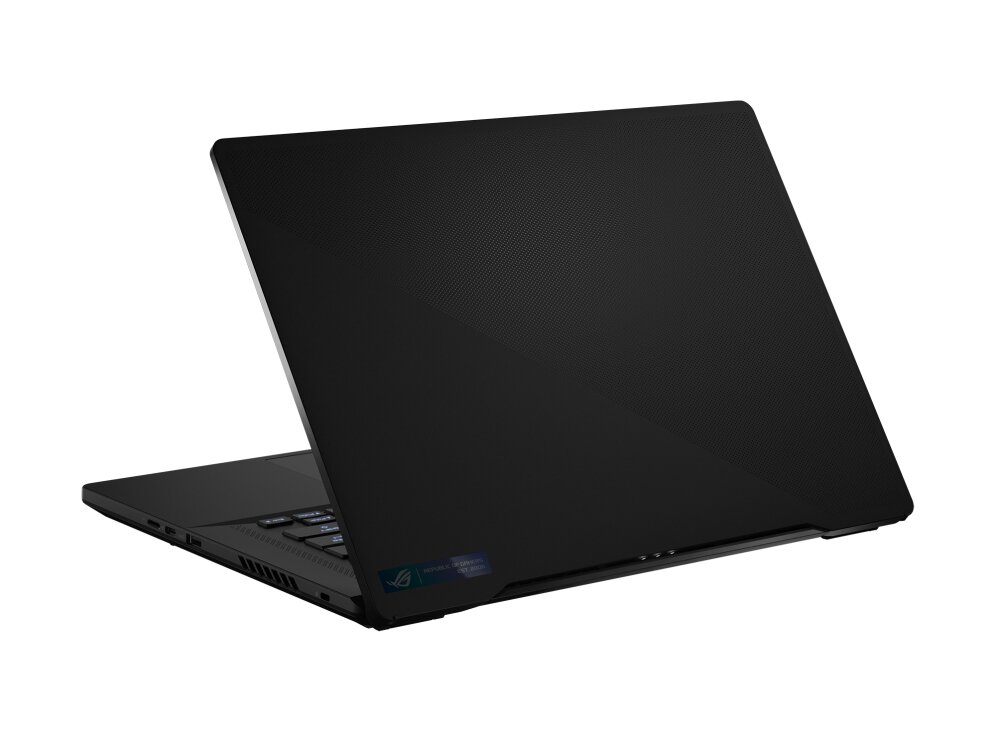
ASUS ROG Zephyrus M16 GU604VI-NM050X laptop features DDR5-SDRAM memory upgrade specifications. The system includes 2x SO-DIMM slots for RAM expansion. Maximum memory capacity reaches 64 GB total. Compatible memory modules operate at 4800 MHz frequency. The SO-DIMM form factor ensures compatibility with standard laptop memory upgrades. These specifications enable users to enhance multitasking performance and system responsiveness through memory expansion.
Memory Upgrade Specifications
| Specification | Value |
|---|---|
| Memory slots | 2x SO-DIMM |
| Form factor | SO-DIMM |
| Memory type | DDR5-SDRAM |
| Frequency | 4800 MHz |
| Maximum RAM | 64 GB |
| Voltage | 1.1V |
| Number of pins | 262-pin |
| Interface | PC5 |
| PC Speed Rating | PC5-4800 (PC5-38400) |
| Bandwidth | 38.4 GB/s |
| Laptop Release date | 16 February 2023 |
Additional Notes
- The presence of 2 SO-DIMM slots confirms that this ASUS ROG GU604VI-NM050X lacks soldered onboard memory, allowing for symmetric dual-channel configurations and future-proof servicing of both RAM modules.
- Utilizing 64 GB of total capacity requires the removal of any factory-installed modules because the motherboard design lacks additional hidden or expansion slots.
- The 4800 MHz frequency indicates a performance ceiling where installing higher lightning-speed modules will result in an automatic downclock to match the hardware controller limitations.
- Upgrading to the maximum supported density necessitates matching the latency timings between both slots to prevent system instability or boot failures during high-bandwidth tasks.
- The DDR5 architecture introduces on-die Error Correction Code which improves system reliability during long computational sessions compared to older memory standards.
- Physical access to the SO-DIMM slots typically requires the removal of the lower chassis panel, which requires careful handling of internal ribbon cables and thermal pads to maintain heat dissipation efficiency.
- Total memory bandwidth is dependent on occupying both physical slots to enable 128-bit wide data bus access, which is critical for integrated graphics performance and multi-threaded rendering.