ASUS ROG GX703HS-KF015T RAM upgrade specifications




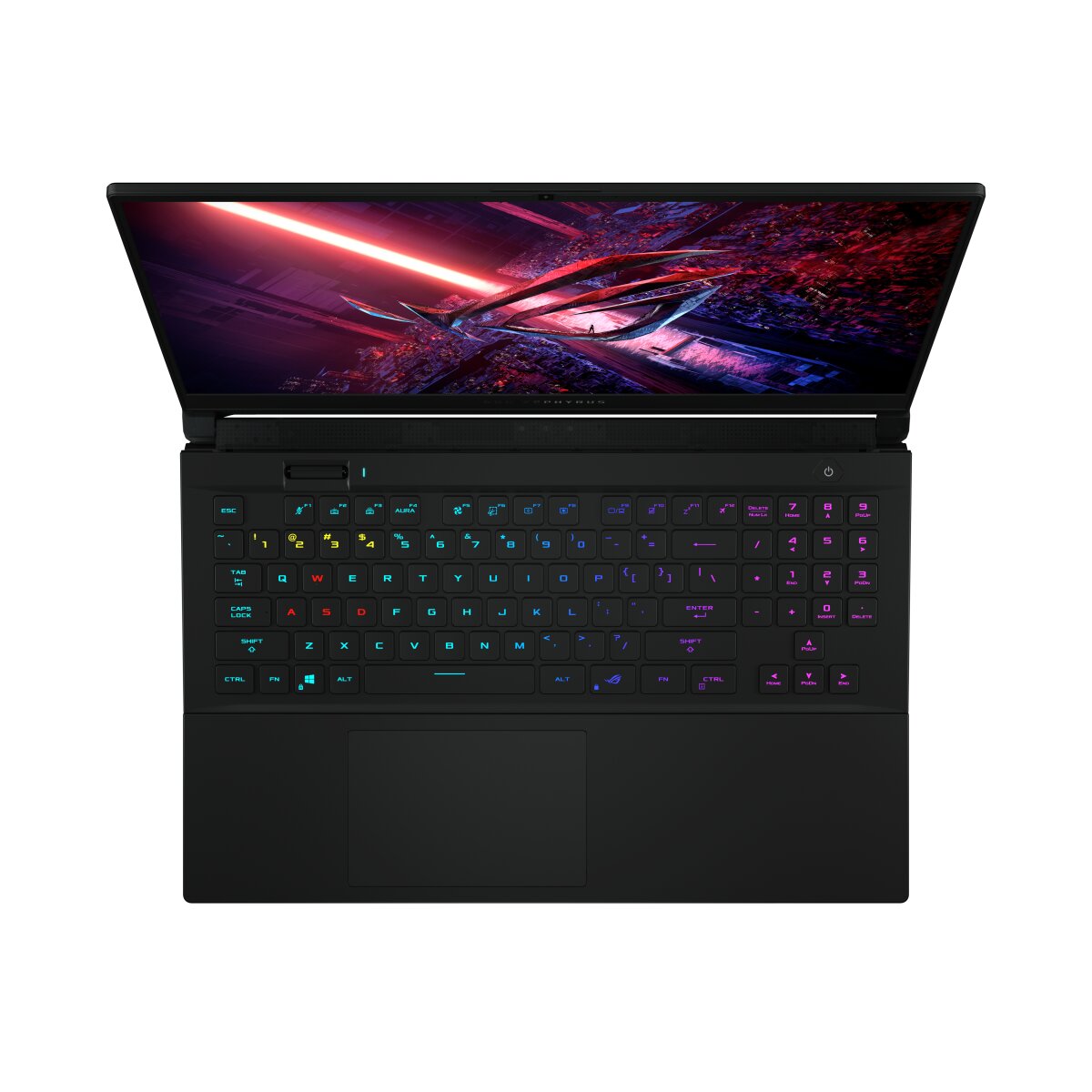
The ASUS ROG Zephyrus S17 GX703HS-KF015T features DDR4-SDRAM memory specifications with upgrade capabilities. The laptop contains one SO-DIMM slot compatible with DDR4 memory modules operating at 3200 MHz frequency. Maximum RAM capacity reaches 48 GB through the combination of on-board memory and the single SO-DIMM slot. Users can upgrade the memory by installing compatible DDR4 modules into the available slot to expand total system RAM up to the specified maximum capacity.
Memory Upgrade Specifications
| Specification | Value |
|---|---|
| Memory slots | 1x SO-DIMM |
| Form factor | On-board + SO-DIMM |
| Memory type | DDR4-SDRAM |
| Frequency | 3200 MHz |
| Maximum RAM | 48 GB |
| Voltage | 1.2V |
| Number of pins | 260-pin |
| Interface | PC4 |
| PC Speed Rating | PC4-3200 (PC4-25600) |
| Bandwidth | 25.6 GB/s |
| Laptop Release date | 24 June 2021 |
Additional Notes
- The ASUS ROG GX703HS-KF015T employs a hybrid memory architecture where soldered RAM shares the memory controller with a single expansion slot, potentially introducing slight latency variations under asymmetric dual-channel configurations.
- The 48 GB maximum capacity indicates 16 GB soldered directly to the motherboard, leaving the single SO-DIMM slot as the only user-accessible upgrade point without board-level rework.
- Achieving the 48 GB ceiling requires installing a 32 GB module in the available slot, which may limit sourcing options compared to more common 16 GB or 8 GB densities.
- DDR4-3200 operation depends on both the installed module supporting this speed grade and JEDEC SPD profiles being correctly detected, as manual timing adjustments typically void manufacturer warranties on pre-built systems.
- Mismatched module sizes between soldered and socketed RAM will force the memory controller into flex mode rather than symmetric dual-channel, reducing peak bandwidth in memory-intensive workloads.
- The SO-DIMM form factor requires 260-pin modules with specific height clearances, as gaming laptop chassis often position the memory slot beneath heat pipes or thermal management components.
- Third-party RAM installation on this model risks warranty coverage unless performed by authorized service centers, particularly given the single-slot design leaves no redundancy for troubleshooting.
- Operating at 3200 MHz generates more heat than lower JEDEC speeds, making module quality and thermal pad contact critical in the confined airflow environment of high-performance laptops.
- The soldered memory component cannot be replaced if defective except through motherboard replacement, making the socketed slot the only field-serviceable memory path.
- Voltage compatibility must remain within DDR4 standard specifications of 1.2V, as gaming laptops typically lack BIOS options to adjust DRAM voltage for stability with overclocked or non-standard modules.