ASUS TUF Dash FX516PC-HN016T-BE RAM upgrade specifications
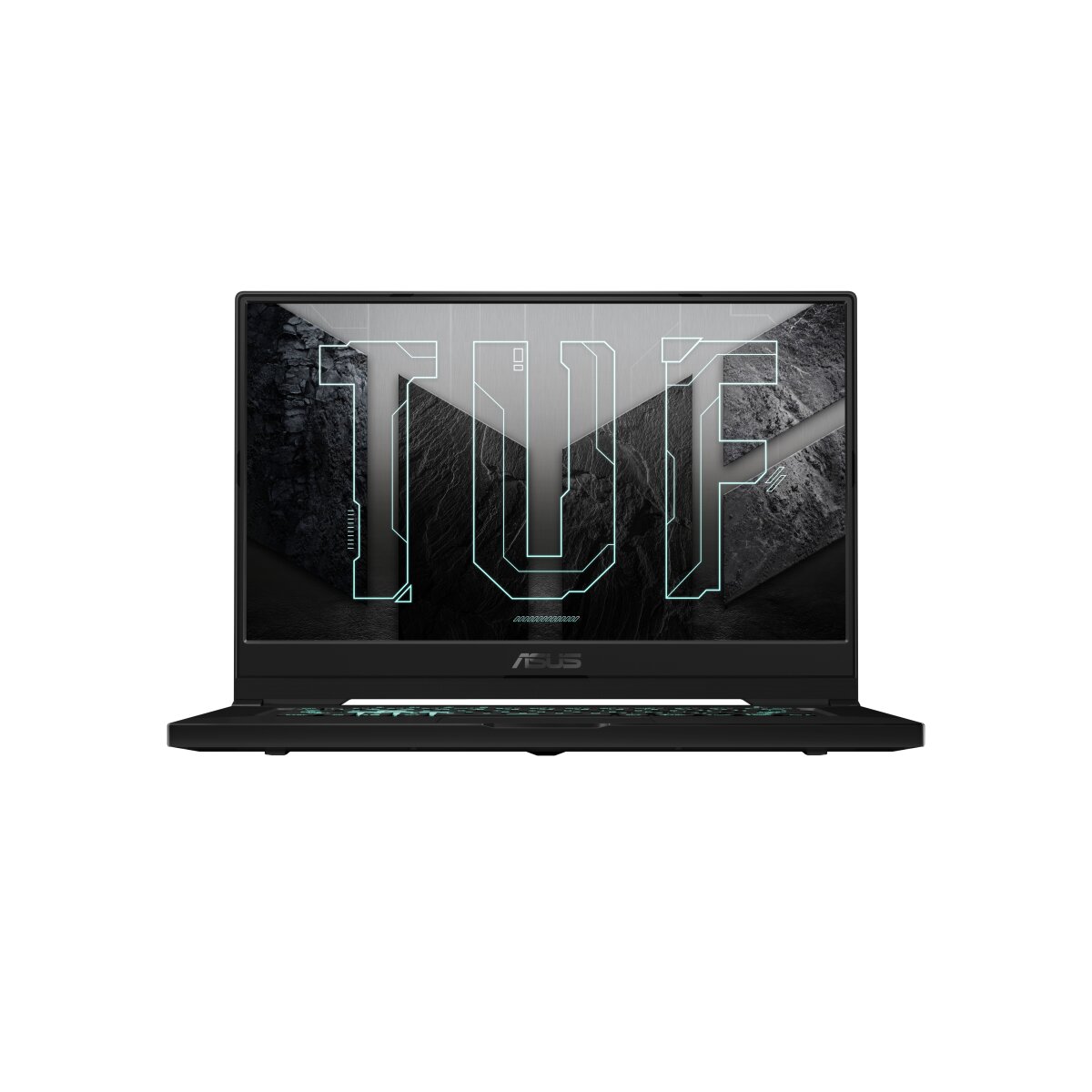




The ASUS TUF Dash F15 FX516PC-HN016T-BE laptop contains DDR4-SDRAM memory with one SO-DIMM upgrade slot available. The upgrade specifications indicate a maximum RAM capacity of 32 GB, operating at 3200 MHz frequency. Memory configuration comprises on-board integrated memory paired with one replaceable SO-DIMM slot for expansion. Compatible RAM modules must match DDR4-SDRAM specifications and 3200 MHz frequency standards for proper operation with the model.
Memory Upgrade Specifications
| Specification | Value |
|---|---|
| Memory slots | 1x SO-DIMM |
| Form factor | On-board + SO-DIMM |
| Memory type | DDR4-SDRAM |
| Frequency | 3200 MHz |
| Maximum RAM | 32 GB |
| Voltage | 1.2V |
| Number of pins | 260-pin |
| Interface | PC4 |
| PC Speed Rating | PC4-3200 (PC4-25600) |
| Bandwidth | 25.6 GB/s |
| Laptop Release date | 13 July 2021 |
Additional Notes
- The presence of on-board memory means a portion of the system RAM is non-removable and soldered directly to the motherboard.
- The single available SO-DIMM slot limits memory expansion to one physical module, preventing the replacement of the base memory capacity.
- Asymmetrical memory configurations occur if the added module capacity differs from the soldered capacity, which forces the system into flex mode rather than full dual-channel operation across the entire memory pool.
- Performance bottlenecks occur if a module with a frequency lower than 3200 MHz is installed, as the system will downclock all memory to match the slowest component.
- The 32 GB maximum capacity refers to the combined total of the soldered memory and the single expansion slot on the ASUS TUF Dash FX516PC-HN016T-BE.
- Latency mismatch between the integrated chips and the slotted module can trigger system instability or BIOS-level timing adjustments.
- Higher density modules may generate concentrated heat in the single slot area due to the thin chassis profile of this specific hardware family.
- Upgrading beyond the factory specifications requires verifying the voltage requirements of the replacement module to ensure compatibility with the DDR4 standard used by the motherboard.