ASUS TUF Gaming FA506IU-HN435T RAM upgrade specifications
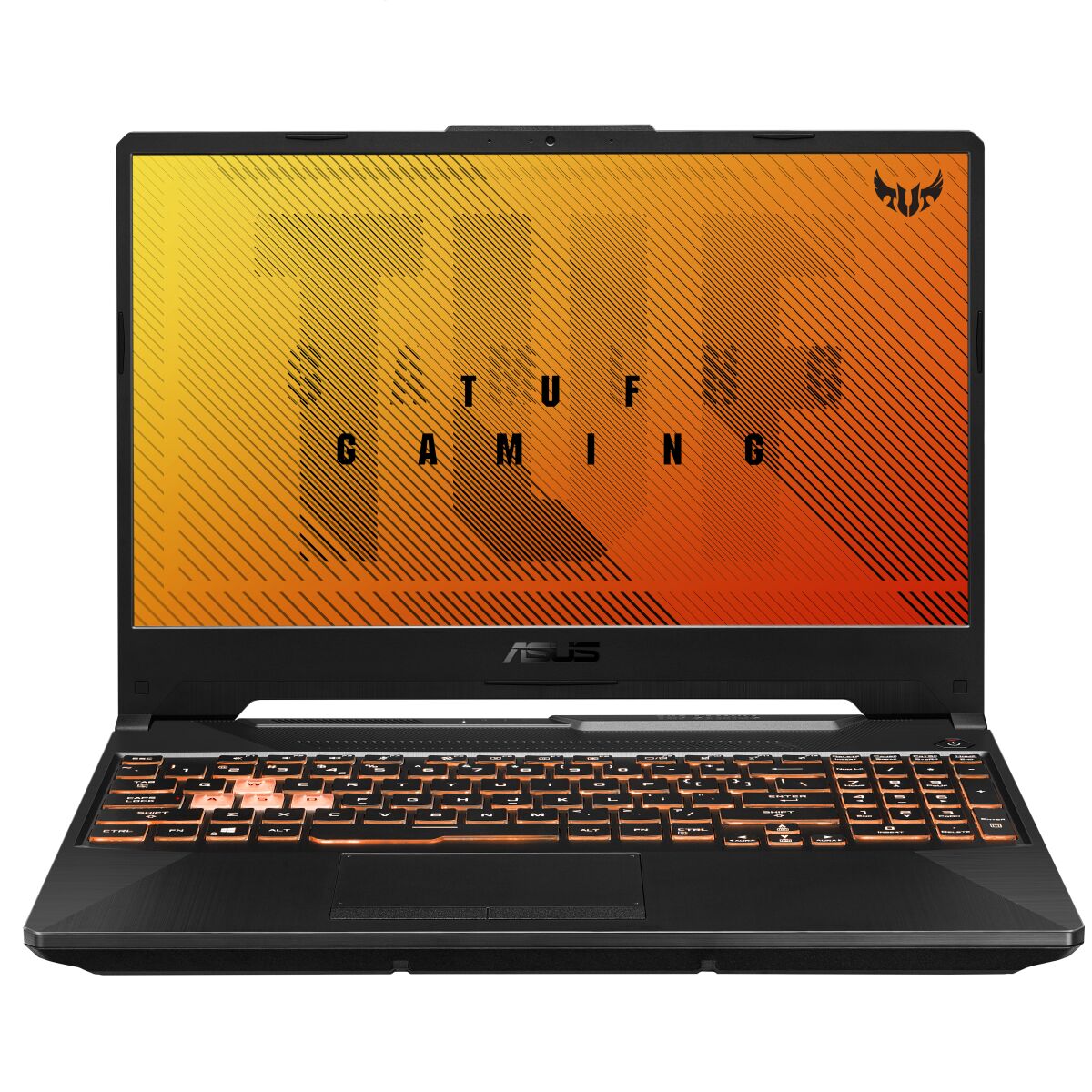
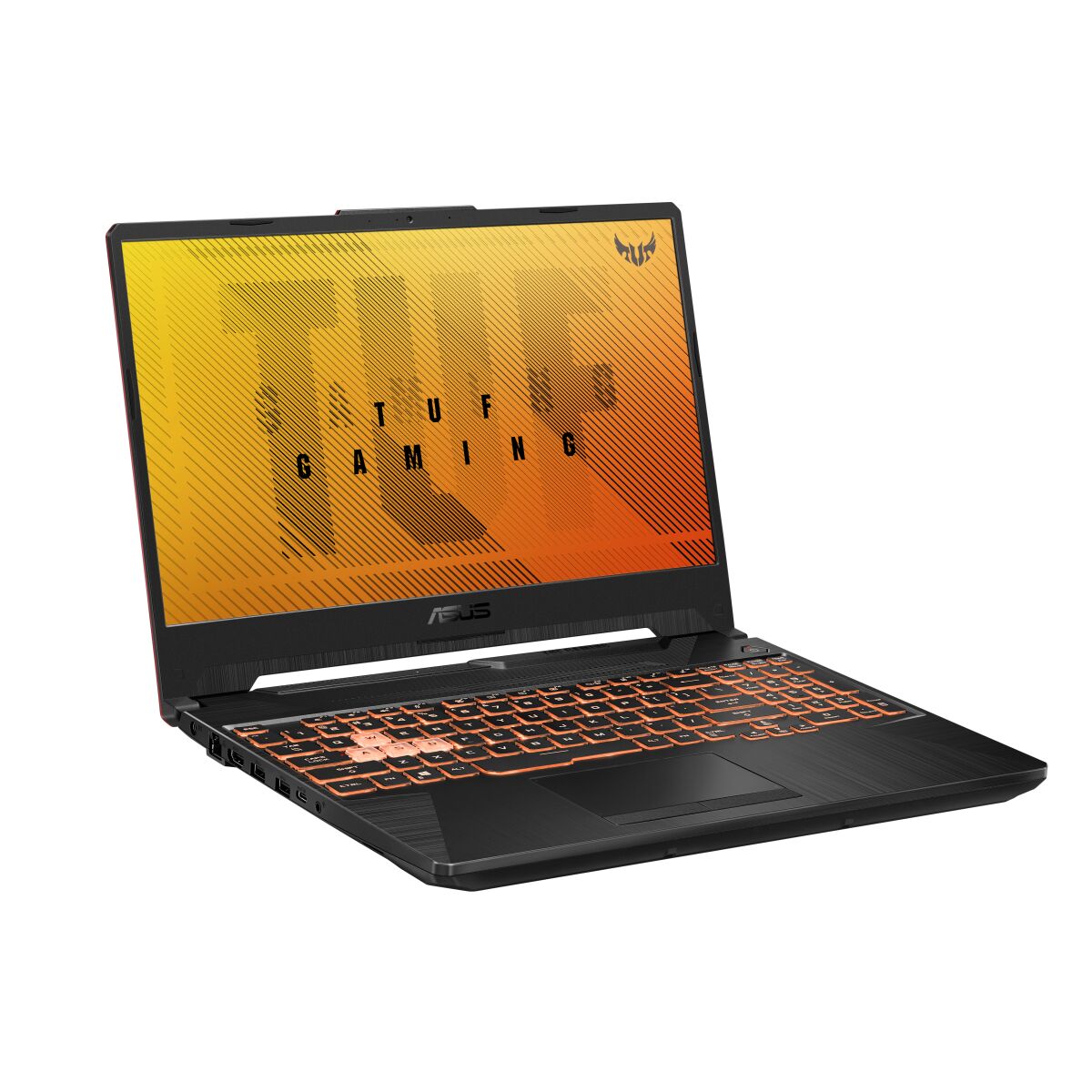
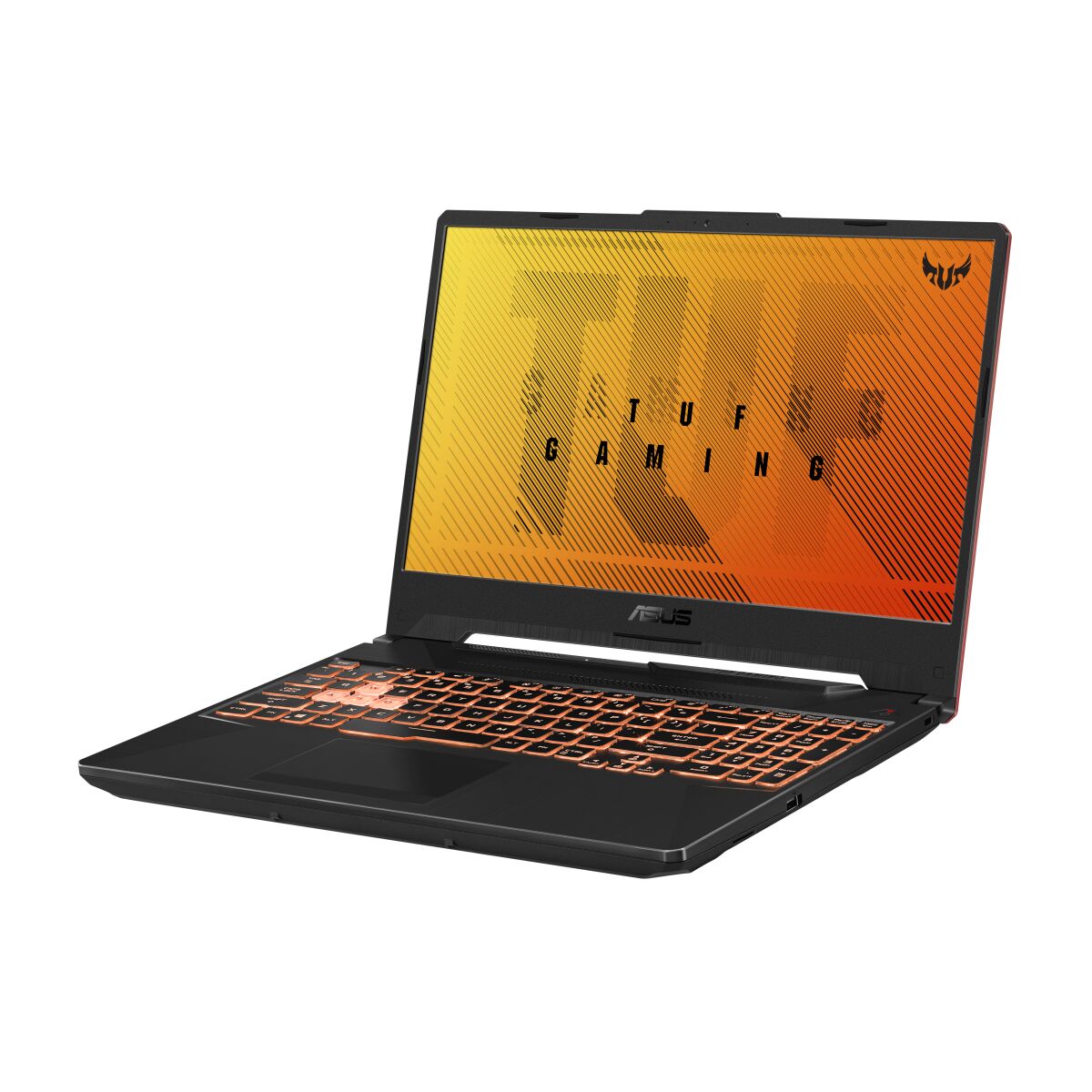
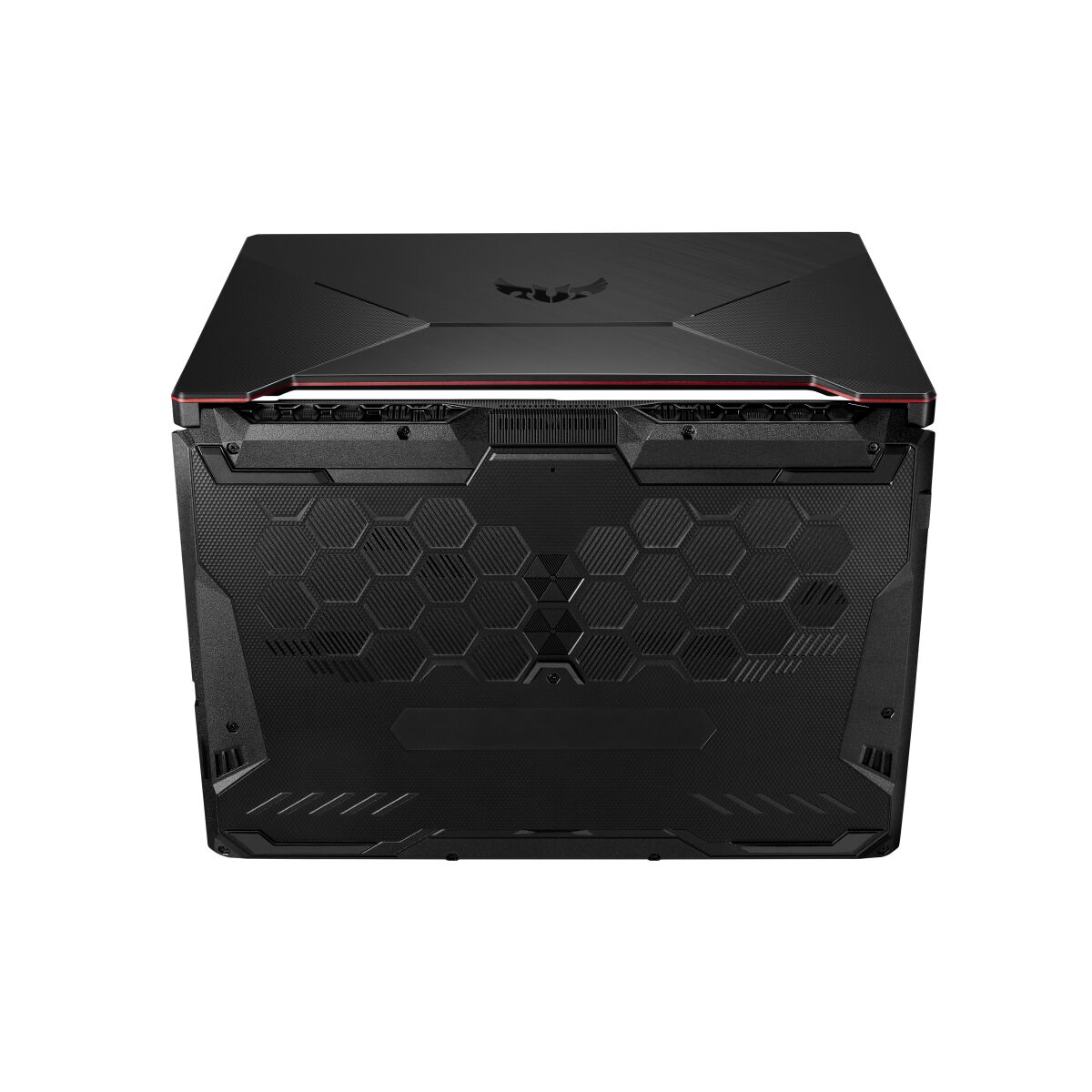
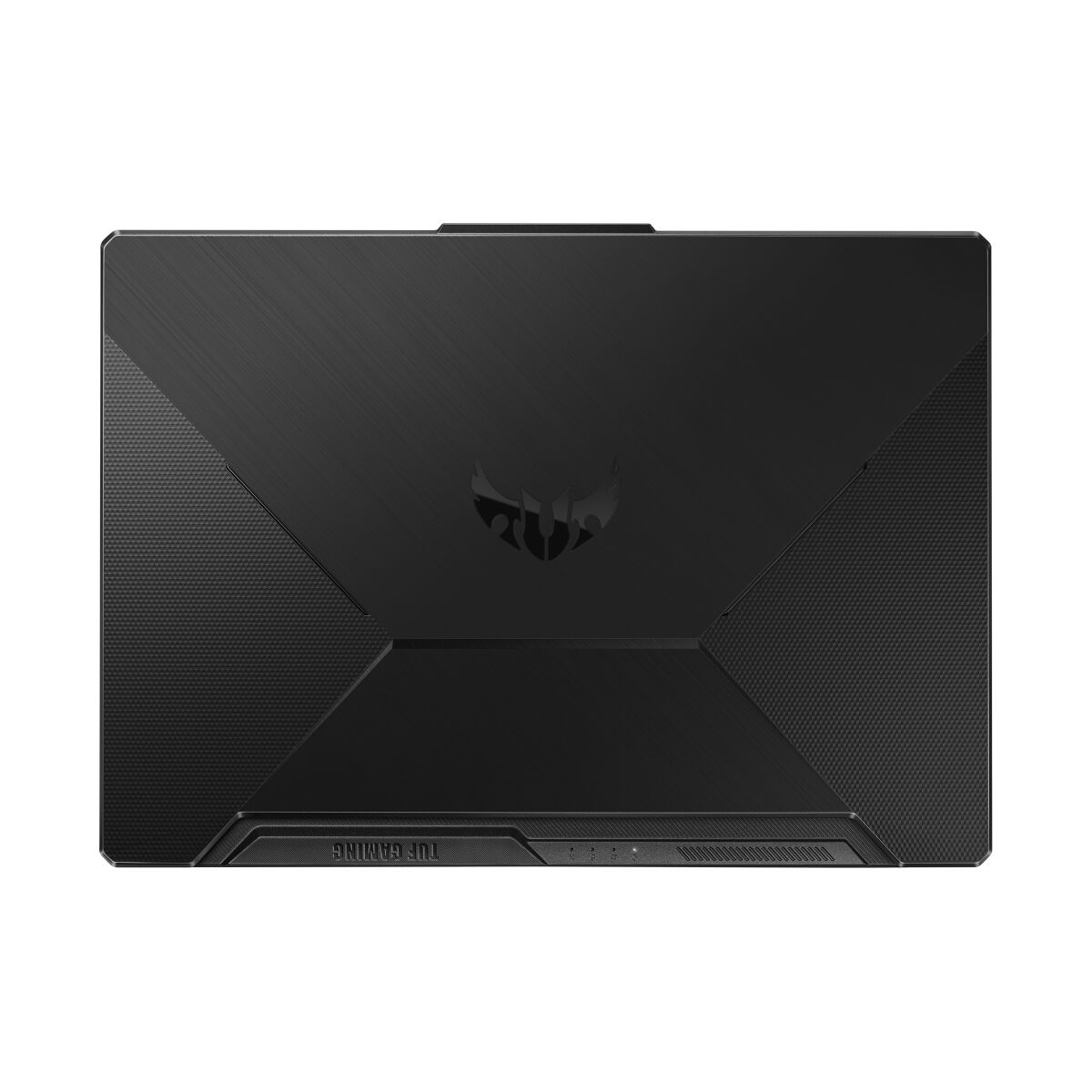
The ASUS TUF Gaming A15 FA506IU-HN435T features DDR4-SDRAM memory specifications with two SO-DIMM slots supporting upgrades to a maximum capacity of 32 GB RAM. The compatible memory operates at 3200 MHz frequency. Upgrade specifications for the FA506IU-HN435T include DDR4 SO-DIMM form factor modules, compatible with the laptop's dual memory slots for enhanced system performance and multitasking capabilities.
Memory Upgrade Specifications
| Specification | Value |
|---|---|
| Memory slots | 2x SO-DIMM |
| Form factor | SO-DIMM |
| Memory type | DDR4-SDRAM |
| Frequency | 3200 MHz |
| Maximum RAM | 32 GB |
| Voltage | 1.2V |
| Number of pins | 260-pin |
| Interface | PC4 |
| PC Speed Rating | PC4-3200 (PC4-25600) |
| Bandwidth | 25.6 GB/s |
| Laptop Release date | 31 January 2021 |
Additional Notes
- The ASUS TUF Gaming FA506IU-HN435T accepts only SO-DIMM modules, preventing desktop RAM installation due to physical incompatibility between 260-pin laptop and 288-pin desktop form factors.
- The 32 GB ceiling reflects chipset addressing limitations rather than slot count, constraining individual module density to 16 GB per slot regardless of higher-capacity modules becoming available.
- Both slots operate in dual-channel mode when populated with matched pairs, doubling theoretical memory bandwidth from 25.6 GB/s per channel to 51.2 GB/s combined throughput.
- DDR4-3200 represents the native JEDEC speed supported without profile adjustments, eliminating overclocking requirements that void warranties on many laptop configurations.
- Single-channel operation occurs when using mismatched module capacities, halving available bandwidth and potentially throttling integrated graphics performance during memory-intensive tasks.
- The SO-DIMM standard restricts module height to 30 mm, automatically ensuring clearance compatibility without measuring internal chassis dimensions.
- Non-ECC unbuffered modules are required, as registered or error-correcting variants introduce incompatible signal timing that prevents POST completion.
- Mixed-speed configurations automatically downclock all modules to the slowest installed frequency, negating any performance benefit from higher-rated modules when paired with slower existing RAM.
- Voltage specifications default to 1.2V for DDR4, with low-voltage 1.35V variants potentially causing stability issues if the memory controller lacks adaptive voltage scaling.
- Warranty preservation typically requires retaining original modules for reinstallation before service claims, as third-party RAM installation often triggers support exclusions on consumer-grade gaming laptops.