ASUS TUF Gaming FA506IV-HN186T RAM upgrade specifications

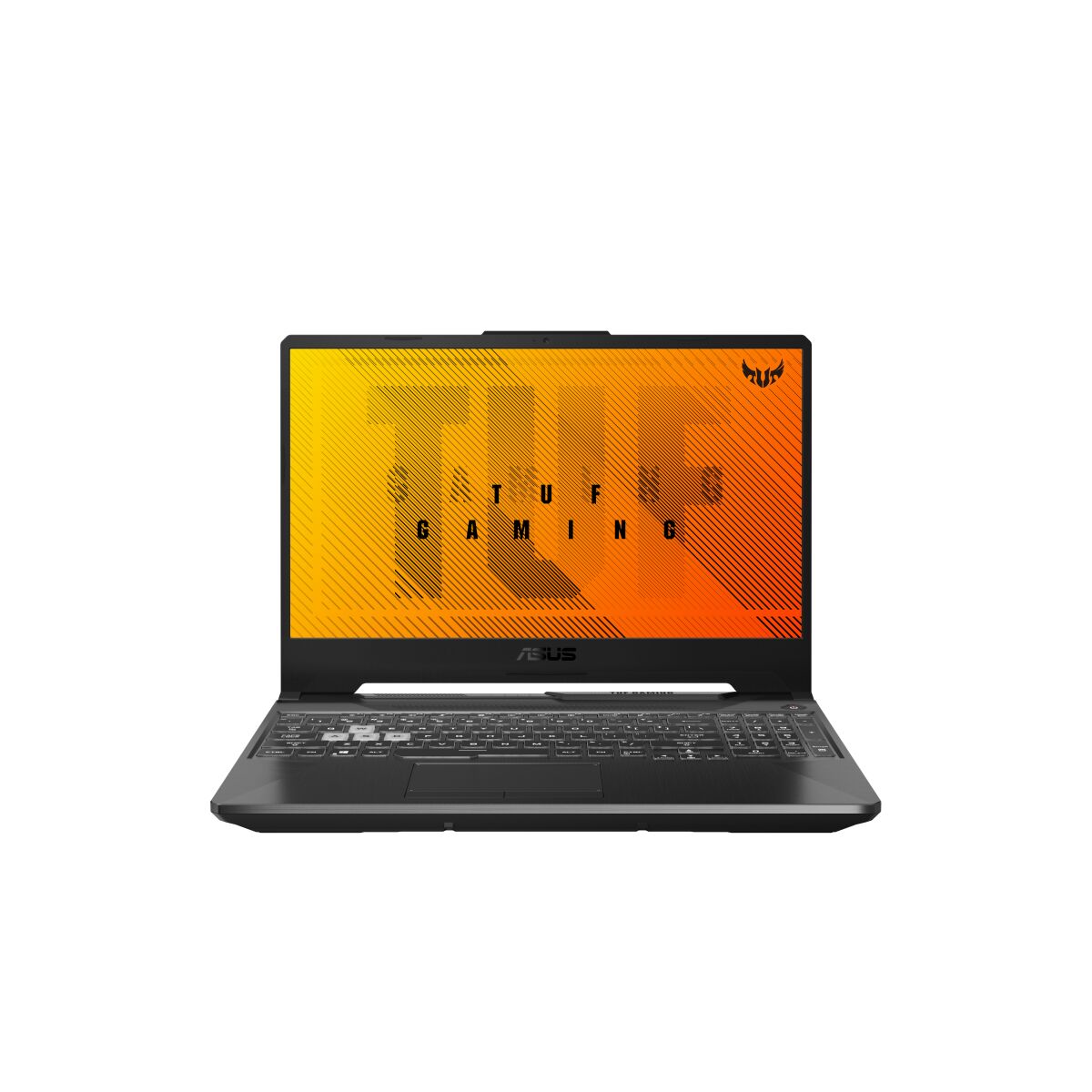
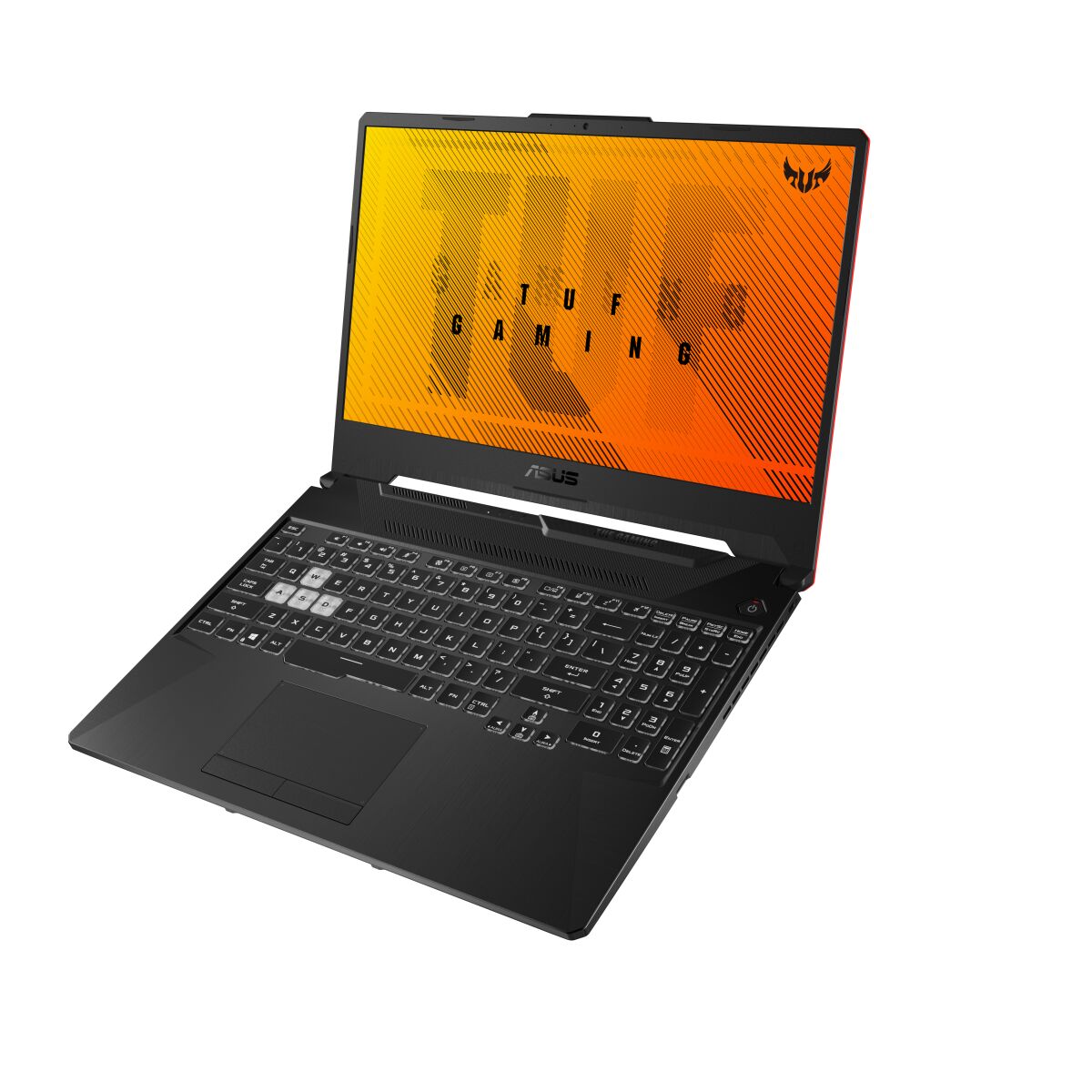
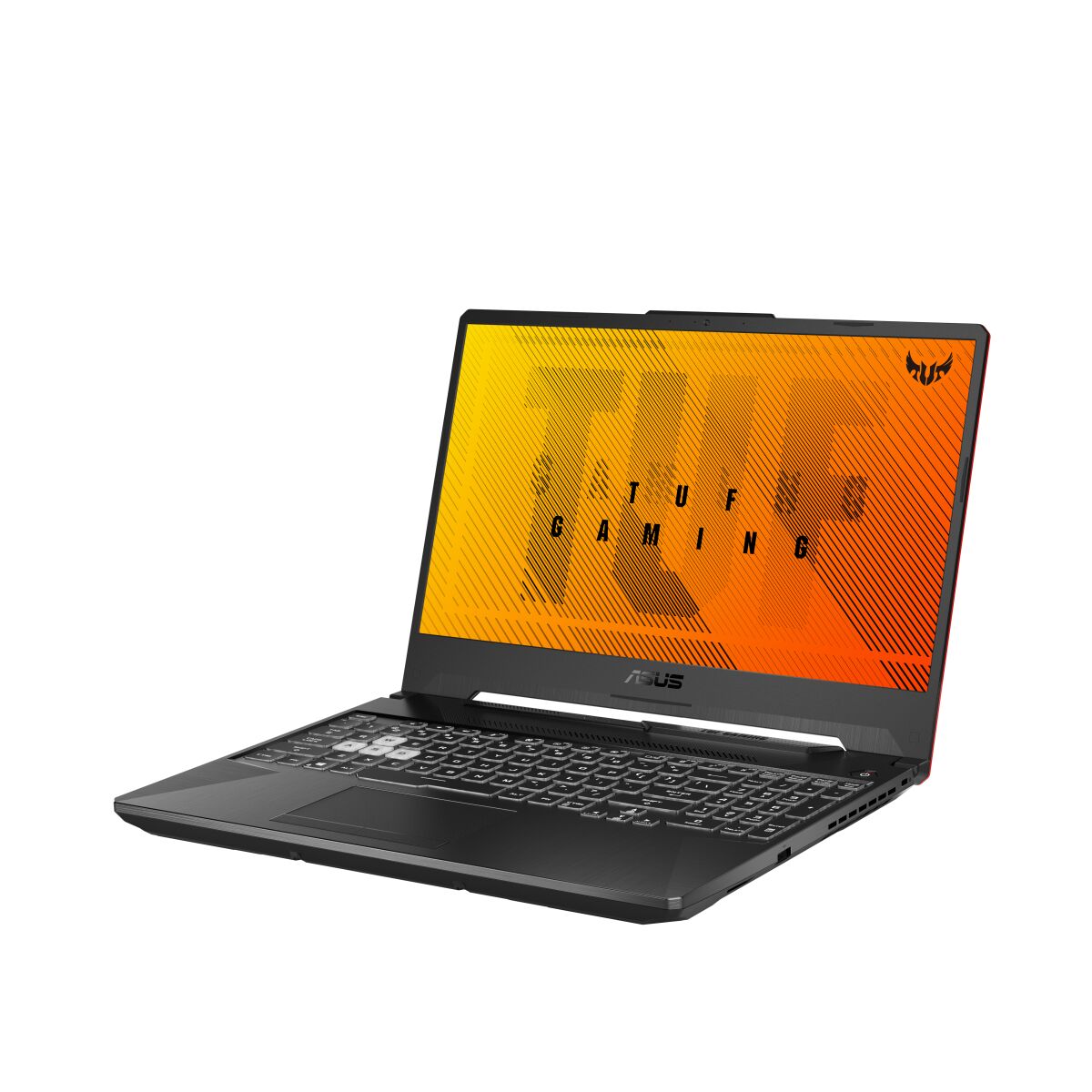
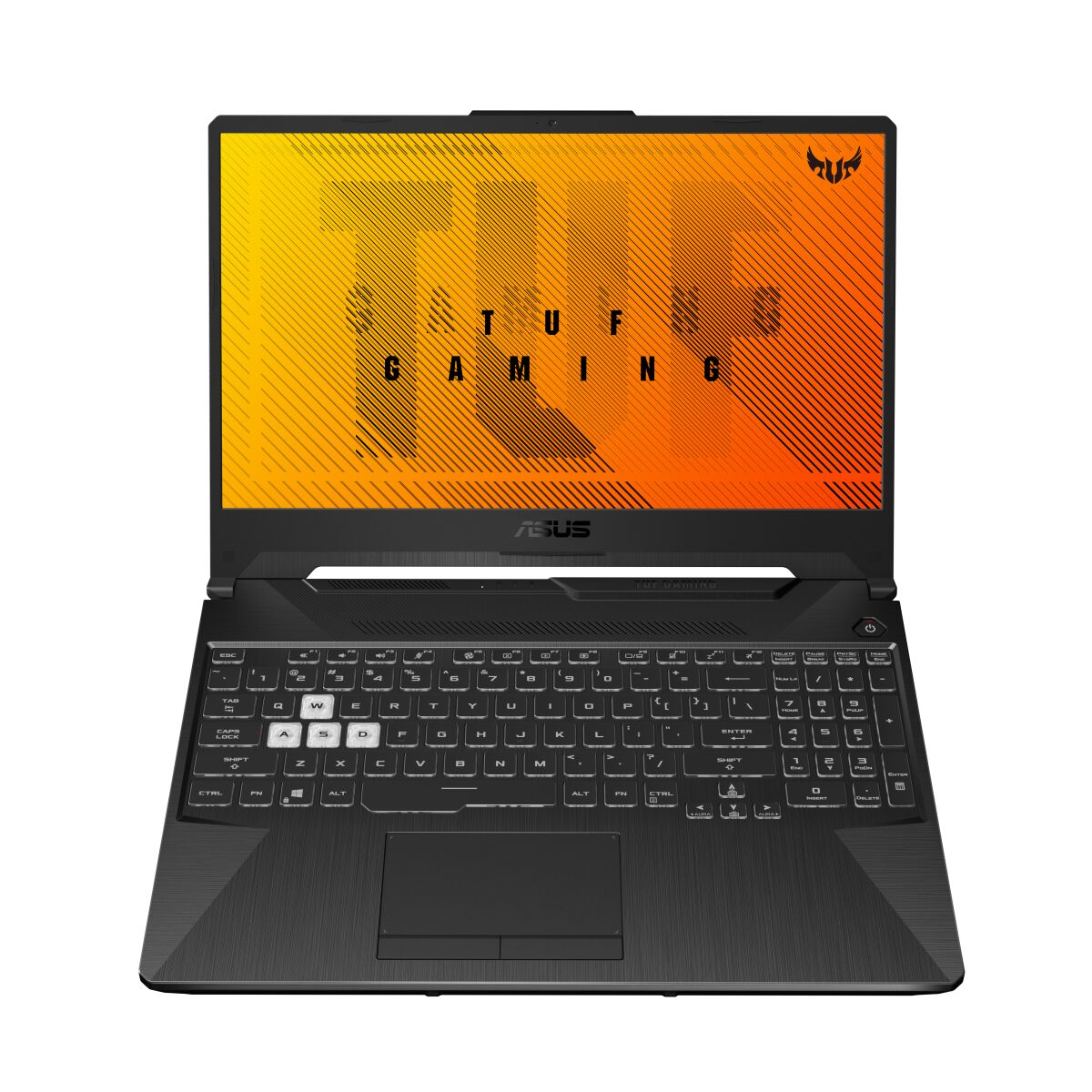
ASUS TUF Gaming A15 FA506IV-HN186T RAM upgrade specifications include two SO-DIMM slots supporting DDR4-SDRAM memory modules. Maximum compatible capacity reaches 32 GB total memory upgrade potential. Memory specifications require DDR4 modules operating at 3200 MHz frequency. Upgrade configuration supports SO-DIMM form factor exclusively. Specifications enable flexible memory expansion within stated maximum capacity limits for enhanced multitasking performance on gaming laptop platform.
Memory Upgrade Specifications
| Specification | Value |
|---|---|
| Memory slots | 2x SO-DIMM |
| Form factor | SO-DIMM |
| Memory type | DDR4-SDRAM |
| Frequency | 3200 MHz |
| Maximum RAM | 32 GB |
| Voltage | 1.2V |
| Number of pins | 260-pin |
| Interface | PC4 |
| PC Speed Rating | PC4-3200 (PC4-25600) |
| Bandwidth | 25.6 GB/s |
| Laptop Release date | 16 October 2020 |
Additional Notes
- The 32 GB ceiling on the ASUS TUF Gaming FA506IV-HN186T originates from AMD Ryzen 4000 series memory controller architecture rather than physical slot limitations.
- DDR4-3200 operation requires proper XMP/DOCP profile activation in BIOS, otherwise modules default to JEDEC standard 2666 MHz regardless of rated specification.
- Dual-channel population delivers twice the memory bandwidth compared to single-module configurations, critical for integrated Radeon graphics when used alongside discrete GPU in hybrid mode.
- SO-DIMM notch positioning differs between DDR4 and legacy DDR3L modules, preventing physical insertion of incompatible generation despite similar 260-pin count.
- Mixing modules with different latency timings forces all installed memory to operate at slowest common denominator specifications, potentially degrading performance below expectations.
- Both memory slots reside beneath bottom access panel without requiring full keyboard assembly removal, maintaining OEM warranty seal integrity during self-installation.
- Non-ECC unbuffered modules are required; registered or ECC variants designed for server platforms will fail POST initialization.
- Single-rank versus dual-rank architecture affects maximum capacity per slot, with 16 GB density requiring dual-rank organization in DDR4 technology.
- Operating voltage must conform to DDR4 standard 1.2V specification; performance modules rated above 1.35V risk thermal throttling or system instability in confined laptop chassis.
- Asymmetric configurations (unequal capacity modules) technically function but disable flex-mode optimizations, losing interleaved access patterns for the mismatched portion.