ASUS TUF Gaming FA506IV-HN194T RAM upgrade specifications

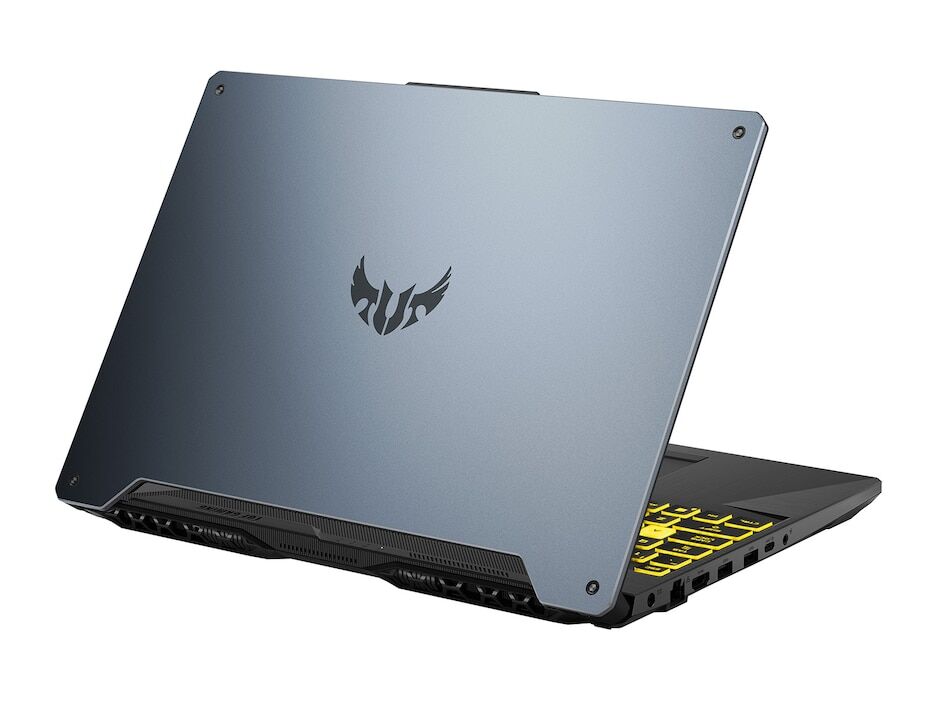
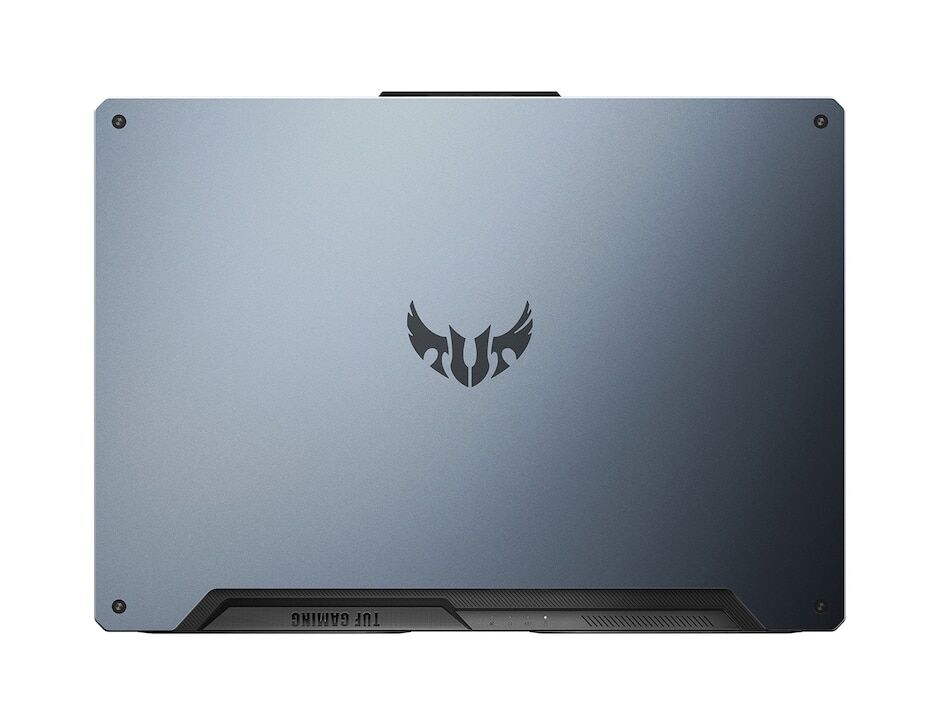
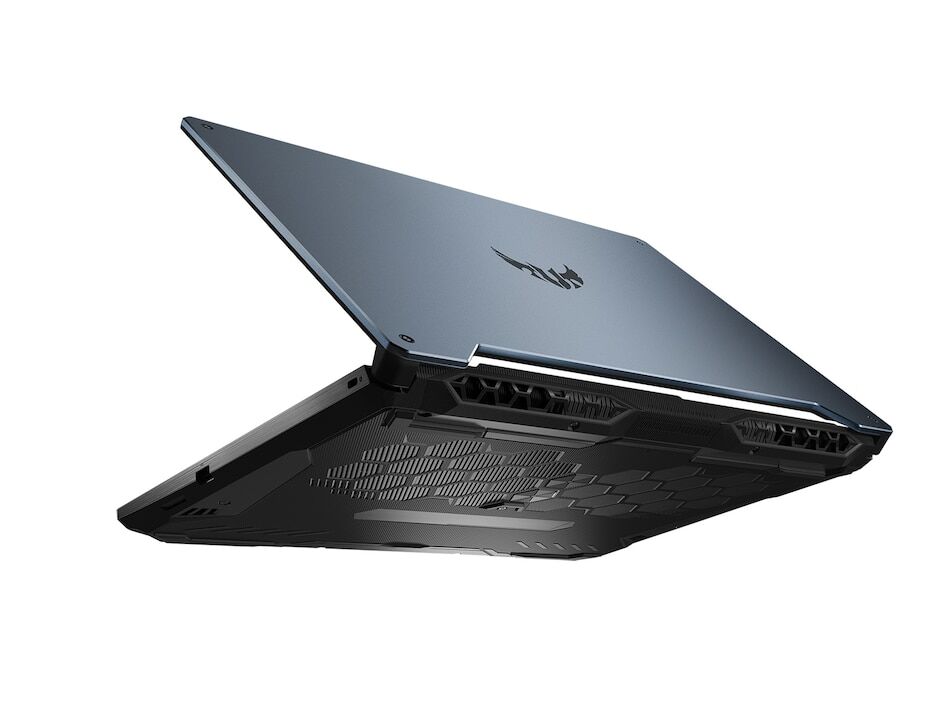

ASUS TUF Gaming A15 FA506IV-HN194T laptop features DDR4-SDRAM memory upgrade specifications with two SO-DIMM slots supporting maximum RAM capacity of 32 GB. Compatible memory operates at 3200 MHz frequency. RAM upgrade slots accommodate standard SO-DIMM form factor modules. Specifications enable memory expansion for enhanced multitasking and performance on gaming and professional workstations.
Memory Upgrade Specifications
| Specification | Value |
|---|---|
| Memory slots | 2x SO-DIMM |
| Form factor | SO-DIMM |
| Memory type | DDR4-SDRAM |
| Frequency | 3200 MHz |
| Maximum RAM | 32 GB |
| Voltage | 1.2V |
| Number of pins | 260-pin |
| Interface | PC4 |
| PC Speed Rating | PC4-3200 (PC4-25600) |
| Bandwidth | 25.6 GB/s |
| Laptop Release date | 28 December 2020 |
Additional Notes
- The ASUS TUF Gaming FA506IV-HN194T enforces a 32 GB ceiling across both slots combined, requiring dual 16 GB modules for maximum capacity rather than higher-density configurations.
- DDR4-3200 operates at PC4-25600 bandwidth specification, delivering 25.6 GB/s theoretical throughput per channel in dual-channel mode when both slots are populated with matched modules.
- Mixing modules with different speeds forces all installed memory to downclock to the slowest module's frequency, negating any performance advantage of higher-rated DIMMs.
- SO-DIMM form factor measures 67.6mm in length versus 133.35mm for standard DIMM, making desktop memory modules physically incompatible regardless of electrical specifications.
- Dual-channel architecture requires symmetrical capacity across both slots to unlock full memory bandwidth, meaning 8 GB plus 16 GB configurations will halve effective bandwidth compared to matched 16 GB pairs.
- Non-matching CAS latencies between modules typically default to the higher latency value system-wide, introducing measurable delays in memory-intensive applications.
- Single-rank versus dual-rank module topology affects interleaving behavior, with mixed configurations potentially reducing performance compared to homogeneous rank implementations.
- Voltage tolerance for DDR4 standardizes at 1.2V nominal, though XMP profiles may request higher voltages that laptop firmware often refuses to honor, leaving overclocked modules running at JEDEC defaults.
- Thermal constraints in laptop chassis limit sustained memory performance compared to desktop equivalents, as SO-DIMM modules lack dedicated heatspreaders and rely on chassis airflow.
- Most laptop manufacturers void warranty coverage when bottom panel seals are broken for user upgrades, requiring documentation of factory-sealed condition before self-service modifications.
- ECC (Error-Correcting Code) memory remains incompatible with consumer laptop platforms despite physical SO-DIMM compatibility, as chipset and firmware lack validation support.
- Memory training at POST extends boot times when new modules are installed, particularly when transitioning between different chip densities or manufacturers.