ASUS TUF Gaming FA507NV-LP113W RAM upgrade specifications


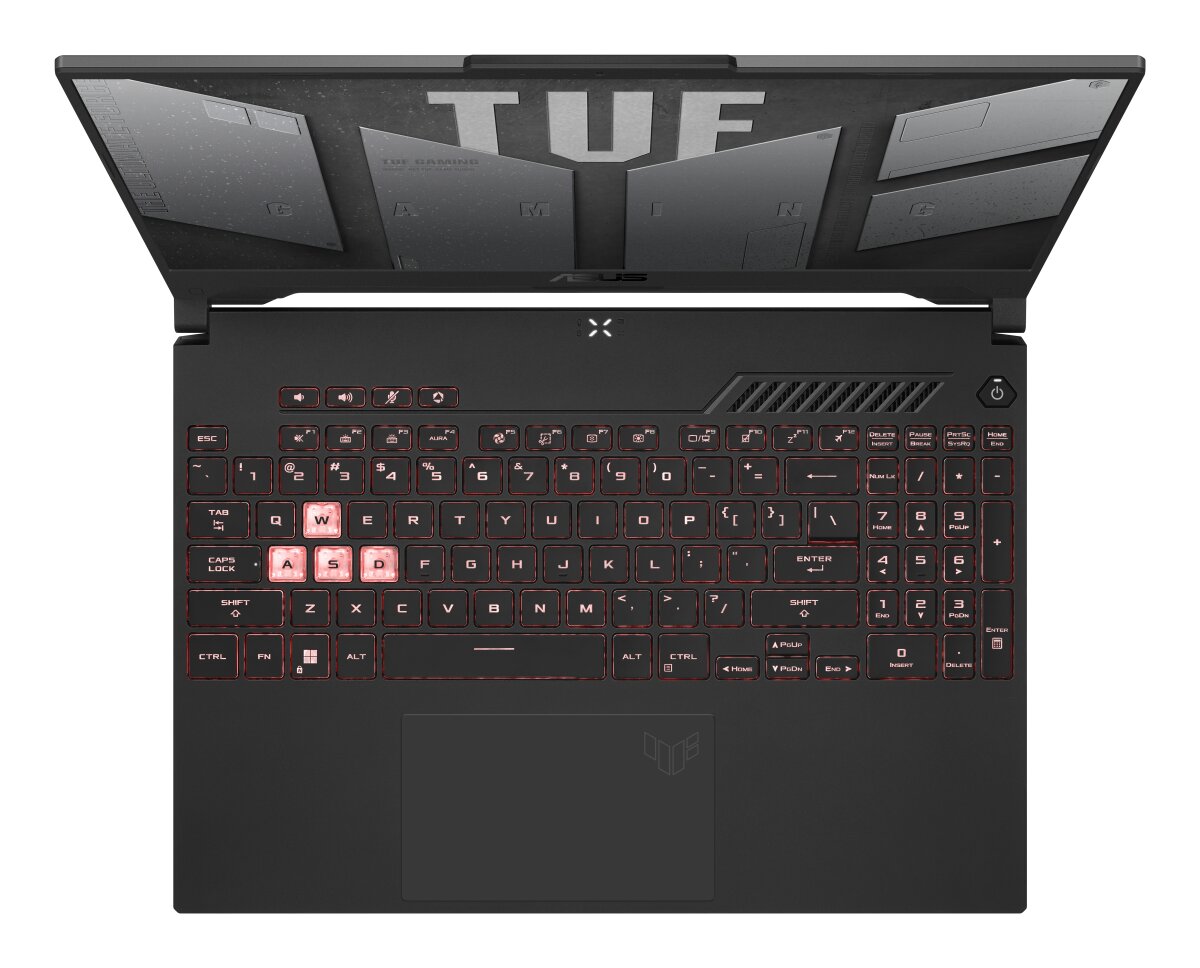
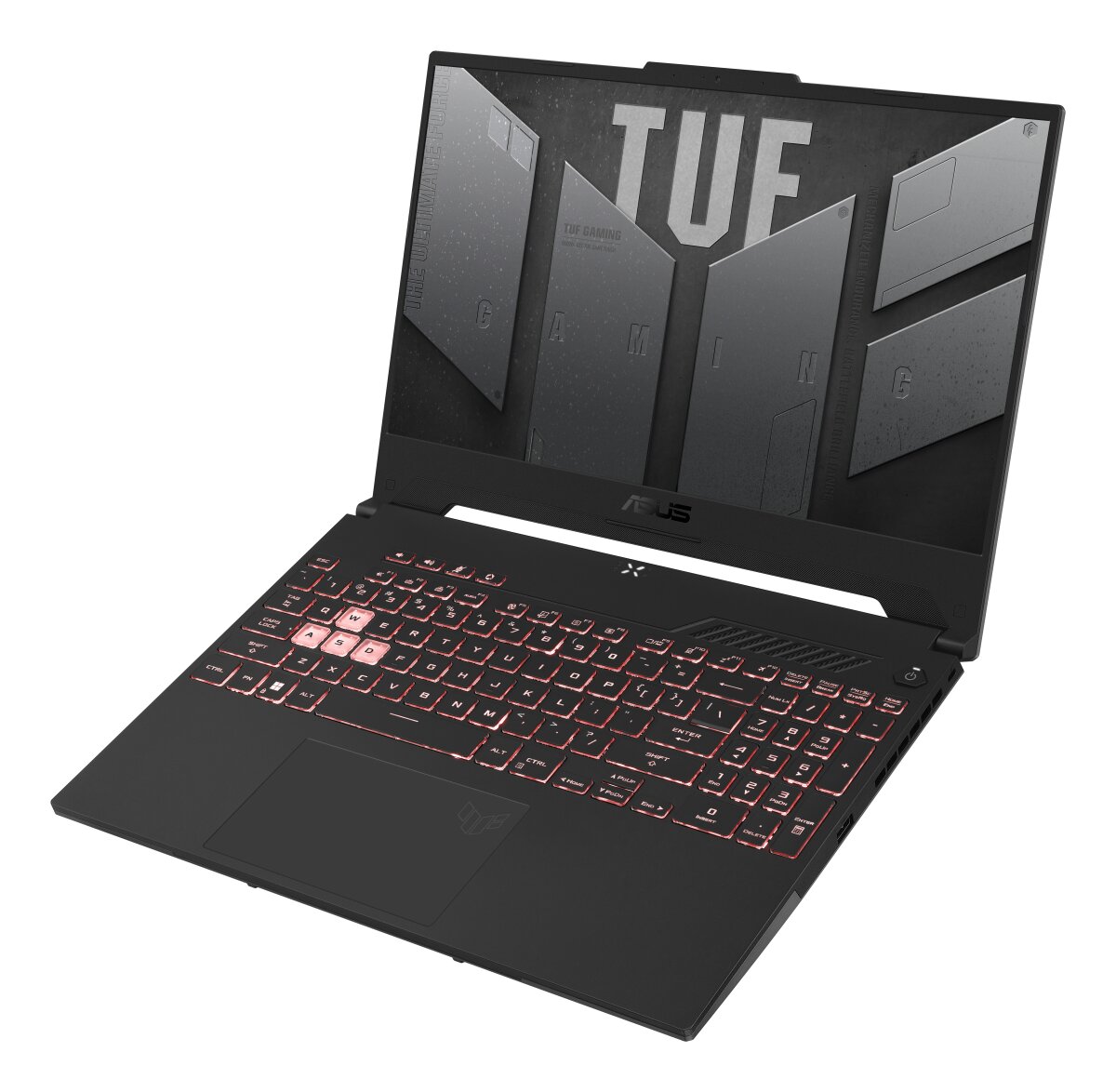
ASUS TUF Gaming A15 FA507NV-LP113W laptop supports DDR5-SDRAM memory upgrades with two SO-DIMM slots. Maximum RAM capacity reaches 32 GB total. Compatible memory modules operate at 4800 MHz frequency. Specifications indicate SO-DIMM form factor for memory expansion. Upgrade options allow users to install additional DDR5 memory modules in available slots to increase system performance and multitasking capabilities.
Memory Upgrade Specifications
| Specification | Value |
|---|---|
| Memory slots | 2x SO-DIMM |
| Form factor | SO-DIMM |
| Memory type | DDR5-SDRAM |
| Frequency | 4800 MHz |
| Maximum RAM | 32 GB |
| Voltage | 1.1V |
| Number of pins | 262-pin |
| Interface | PC5 |
| PC Speed Rating | PC5-4800 (PC5-38400) |
| Bandwidth | 38.4 GB/s |
Additional Notes
- The ASUS TUF Gaming FA507NV-LP113W contains 2 SO-DIMM slots with a 32 GB ceiling, meaning single-module upgrades to 16 GB preserve the second slot for future expansion, while 32 GB configurations require both slots and eliminate upgrade headroom.
- DDR5-4800 MHz memory operates at JEDEC standard frequencies; third-party modules marketed at higher speeds (5600 MHz, 6000 MHz) will downclock to 4800 MHz on this platform unless BIOS overclocking profiles are manually applied, negating advertised speed premiums.
- SO-DIMM physical dimensions are non-negotiable; desktop DDR5 UDIMM modules cannot fit the laptop socket, and attempting installation risks connector damage and warranty voidation.
- Memory bandwidth capacity reaches approximately 76.8 GB/s at stock frequency; GPU-intensive workloads may saturate this channel if system memory serves as a fallback for video operations, creating latency penalties in mixed rendering scenarios.
- Thermal constraints in laptop chassis affect long-term stability; DDR5 modules with passive heatspreaders generate less heat than active coolers, making low-profile SO-DIMM designs preferable over oversized variants that risk interference with internal components.
- Warranty policies typically permit RAM replacement without penalties; however, installation by non-authorized technicians may trigger coverage restrictions, and mixing new modules with original equipment can create compatibility questions during future service claims.