ASUS TUF Gaming FX506II-HN221T RAM upgrade specifications




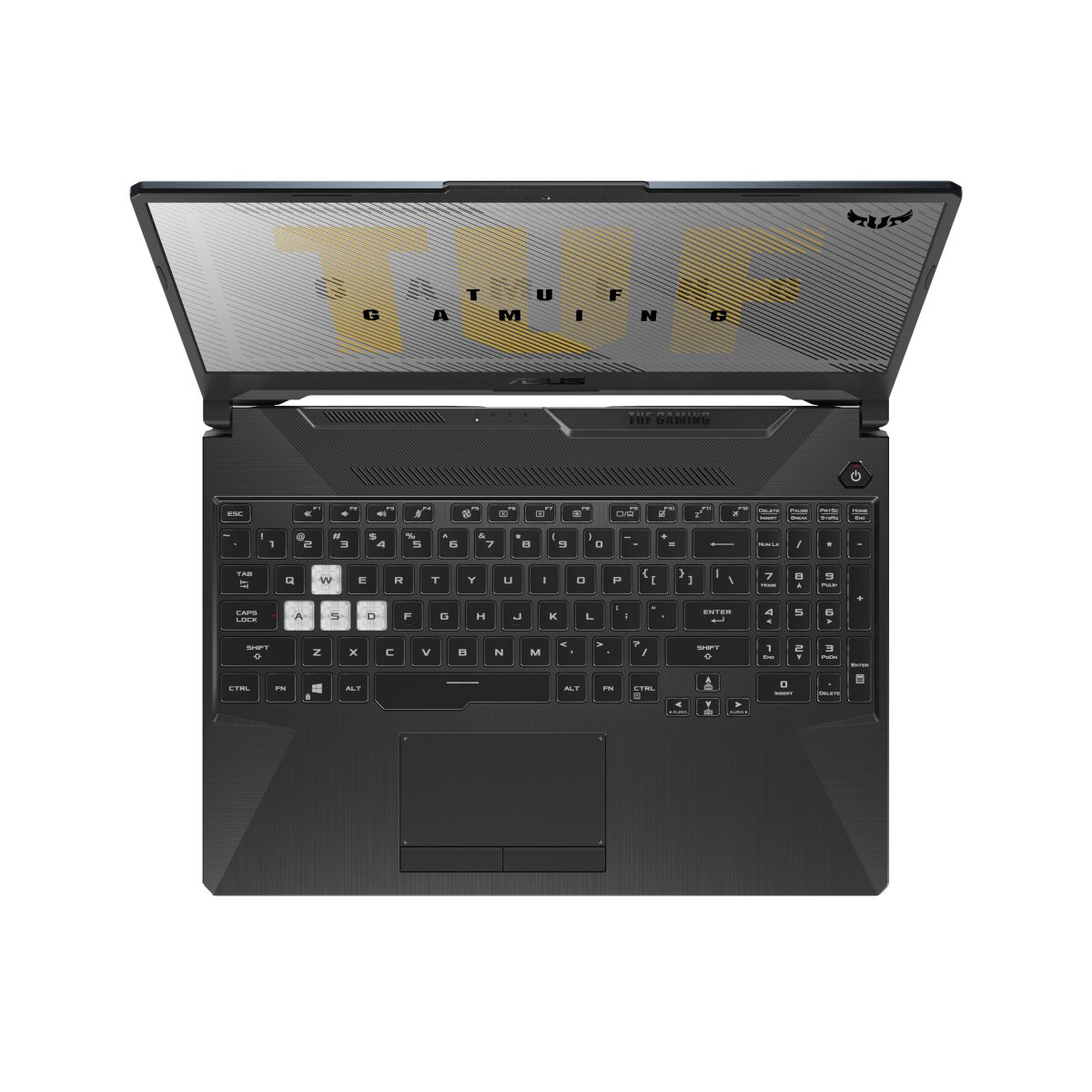
ASUS TUF Gaming A15 FX506II-HN221T laptop features two SO-DIMM slots supporting DDR4-SDRAM memory upgrades. Maximum compatible RAM capacity reaches 32 GB total. Memory specifications include DDR4-3200 MHz frequency support. Upgrade slots accommodate standard SO-DIMM form factor modules. Specifications enable memory expansion for enhanced multitasking and performance in gaming and professional applications.
Memory Upgrade Specifications
| Specification | Value |
|---|---|
| Memory slots | 2x SO-DIMM |
| Form factor | SO-DIMM |
| Memory type | DDR4-SDRAM |
| Frequency | 3200 MHz |
| Maximum RAM | 32 GB |
| Voltage | 1.2V |
| Number of pins | 260-pin |
| Interface | PC4 |
| PC Speed Rating | PC4-3200 (PC4-25600) |
| Bandwidth | 25.6 GB/s |
| Laptop Release date | 08 January 2021 |
Additional Notes
- The ASUS TUF Gaming FX506II-HN221T imposes a 16 GB per-slot ceiling, preventing the use of increasingly common 32 GB modules that would otherwise physically fit the SO-DIMM standard.
- DDR4-3200 represents the baseline frequency for this configuration, though higher-rated modules will downclock to match the motherboard's supported speed without causing instability.
- Dual-channel population requires matched module capacities across both slots to enable full bandwidth utilization, as asymmetric configurations force single-channel operation on the excess capacity.
- The 260-pin SO-DIMM specification excludes standard desktop DIMM modules despite identical DDR4 technology, as the physical length difference prevents socket engagement.
- Accessing both memory slots typically requires bottom panel removal, which may involve warranty seal displacement depending on regional service policies.
- Systems shipped with soldered memory components in combination with SO-DIMM slots would reduce available upgrade capacity below the 32 GB maximum, though this model uses exclusively socketed modules.
- Mixing different memory ranks (single-rank and dual-rank modules) can force the memory controller to operate at reduced command rates, introducing measurable latency penalties in bandwidth-sensitive workloads.
- CAS latency specifications beyond the JEDEC standard timings for DDR4-3200 (22-22-22) provide minimal real-world benefit unless the chipset supports XMP profile loading, which requires verification in BIOS settings.
- ECC SO-DIMM modules, while mechanically compatible, remain incompatible with consumer-grade memory controllers and will either fail POST or operate with error correction disabled.
- Thermal considerations become relevant at maximum 32 GB configuration under sustained memory-intensive operations, as the compact chassis design limits airflow around the SO-DIMM area.