ASUS TUF Gaming FX506IV-HN286T RAM upgrade specifications
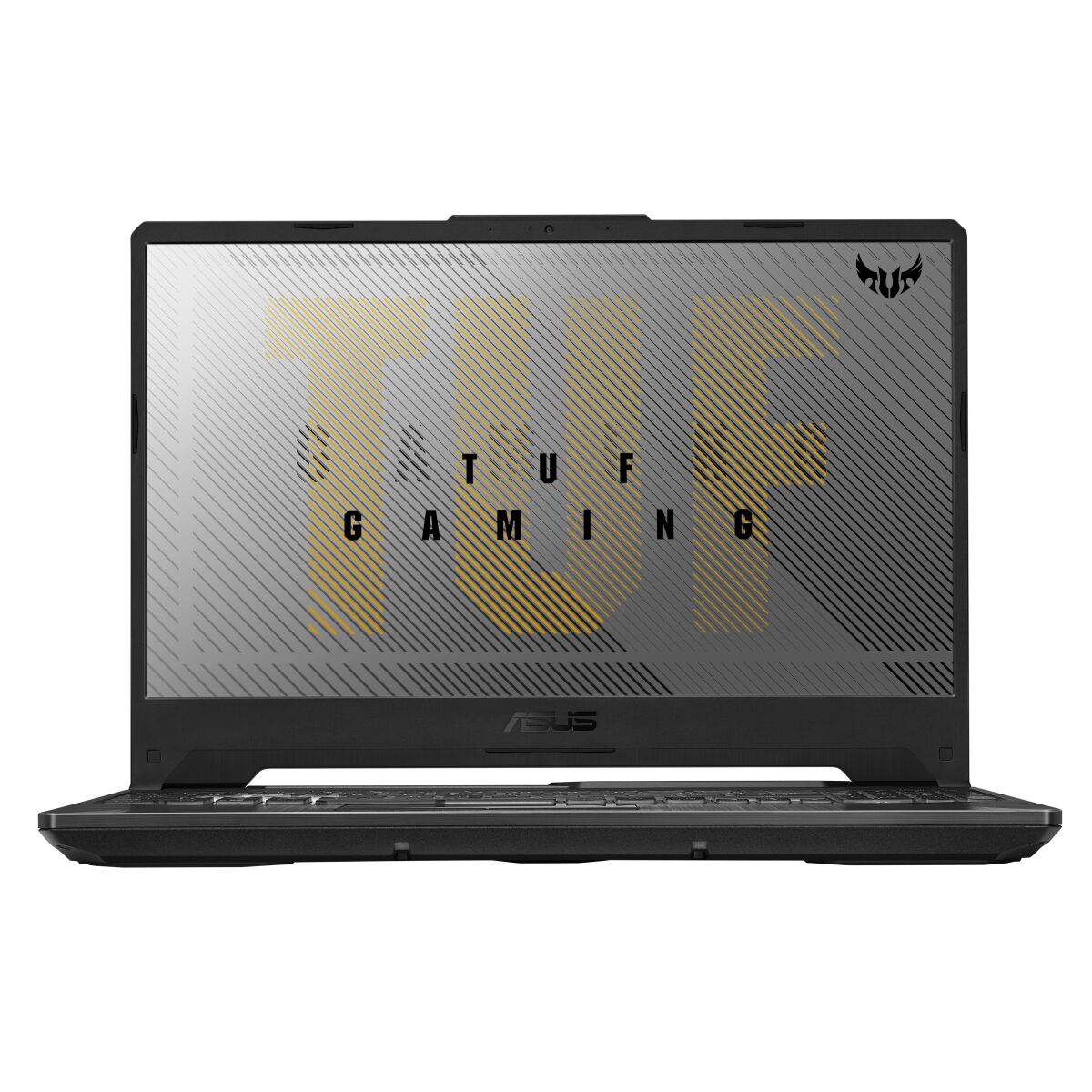
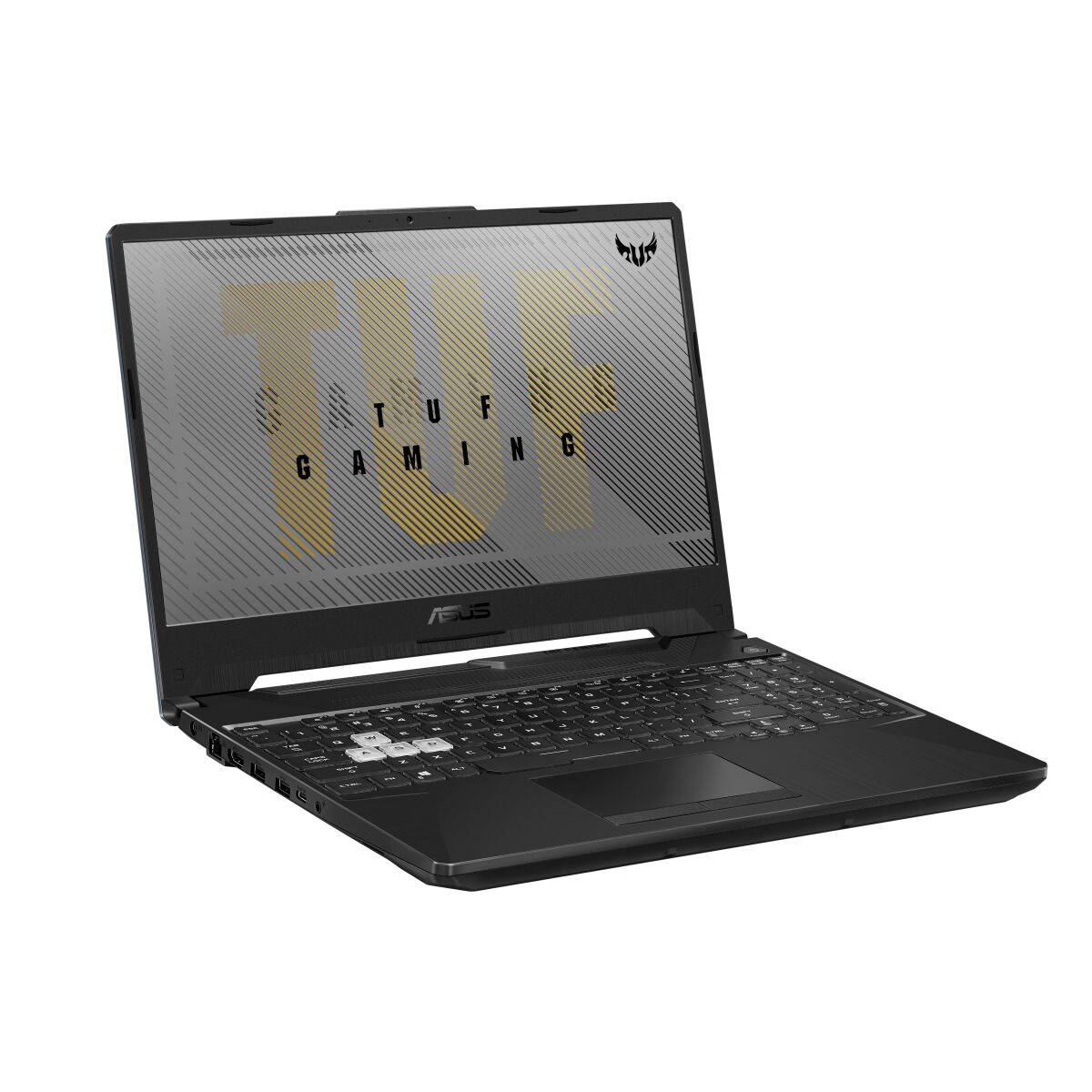
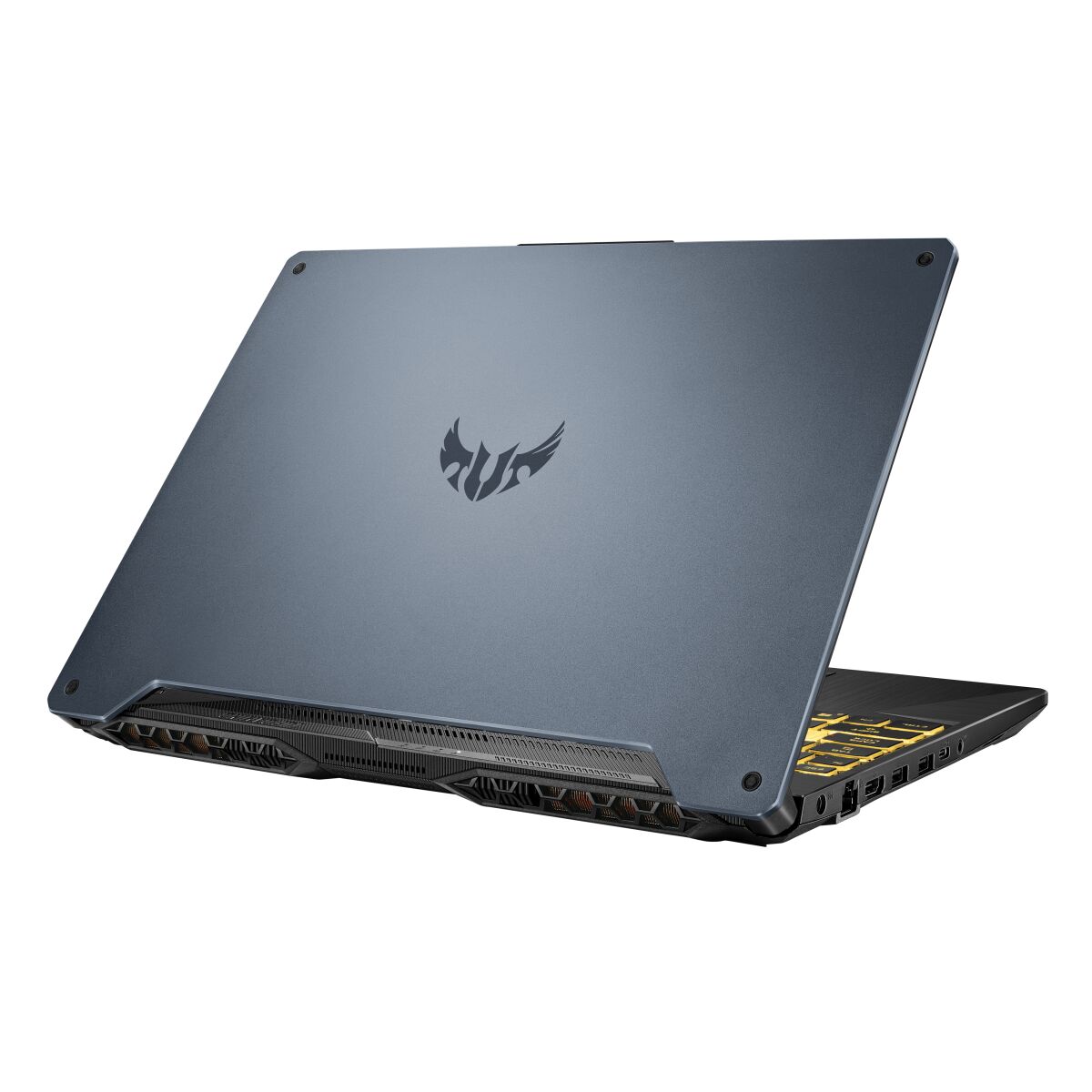
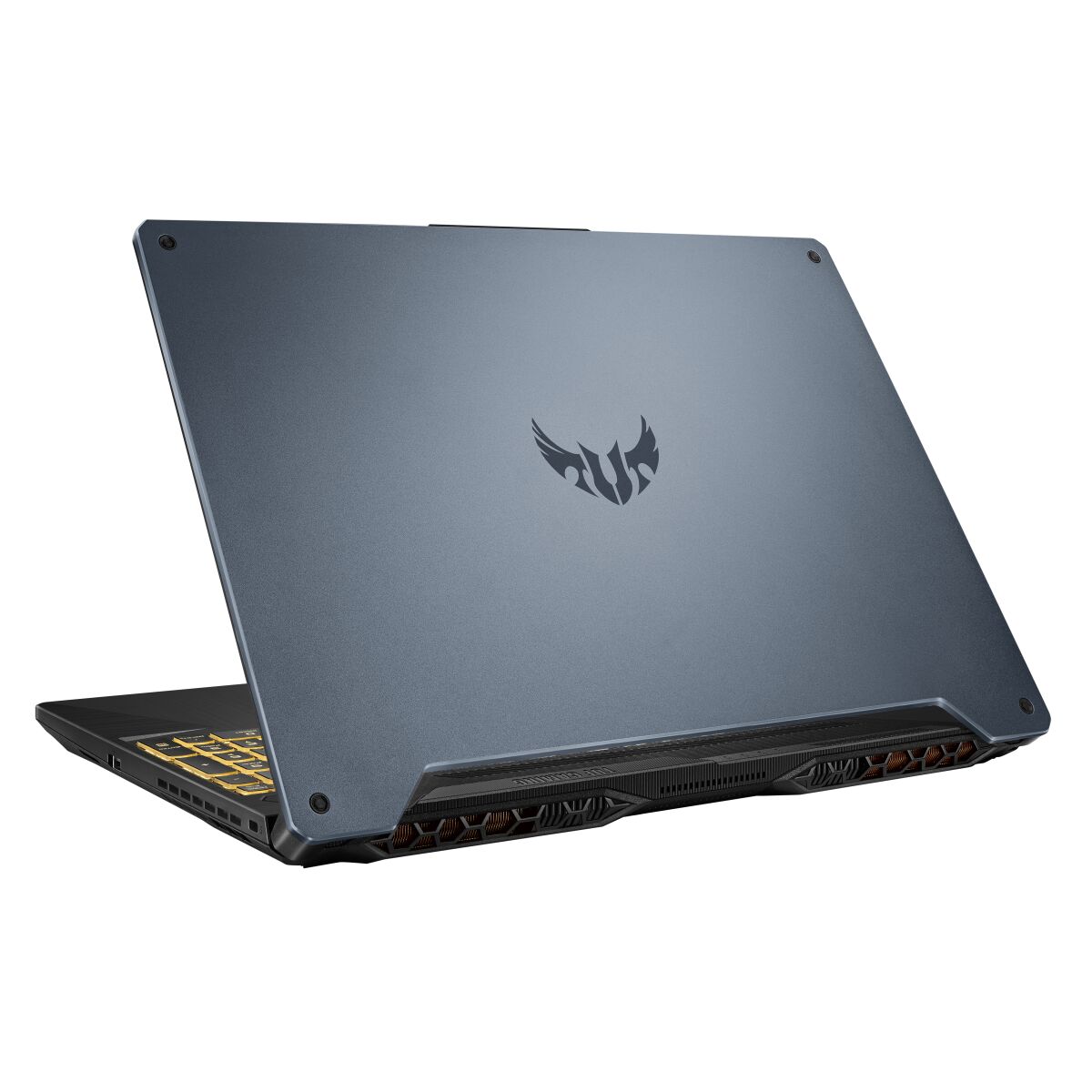
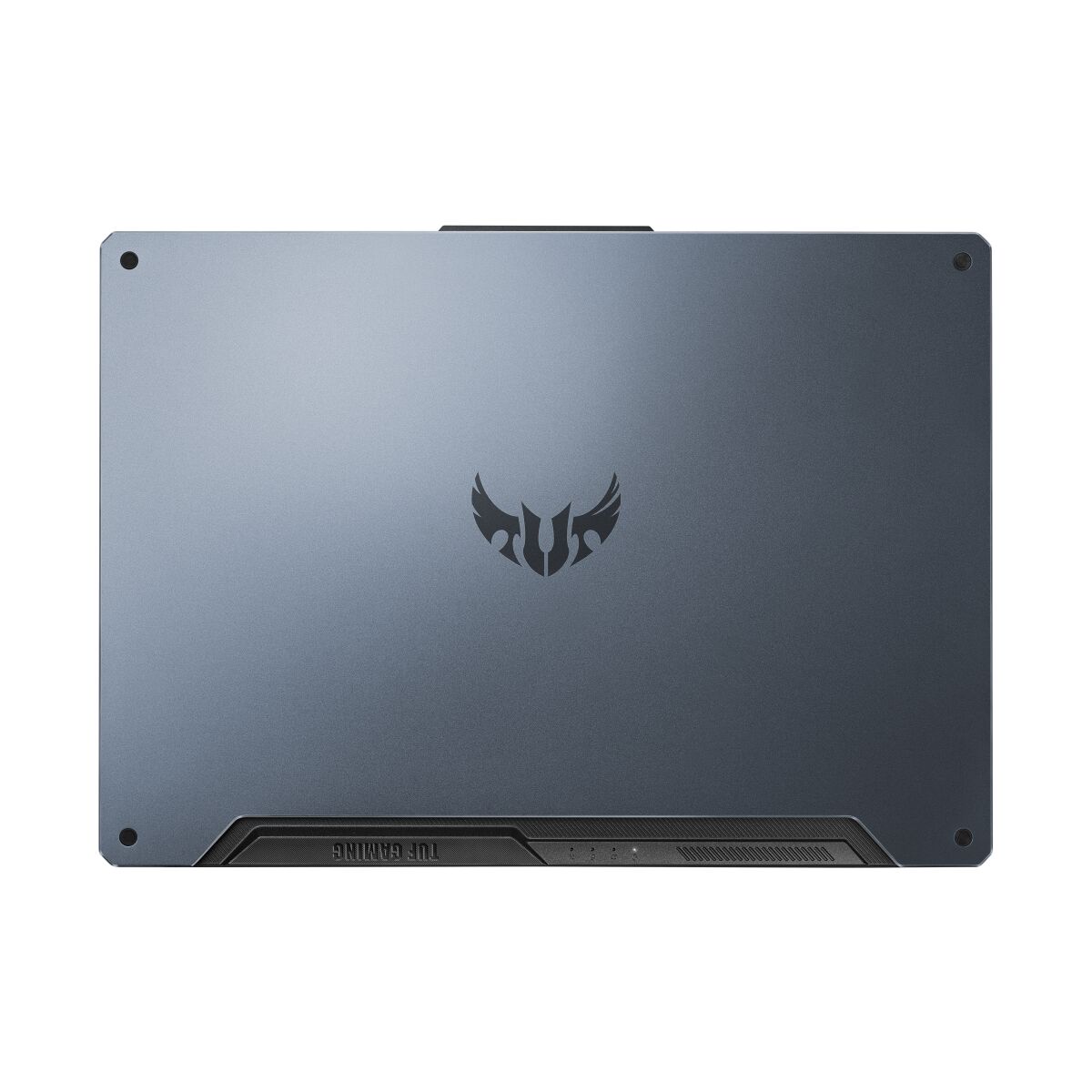
ASUS TUF Gaming A15 series model FX506IV-HN286T supports DDR4-SDRAM memory upgrade specifications. The laptop features 2 SO-DIMM slots with maximum capacity of 32 GB total RAM. Compatible memory modules operate at 3200 MHz frequency. The SO-DIMM form factor indicates small outline dual inline memory module configuration. Upgrade options allow installation of matching pairs totaling up to 32 GB across both available slots. Memory specifications enable enhanced multitasking performance and system responsiveness for gaming and professional applications.
Memory Upgrade Specifications
| Specification | Value |
|---|---|
| Memory slots | 2x SO-DIMM |
| Form factor | SO-DIMM |
| Memory type | DDR4-SDRAM |
| Frequency | 3200 MHz |
| Maximum RAM | 32 GB |
| Voltage | 1.2V |
| Number of pins | 260-pin |
| Interface | PC4 |
| PC Speed Rating | PC4-3200 (PC4-25600) |
| Bandwidth | 25.6 GB/s |
| Laptop Release date | 13 January 2021 |
Additional Notes
- The 2 SO-DIMM slot configuration in the ASUS TUF Gaming FX506IV-HN286T means both memory modules must be replaced simultaneously to reach the 32 GB maximum; single-slot upgrades cannot exceed the pre-installed capacity without removing existing RAM.
- DDR4-3200 MHz operation depends on JEDEC standard compatibility; third-party modules rated above 3200 MHz will downclock to 3200 MHz or lower, and mixing different speeds across the 2 slots may force the system to run at the lower frequency, creating a performance ceiling rather than additive benefit.
- The SO-DIMM form factor is exclusive to laptops and incompatible with desktop DDR4 memory; this constrains sourcing to mobile-specific inventory, which typically carries higher per-gigabyte costs than standard DIMM alternatives.
- Simultaneous operation of 2 memory modules at 3200 MHz generates higher electrical demand on the onboard voltage regulators compared to single-module configurations, potentially affecting thermal output and power draw under sustained workloads.
- The 32 GB ceiling limits future scalability; systems with intensive multitasking, virtual machine deployment, or memory-mapped applications may encounter hard capacity walls that cannot be bypassed through hardware refresh without replacing the entire motherboard assembly.
- Warranty coverage for RAM upgrades typically requires modules meeting manufacturer-approved specifications; using non-listed DDR4-3200 vendors may void memory-related support claims even if the hardware functions correctly.