ASUS TUF Gaming FX506IU-BQ414T RAM upgrade specifications


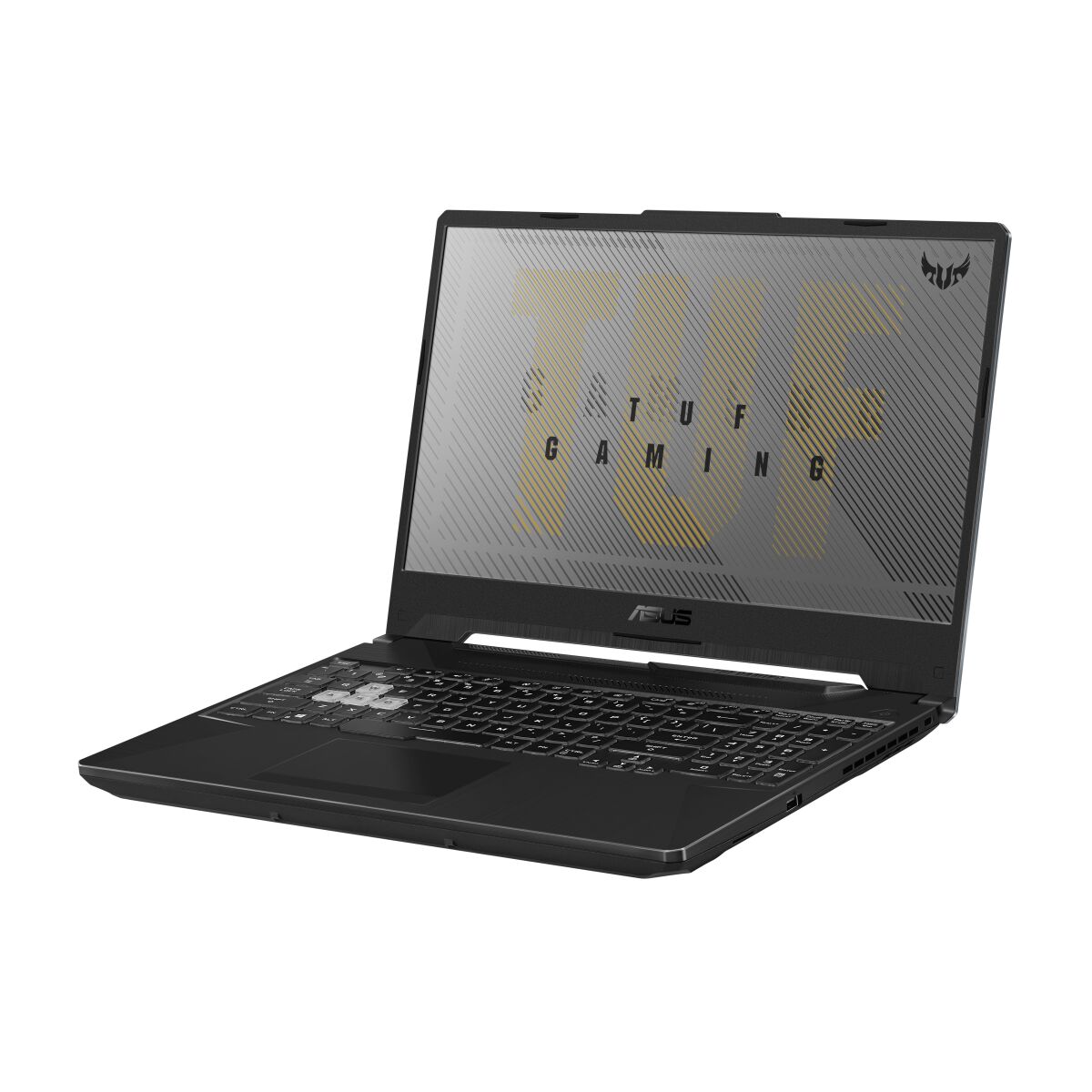
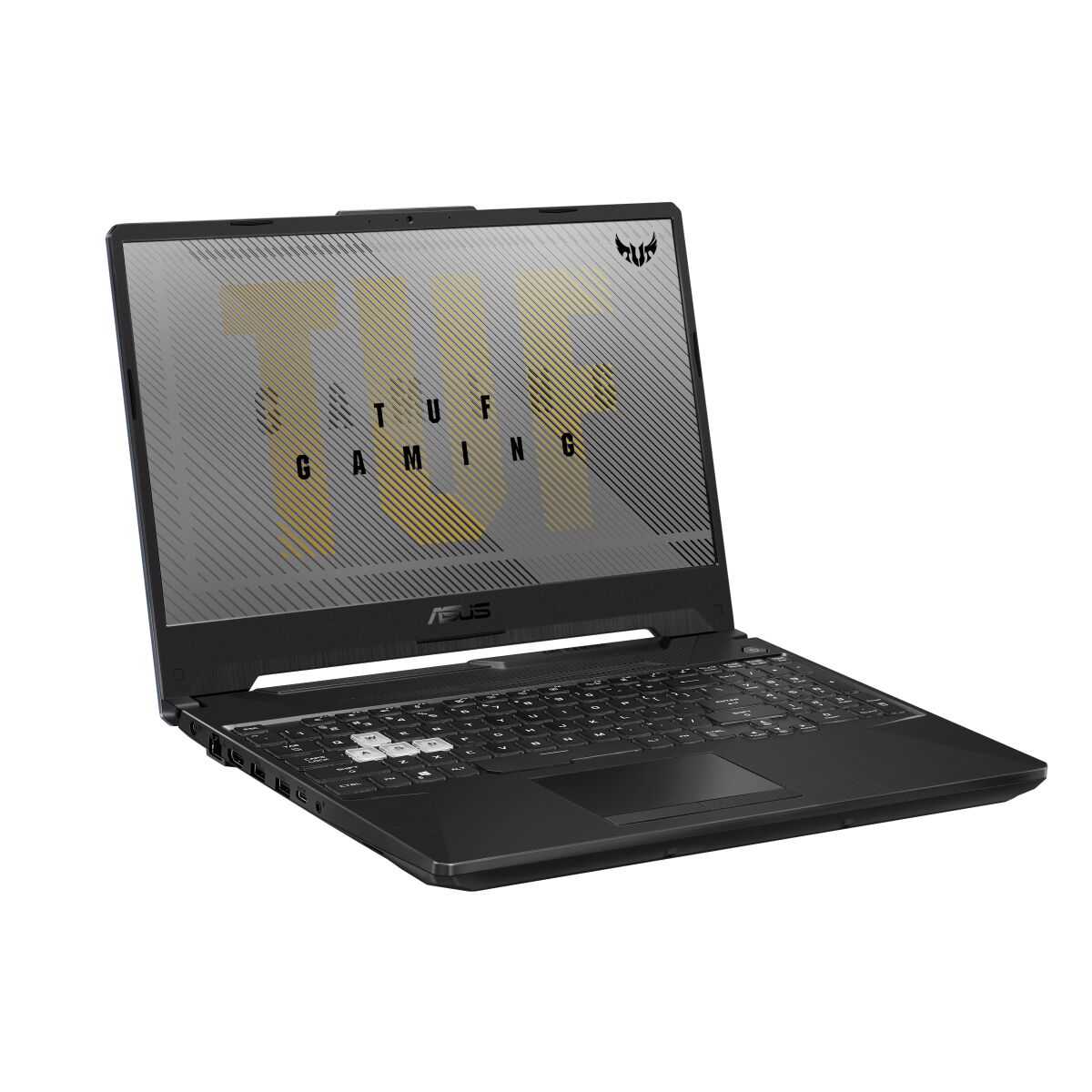
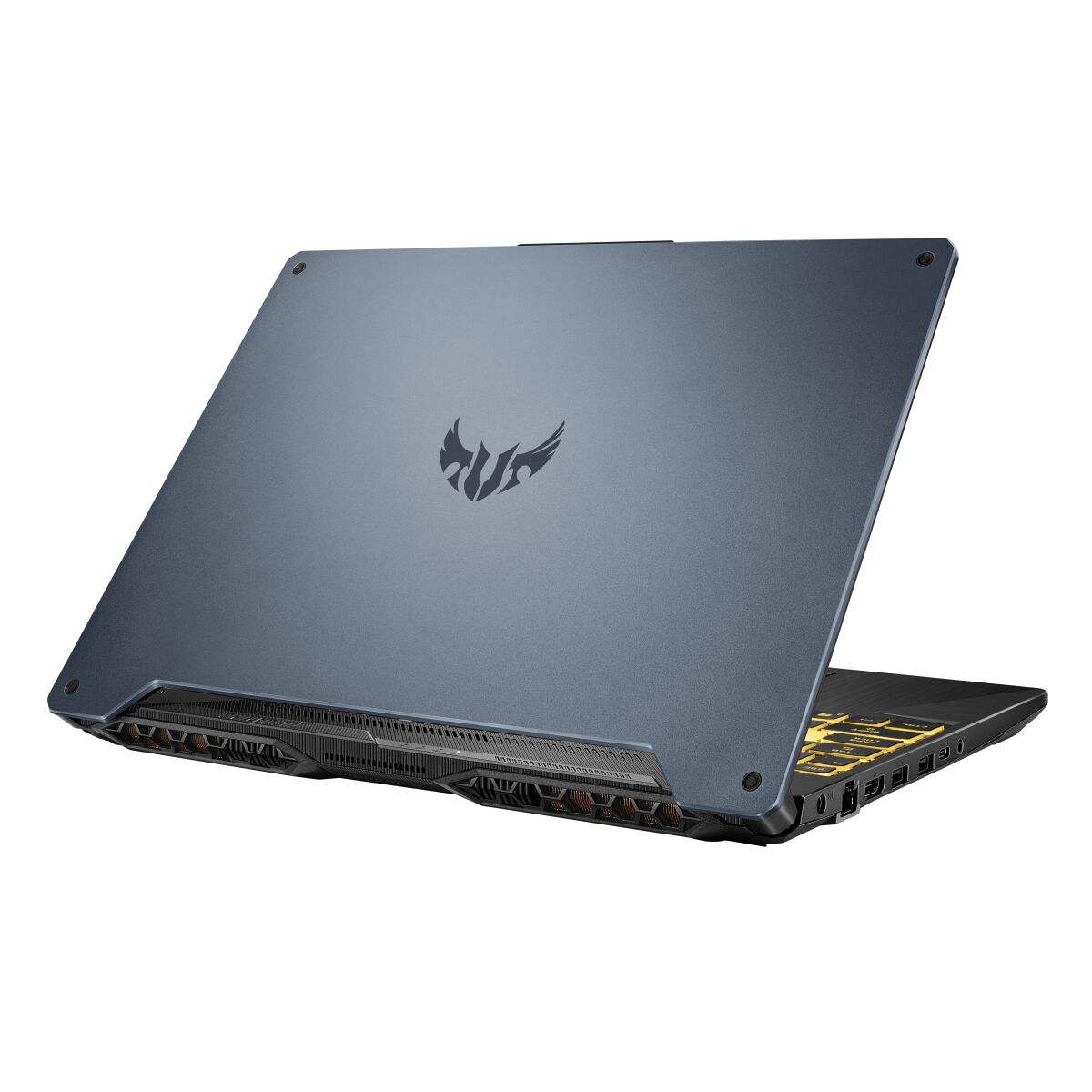
The ASUS TUF Gaming A15 FX506IU-BQ414T laptop features DDR4-SDRAM memory upgrade capability with 2x SO-DIMM slots. Compatible memory modules support operation at 3200 MHz frequency. Maximum supported RAM capacity reaches 32 GB, allowing significant memory expansion from the factory configuration. SO-DIMM form factor specifications ensure proper physical fit within the designated memory slots. Upgrade compatibility requires DDR4-SDRAM modules matching the stated frequency and form factor specifications for optimal performance and stability.
Memory Upgrade Specifications
| Specification | Value |
|---|---|
| Memory slots | 2x SO-DIMM |
| Form factor | SO-DIMM |
| Memory type | DDR4-SDRAM |
| Frequency | 3200 MHz |
| Maximum RAM | 32 GB |
| Voltage | 1.2V |
| Number of pins | 260-pin |
| Interface | PC4 |
| PC Speed Rating | PC4-3200 (PC4-25600) |
| Bandwidth | 25.6 GB/s |
| Laptop Release date | 12 October 2020 |
Additional Notes
- The ASUS TUF Gaming FX506IU-BQ414T relies on dual-channel SO-DIMM architecture, meaning single-stick configurations will operate in single-channel mode with approximately half the memory bandwidth potential.
- DDR4-3200 represents the native JEDEC specification, eliminating the need for XMP profile activation that could void mobile platform warranties.
- The 32 GB ceiling translates to a maximum 16 GB per slot, requiring identical capacity modules to maintain dual-channel symmetry.
- SO-DIMM modules measure 67.6 mm in length compared to desktop DIMM's 133.35 mm, preventing physical installation of standard desktop memory.
- Mixing modules with different speeds will force all installed memory to operate at the frequency of the slowest module installed.
- Operating voltage for DDR4-3200 SO-DIMM typically requires 1.2V, with higher-voltage modules potentially causing thermal throttling in confined laptop chassis.
- Accessing the memory slots likely requires complete bottom panel removal, as opposed to dedicated access doors common in older laptop designs.
- Populating both slots fully eliminates future upgrade paths without discarding existing modules.
- Rank configuration affects compatibility, with dual-rank modules potentially offering marginal performance benefits but requiring verification against motherboard specifications.
- CAS latency variations at 3200 MHz typically range from CL19 to CL22, with lower values providing reduced latency at identical frequency.
- Aftermarket installations may require BIOS updates to ensure proper module recognition and stability at rated speeds.
- Non-ECC unbuffered modules represent the standard for this platform, as ECC registered memory remains incompatible with consumer mobile chipsets.