ASUS TUF Gaming FX506IV-HN286T-BE RAM upgrade specifications

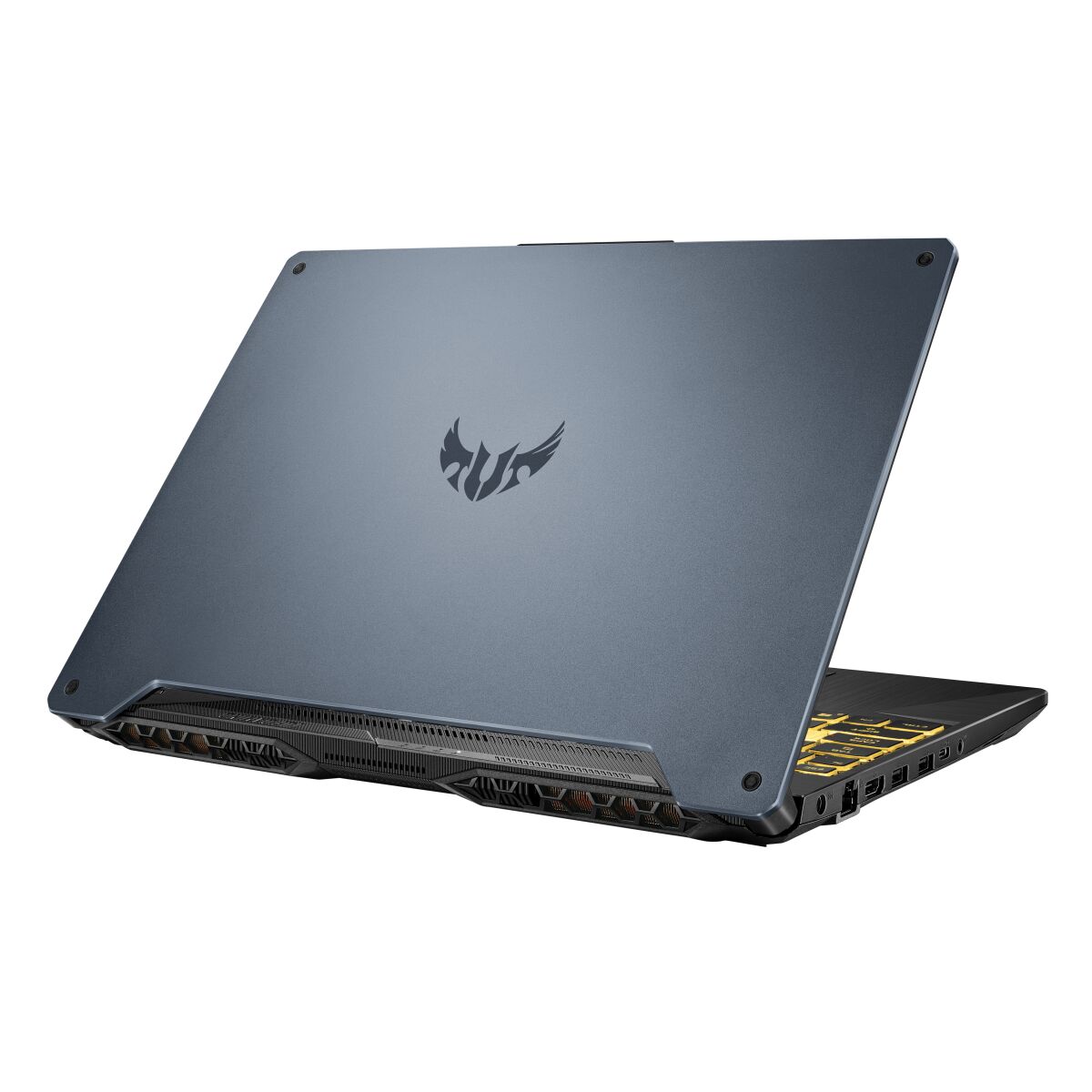
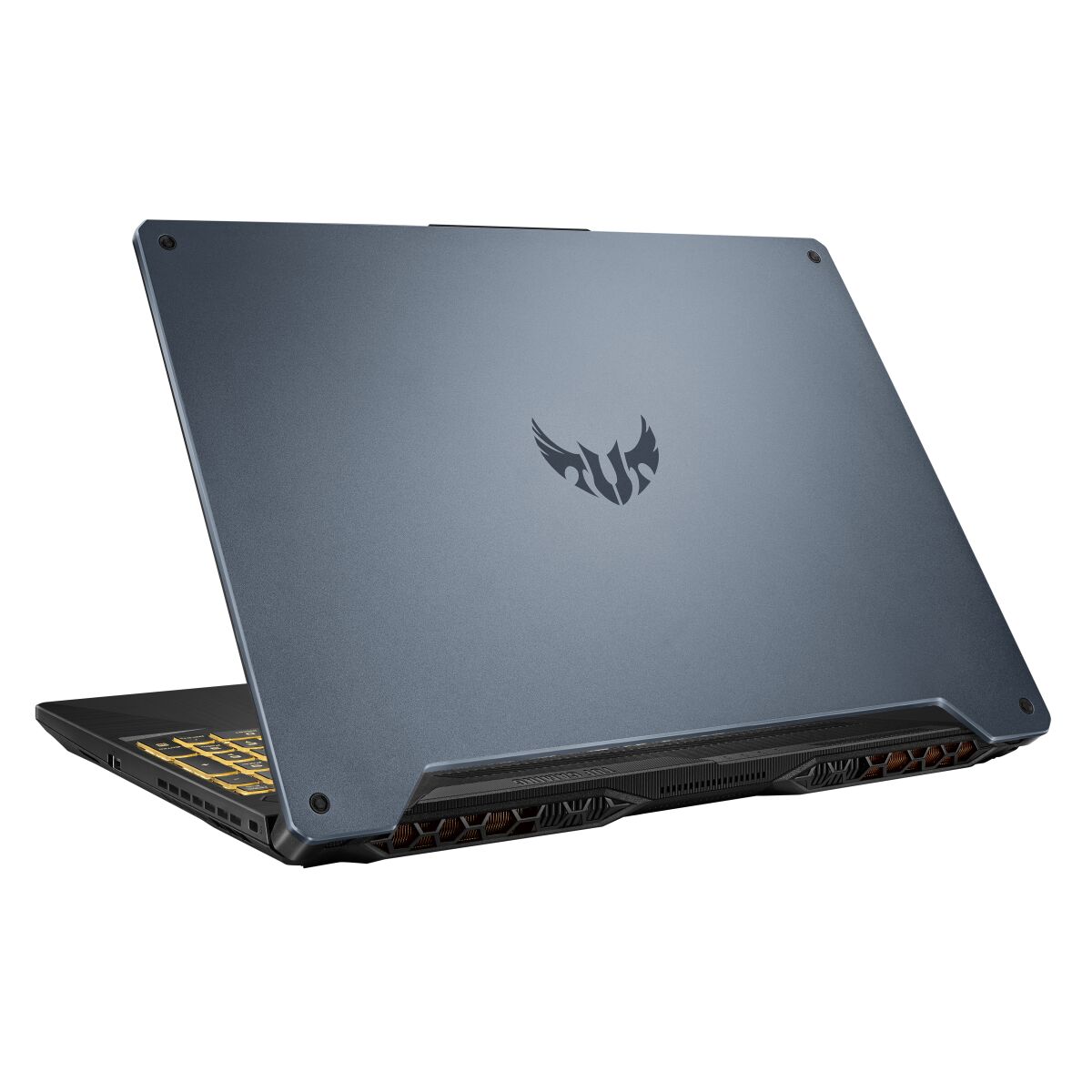
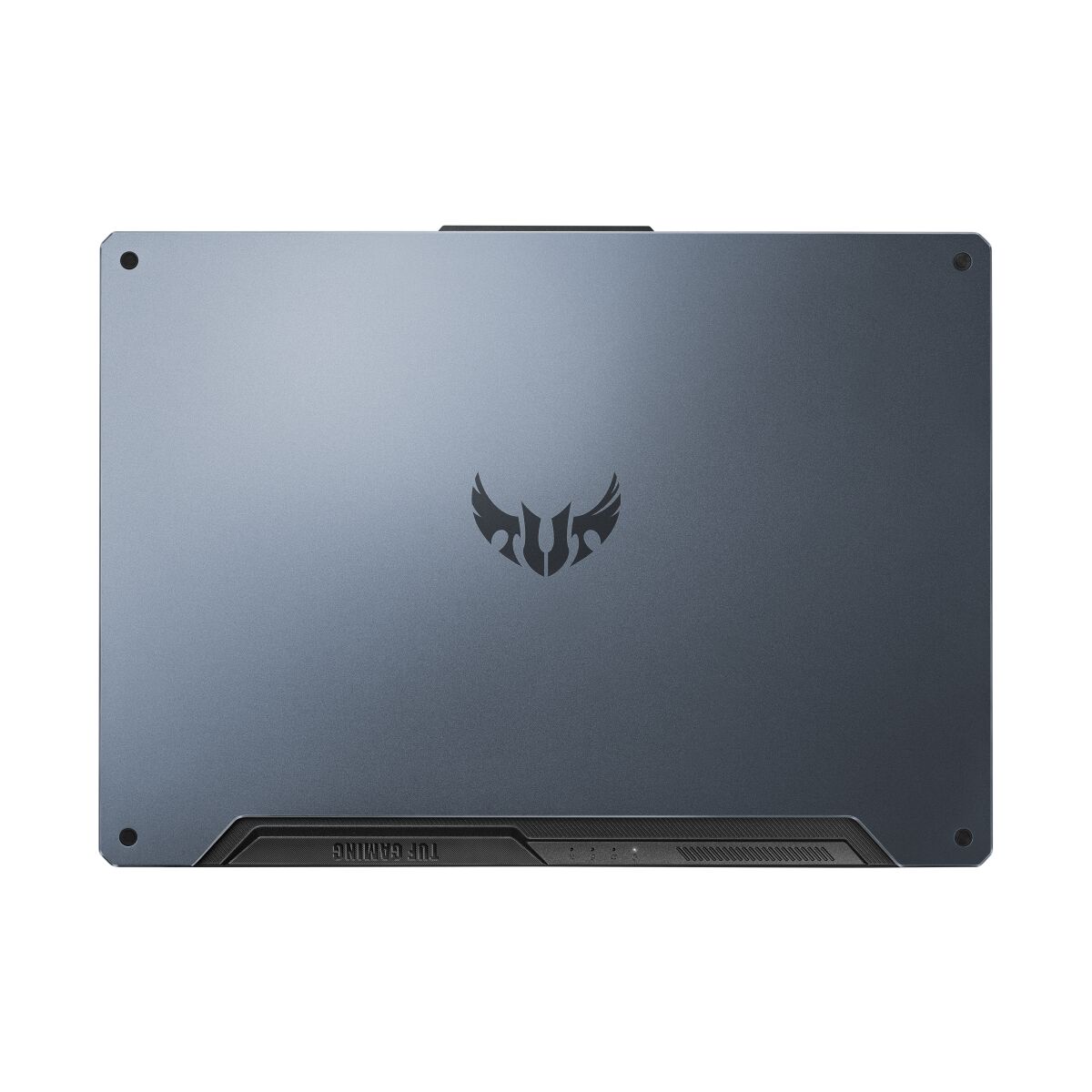
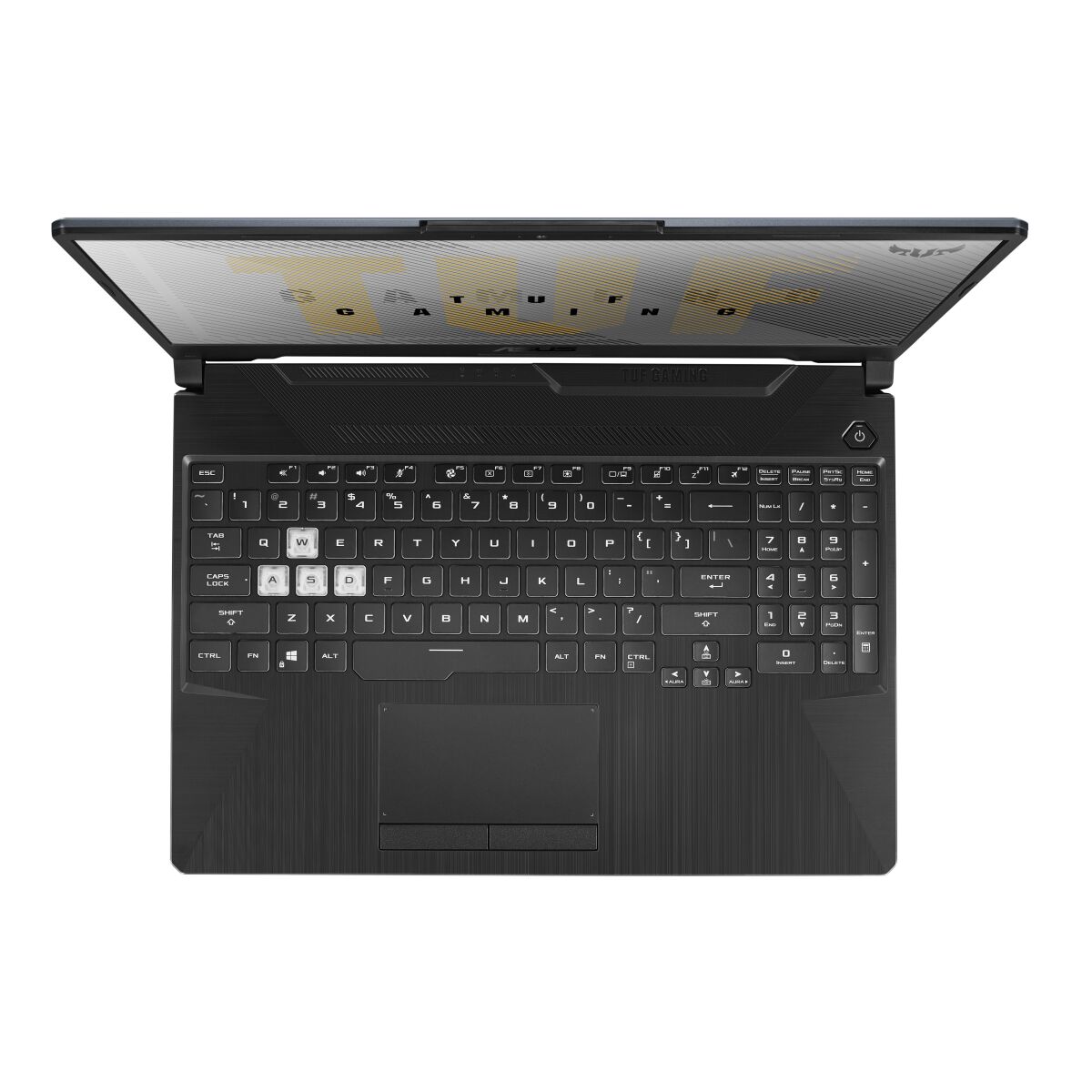
The ASUS TUF Gaming A15 FX506IV-HN286T-BE features DDR4-SDRAM memory upgradeable through two SO-DIMM slots. The laptop supports maximum RAM capacity of 32 GB total, with compatible modules operating at 3200 MHz frequency. Memory upgrades utilize the SO-DIMM form factor specification, allowing expansion of the existing memory configuration to enhance system performance and multitasking capabilities.
Memory Upgrade Specifications
| Specification | Value |
|---|---|
| Memory slots | 2x SO-DIMM |
| Form factor | SO-DIMM |
| Memory type | DDR4-SDRAM |
| Frequency | 3200 MHz |
| Maximum RAM | 32 GB |
| Voltage | 1.2V |
| Number of pins | 260-pin |
| Interface | PC4 |
| PC Speed Rating | PC4-3200 (PC4-25600) |
| Bandwidth | 25.6 GB/s |
| Laptop Release date | 13 January 2021 |
Additional Notes
- The DDR4-3200 specification requires modules rated for PC4-25600 transfer rates to maintain compatibility with the ASUS TUF Gaming FX506IV-HN286T-BE chipset timing parameters.
- Dual-channel operation requires matched module pairs installed across both slots to enable the full 128-bit memory bus width, otherwise single-channel mode halves theoretical bandwidth to 25.6 GB/s.
- The 32 GB maximum capacity constraint limits configurations to either 2x16 GB matched pairs or asymmetric combinations where total installed memory cannot exceed this ceiling.
- Non-ECC unbuffered modules are mandatory for SO-DIMM slots in consumer gaming platforms, as registered or error-correcting memory types will cause POST failures.
- Mixing different module capacities between slots typically forces the memory controller to operate all installed capacity at the speed and timings of the slowest module present.
- User-accessible SO-DIMM slots on gaming laptops typically preserve manufacturer warranty coverage when using compatible specifications, unlike soldered memory configurations that prevent post-purchase modifications.
- The 3200 MHz native frequency eliminates reliance on XMP or overclocking profiles, ensuring plug-and-play operation without BIOS adjustments or stability risks from profile loading failures.
- Upgrading from single-channel factory configurations to dual-channel matched pairs often yields measurable performance gains in GPU-integrated workloads where system memory serves as shared graphics buffer space.
- Physical clearance in gaming laptop chassis restricts module height to standard SO-DIMM profiles, excluding desktop DIMM form factors or modules with oversized heat spreaders that exceed 30mm total height.
- Operating voltage for DDR4 modules standardizes at 1.2V, though mixing standard and low-voltage variants may cause the memory controller to default to conservative timings that reduce effective throughput.