ASUS TUF Gaming FX506LU-HN036T RAM upgrade specifications

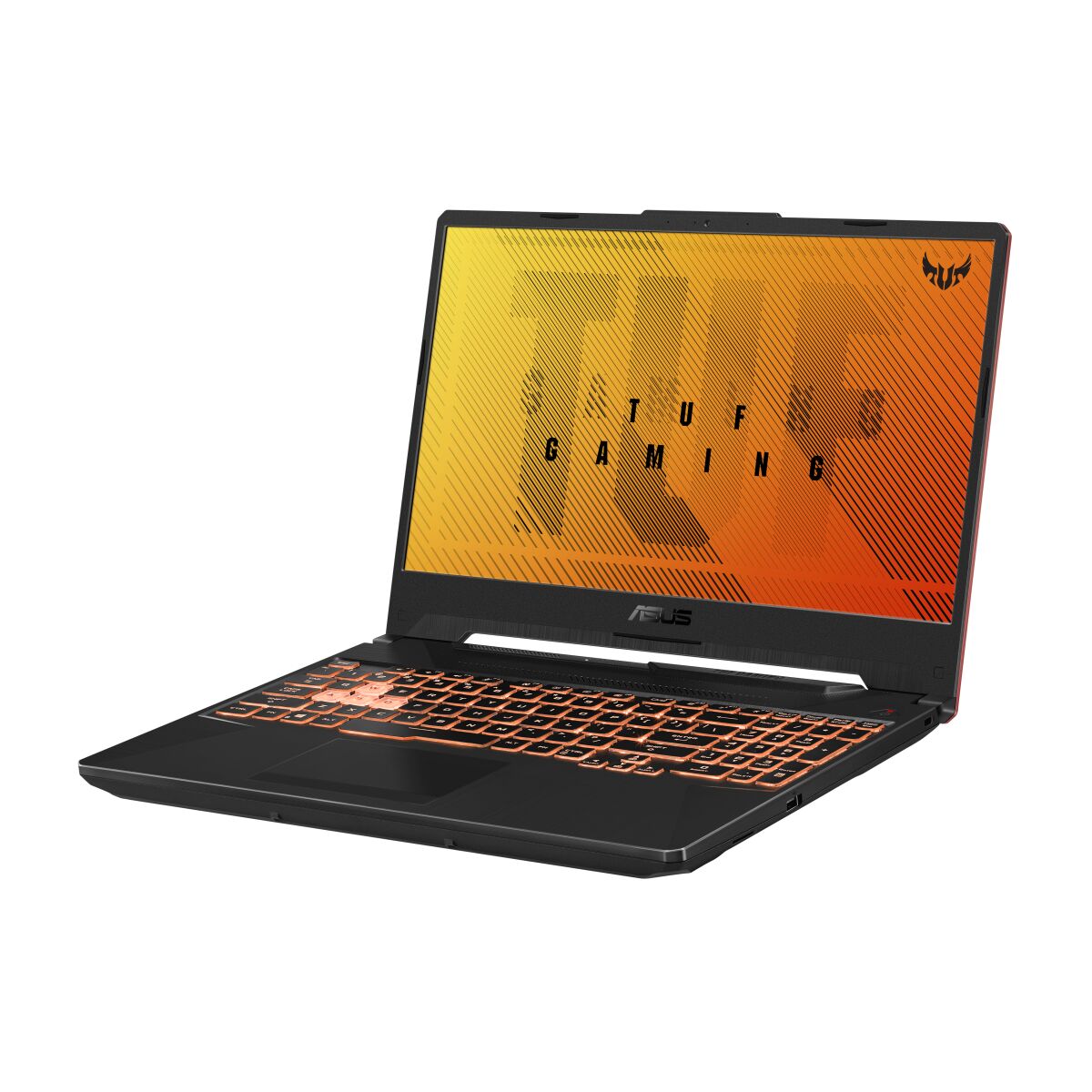



The ASUS TUF Gaming FX506LU-HN036T features DDR4-SDRAM memory specifications with two SO-DIMM slots for RAM upgrade capability. The laptop supports a maximum memory capacity of 32 GB total, operating at 3200 MHz frequency. The memory configuration combines on-board and SO-DIMM modules, allowing users to expand the existing RAM by installing compatible DDR4 modules into the available slots. The A15 series model accommodates standard laptop memory specifications for enhanced multitasking and performance applications.
Memory Upgrade Specifications
| Specification | Value |
|---|---|
| Memory slots | 2x SO-DIMM |
| Form factor | On-board + SO-DIMM |
| Memory type | DDR4-SDRAM |
| Frequency | 3200 MHz |
| Maximum RAM | 32 GB |
| Voltage | 1.2V |
| Number of pins | 260-pin |
| Interface | PC4 |
| PC Speed Rating | PC4-3200 (PC4-25600) |
| Bandwidth | 25.6 GB/s |
| Laptop Release date | 13 January 2021 |
Additional Notes
- The ASUS TUF Gaming FX506LU-HN036T contains 1 soldered SO-DIMM module on the motherboard, meaning only 1 of the 2 available slots accepts user-replaceable memory. Maximum addressable capacity reaches 32 GB only if the factory-soldered module remains in place during any upgrade operation.
- DDR4-3200 modules operate at a fixed voltage ceiling of 1.35 volts under JEDEC specifications. Aftermarket modules rated above this threshold risk triggering hardware protection mechanisms or causing memory training failures during boot, even if advertised for gaming systems.
- SO-DIMM form factor imposes strict physical clearance limits around the upgrade slot. Tall heatspreader designs on premium memory modules may contact the cooling assembly or keyboard mechanism, preventing full seating. Low-profile variants are mandatory for reliable installation.
- The 2-slot architecture creates a performance asymmetry if a second module is added. Dual-channel bandwidth becomes available only when both slots contain matched speed and capacity modules; mismatched configurations force single-channel operation on the upgrade module, reducing throughput by approximately 50 percent relative to symmetrical configurations.
- Memory frequency negotiation depends on SPD timing compatibility between soldered and slotted components. If the factory module uses proprietary timing tables, third-party DDR4-3200 modules with standard timings may clock down to 2933 MHz or 2666 MHz during POST, degrading effective bandwidth despite rated specifications matching the chipset support.
- Warranty preservation requires verification that any replacement module meets ASUS qualification standards before installation. Mixing OEM-sourced SO-DIMM modules with retail aftermarket stock creates a mixed-provenance scenario where hardware failure attribution becomes disputed, potentially voiding coverage on the system.