ASUS TUF Gaming FX506QM-HN052T RAM upgrade specifications
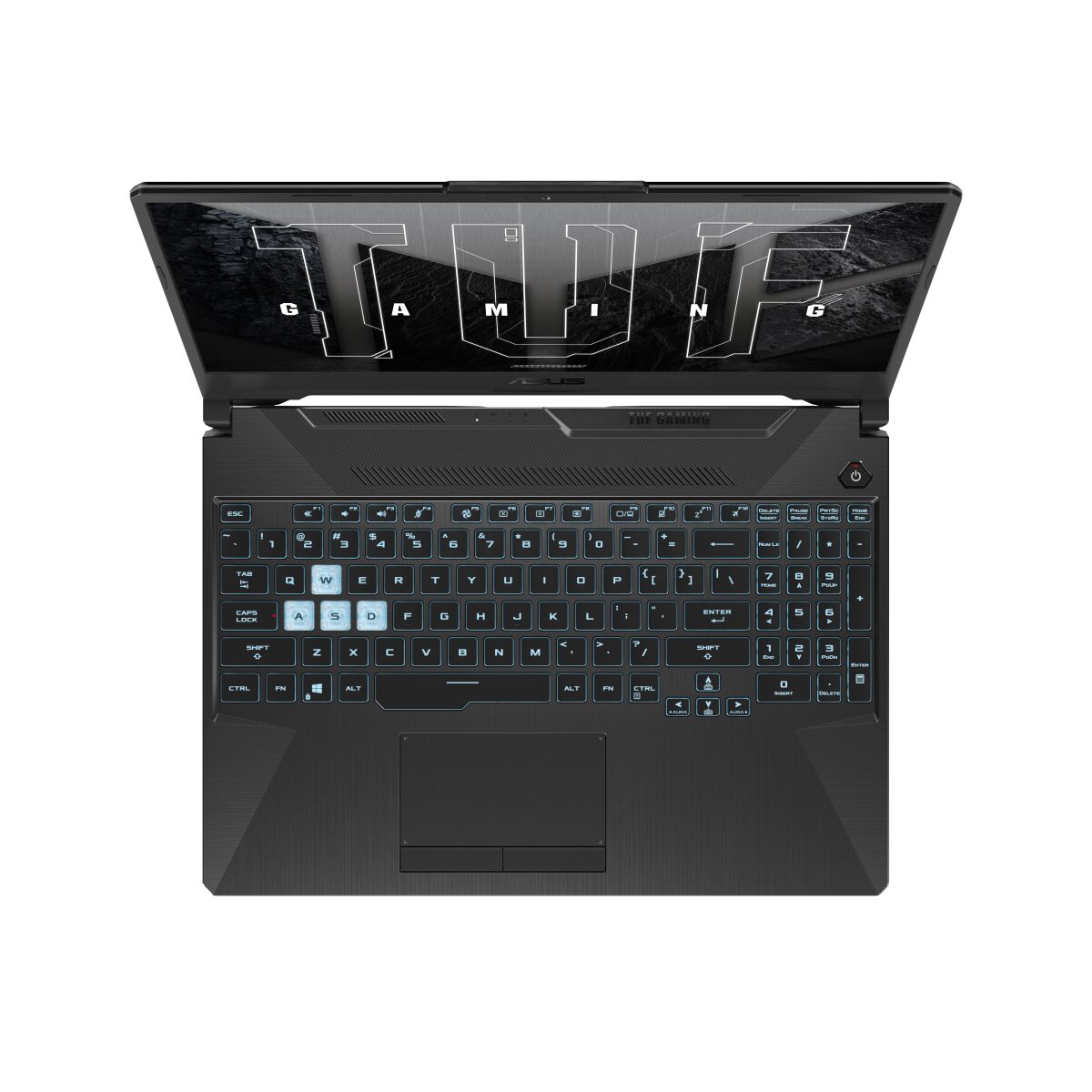

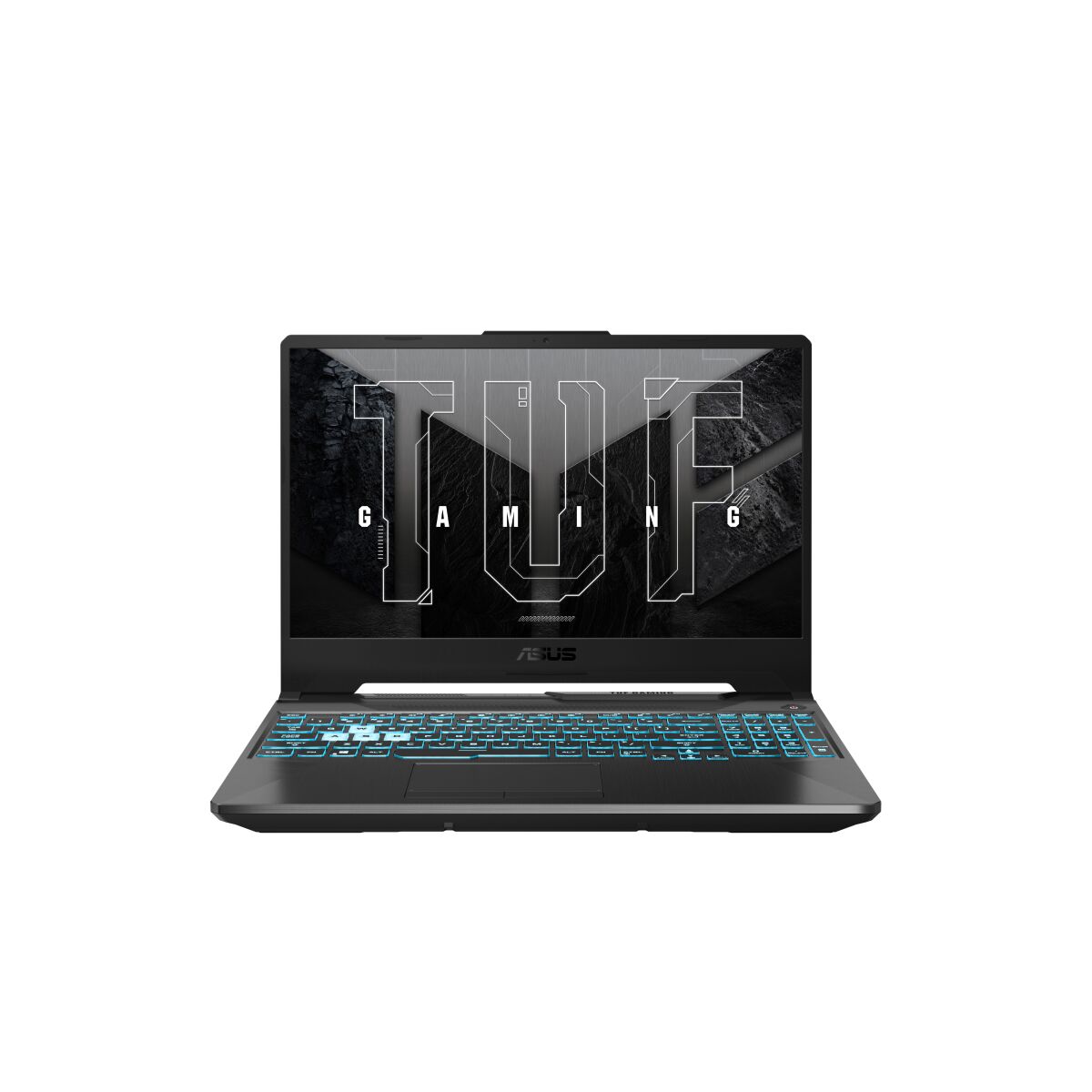


ASUS TUF Gaming A15 FX506QM-HN052T supports DDR4-SDRAM memory upgrades across two SO-DIMM slots. Maximum RAM capacity reaches 32 GB total. Compatible memory operates at 3200 MHz frequency. Upgrade specifications indicate SO-DIMM form factor modules are required for this gaming laptop model. Current memory configuration and available slot capacity determine upgrade potential for enhanced multitasking performance.
Memory Upgrade Specifications
| Specification | Value |
|---|---|
| Memory slots | 2x SO-DIMM |
| Form factor | SO-DIMM |
| Memory type | DDR4-SDRAM |
| Frequency | 3200 MHz |
| Maximum RAM | 32 GB |
| Voltage | 1.2V |
| Number of pins | 260-pin |
| Interface | PC4 |
| PC Speed Rating | PC4-3200 (PC4-25600) |
| Bandwidth | 25.6 GB/s |
| Laptop Release date | 14 January 2021 |
Additional Notes
- The ASUS TUF Gaming FX506QM-HN052T utilizes standard SO-DIMM slots rather than soldered memory, enabling user-accessible RAM upgrades without specialized desoldering equipment or factory-level tools.
- DDR4-3200 represents the effective data transfer rate supported by the memory controller, while the actual base clock operates at 1600 MHz with double data rate technology transmitting data on both rising and falling clock edges.
- The 32 GB maximum capacity constraint originates from the chipset's memory controller limitations rather than physical slot restrictions, preventing recognition of higher-density modules even if physically compatible.
- Mixing RAM modules with different speeds will force all modules to operate at the frequency of the slowest installed stick, potentially underutilizing faster modules rated above 3200 MHz.
- Dual SO-DIMM configuration enables dual-channel memory architecture when two identical modules are installed, effectively doubling memory bandwidth compared to single-channel operation with one populated slot.
- Installing non-matching RAM capacities across the 2 slots will result in asymmetric dual-channel mode, where only the matched portion operates in dual-channel while the excess capacity on the larger module defaults to slower single-channel mode.
- DDR4 SO-DIMM modules operate at 1.2V standard voltage, and alternative voltage modules such as low-voltage DDR4L may encounter stability issues or refuse to initialize despite physical compatibility.
- The memory controller typically supports JEDEC standard timings for 3200 MHz operation, while modules with XMP profiles may not activate their advertised lower latencies without BIOS support for profile loading.
- Warranty preservation requires avoiding damage to the module retention clips during installation, as bent or broken clips will prevent secure module seating and may void coverage if inspection reveals user-induced mechanical damage.
- CAS latency specifications become increasingly critical at 3200 MHz speeds, where CL22 modules introduce approximately 13.75 nanoseconds of latency versus 12.5 nanoseconds for CL20 modules, affecting memory-sensitive workloads.
- The SO-DIMM form factor measures 67.6mm in length compared to 133.35mm for desktop DIMM modules, physically preventing installation of standard desktop RAM despite identical DDR4 electrical specifications.
- Memory modules with tall heat spreaders may create clearance conflicts with the laptop's internal chassis or cooling assembly, restricting compatibility to standard-height SO-DIMM modules without aftermarket thermal solutions.
- Population of both slots generates additional heat within the confined laptop memory bay compared to single-module configurations, potentially triggering thermal throttling during sustained memory-intensive operations if ambient cooling proves insufficient.