ASUS TUF Gaming FX506HC-HN102 RAM upgrade specifications

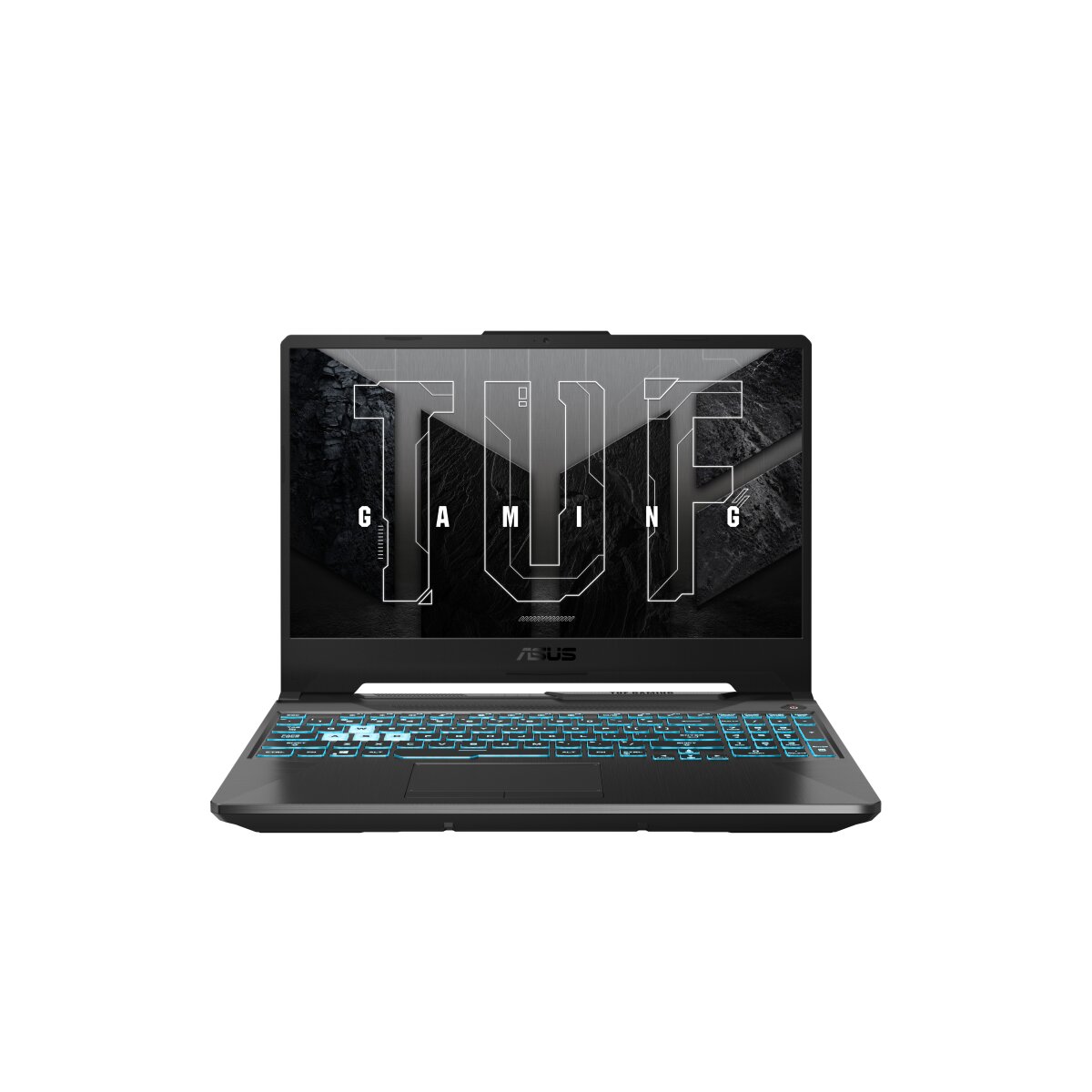



ASUS TUF Gaming F15 FX506HC-HN102 laptop upgrade specifications detail DDR4-SDRAM memory compatibility. The machine features two SO-DIMM slots supporting maximum RAM capacity of 32 GB total. Memory operates at 3200 MHz frequency. Specifications indicate compatible DDR4 modules in SO-DIMM form factor for system expansion. Current and prospective RAM upgrades must align with DDR4-SDRAM standards and 3200 MHz specifications to ensure compatibility with this FX506HC-HN102 model.
Memory Upgrade Specifications
| Specification | Value |
|---|---|
| Memory slots | 2x SO-DIMM |
| Form factor | SO-DIMM |
| Memory type | DDR4-SDRAM |
| Frequency | 3200 MHz |
| Maximum RAM | 32 GB |
| Voltage | 1.2V |
| Number of pins | 260-pin |
| Interface | PC4 |
| PC Speed Rating | PC4-3200 (PC4-25600) |
| Bandwidth | 25.6 GB/s |
| Laptop Release date | 04 February 2022 |
Additional Notes
- The ASUS TUF Gaming FX506HC-HN102 requires SO-DIMM modules, which are physically incompatible with standard DIMM desktop memory due to the 260-pin versus 288-pin connector difference.
- The 32 GB maximum capacity constraint is enforced by the chipset and BIOS, meaning installation of higher-density modules will either fail POST or be recognized only up to the 32 GB threshold.
- Both memory slots support dual-channel operation, which doubles the effective bandwidth from 25.6 GB/s per channel to 51.2 GB/s total when populated with matching modules.
- Mixing modules with different speeds will force all installed memory to operate at the frequency of the slowest module, negating any performance benefit from higher-rated RAM.
- The 3200 MHz specification corresponds to DDR4-3200 or PC4-25600 in alternative naming conventions, critical for ensuring compatibility when sourcing third-party modules.
- DDR4 voltage standards typically operate at 1.2V, and modules exceeding this specification may cause stability issues or require manual BIOS voltage adjustment if supported.
- Accessing the SO-DIMM slots requires removal of the bottom panel, which may involve breaking warranty seals depending on regional warranty policies and manufacturing date.
- Single-rank versus dual-rank module architecture affects memory interleaving efficiency, with dual-rank configurations potentially offering marginal performance gains in memory-intensive workloads.
- Non-ECC unbuffered modules are standard for this consumer platform, as ECC or registered memory types are incompatible with the motherboard architecture.
- CAS latency timings interact with the 3200 MHz frequency to determine actual memory responsiveness, with CL16 representing a balanced specification for this speed grade.
- Asymmetric configurations such as 8 GB plus 16 GB will still enable dual-channel mode through flex mode technology, though only up to the capacity of the smaller module doubled.