ASUS TUF Gaming FX506HC-HN099T RAM upgrade specifications
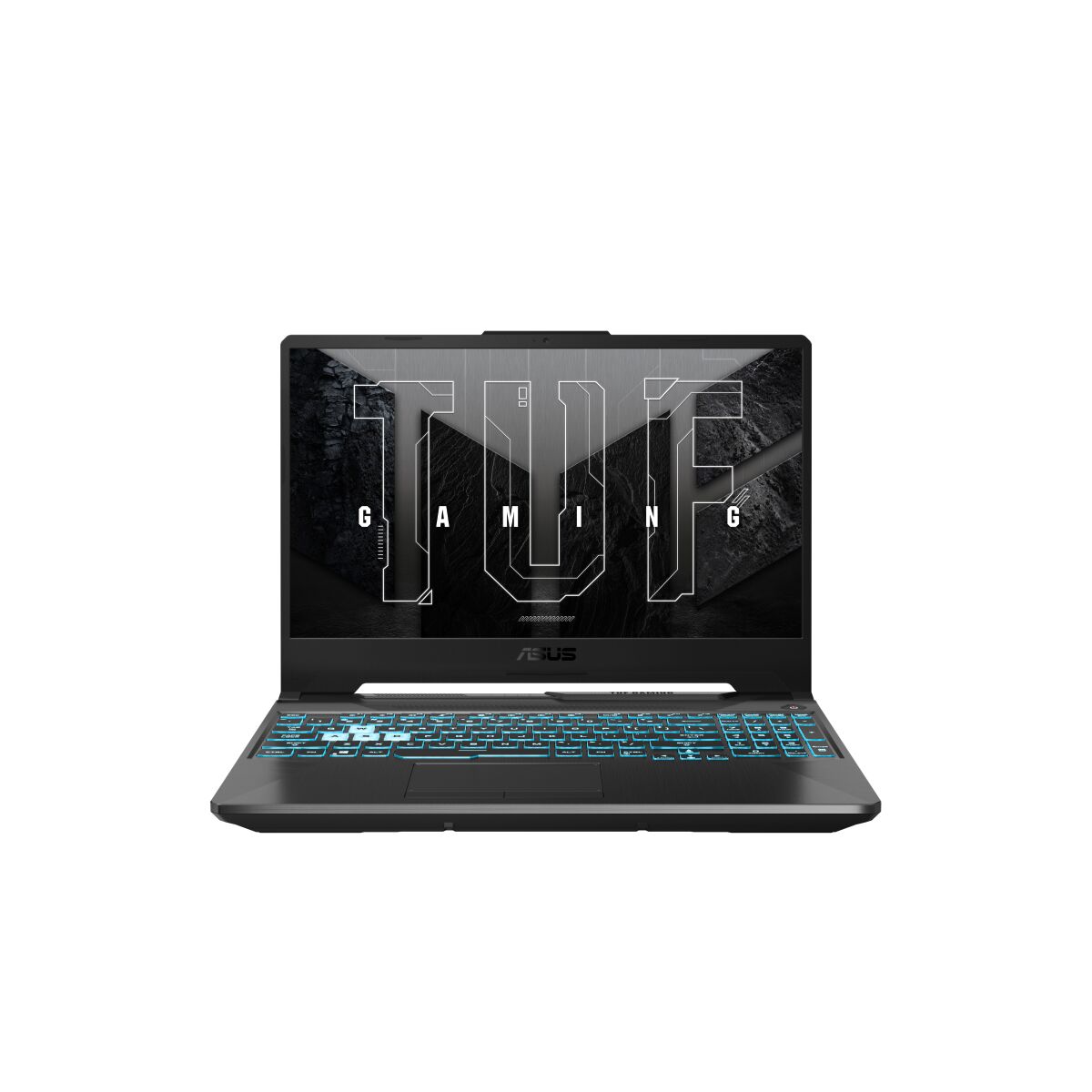


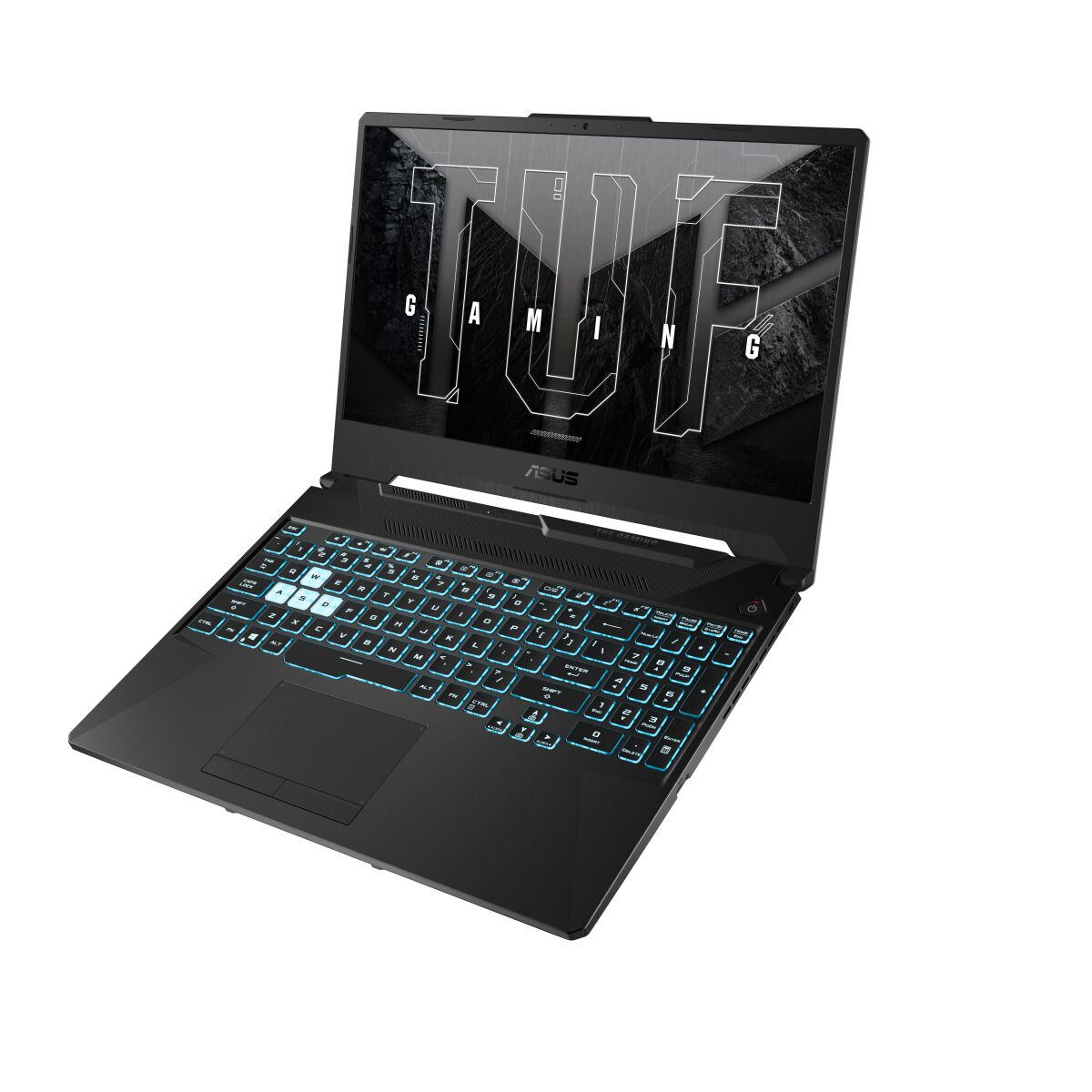

ASUS TUF Gaming F15 FX506HC-HN099T RAM upgrade specifications include DDR4-SDRAM memory compatible with 2x SO-DIMM slots. Maximum RAM capacity reaches 32 GB total, operating at 3200 MHz frequency. The laptop supports SO-DIMM form factor memory modules for upgrade compatibility. Current specifications enable users to expand memory configuration up to the maximum supported capacity through available memory slots.
Memory Upgrade Specifications
| Specification | Value |
|---|---|
| Memory slots | 2x SO-DIMM |
| Form factor | SO-DIMM |
| Memory type | DDR4-SDRAM |
| Frequency | 3200 MHz |
| Maximum RAM | 32 GB |
| Voltage | 1.2V |
| Number of pins | 260-pin |
| Interface | PC4 |
| PC Speed Rating | PC4-3200 (PC4-25600) |
| Bandwidth | 25.6 GB/s |
| Laptop Release date | 10 May 2021 |
Additional Notes
- The ASUS TUF Gaming FX506HC-HN099T supports dual-channel memory architecture through its 2 SO-DIMM slots, enabling maximum bandwidth of 51.2 GB/s when both channels are populated with matched modules.
- The 32 GB maximum capacity constraint is imposed by the chipset and processor architecture, limiting individual module density to 16 GB per slot regardless of higher-capacity DDR4 SO-DIMMs available in the market.
- Operating at 3200 MHz represents the JEDEC standard speed for this generation, though actual performance depends on CPU memory controller capabilities and may require XMP profile activation in BIOS for sustained operation above default 2933 MHz or 2666 MHz speeds.
- Mixed-capacity configurations, such as pairing 8 GB with 16 GB modules, will function but force asymmetric dual-channel operation where only the matched portion runs in dual-channel mode while excess capacity operates in single-channel mode with reduced bandwidth.
- SO-DIMM installation requires bottom panel removal, and some manufacturers void warranties if factory-installed memory seals are broken, necessitating verification of service policies before performing upgrades.
- DDR4-3200 modules with higher CAS latencies (CL22) are more common than performance-grade CL16 variants for SO-DIMM form factors, resulting in potential latency differences of approximately 3-4 nanoseconds despite identical frequency ratings.
- Thermal performance may degrade with maximum capacity configurations if the laptop's cooling system design prioritizes GPU and CPU thermal zones over memory area airflow.
- Single-rank versus dual-rank module topology affects memory interleaving, with dual-rank modules potentially offering 5-10% performance gains in memory-intensive workloads despite identical capacity and frequency specifications.
- Voltage specification defaults to 1.2V for DDR4-3200, and modules rated for 1.35V or higher may not initialize properly or could trigger thermal throttling in compact gaming laptop chassis.
- Upgrading from soldered memory is not possible as both slots must be physically accessible, meaning any pre-installed capacity occupies the available slots and requires replacement rather than supplementation.