ASUS TUF Gaming FX506HC-HN083W RAM upgrade specifications




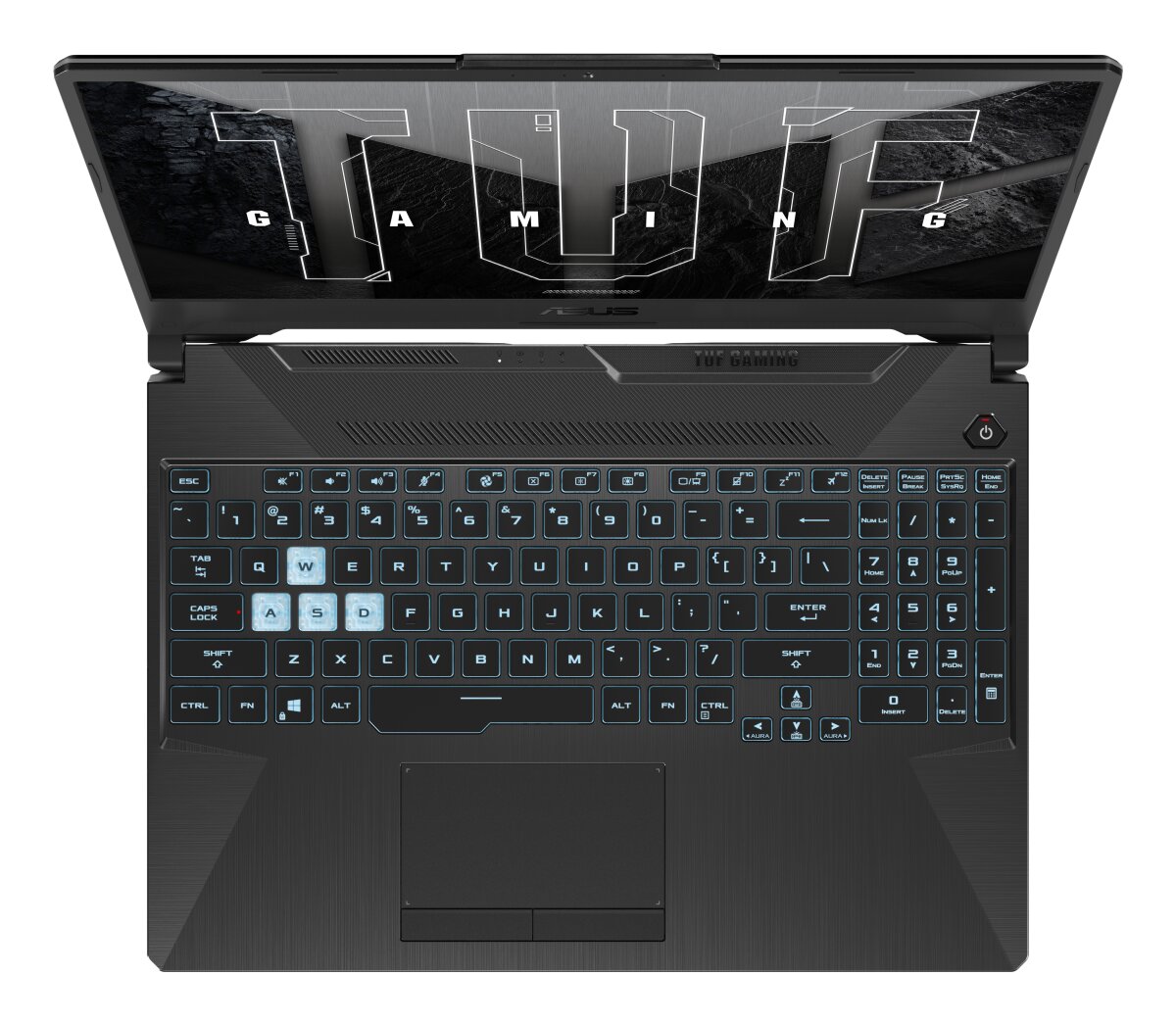
ASUS TUF Gaming F15 series model FX506HC-HN083W features DDR4-SDRAM memory configuration with 2x SO-DIMM slots supporting maximum RAM capacity of 32 GB. Compatible memory modules operate at 3200 MHz frequency. The upgrade specifications indicate SO-DIMM form factor memory modules are required for this laptop model. Current memory capacity and available slots determine upgrade options for end users seeking to expand the system's RAM specifications.
Memory Upgrade Specifications
| Specification | Value |
|---|---|
| Memory slots | 2x SO-DIMM |
| Form factor | SO-DIMM |
| Memory type | DDR4-SDRAM |
| Frequency | 3200 MHz |
| Maximum RAM | 32 GB |
| Voltage | 1.2V |
| Number of pins | 260-pin |
| Interface | PC4 |
| PC Speed Rating | PC4-3200 (PC4-25600) |
| Bandwidth | 25.6 GB/s |
Additional Notes
- The ASUS TUF Gaming FX506HC-HN083W supports dual-channel memory configuration, enabling doubled theoretical bandwidth compared to single-module installations when both slots contain identical capacity and speed modules.
- Standard DDR4 modules rated below 3200 MHz will function but operate at their native slower speeds, potentially underutilizing the system's memory controller capabilities and reducing integrated graphics performance if applicable.
- Installing modules exceeding 3200 MHz may result in automatic downclocking to the supported frequency ceiling, as the platform lacks XMP profile support typical in gaming-oriented laptop chipsets.
- The 32 GB ceiling translates to a maximum per-slot capacity of 16 GB, preventing the use of higher-density 32 GB SO-DIMM modules that would exceed the memory controller's addressing limits.
- Mismatched module capacities between slots will still enable dual-channel operation only for the overlapping capacity portion, with remaining capacity reverting to single-channel mode and reduced bandwidth.
- SO-DIMM form factor requires physical access to the underside panel, which typically involves removing warranty seal stickers or screws that may impact service agreement terms depending on regional consumer protection laws.
- Memory operating voltage must conform to DDR4 standard specifications of 1.2V, as laptop platforms lack voltage adjustment features found in desktop BIOS implementations.
- Upgrading from pre-installed configurations requires matching CAS latency timings within reasonable tolerances to prevent POST failures or system instability during mixed-module operation.
- The platform's lack of support for DDR5 or LPDDR memory types eliminates lower-power consumption alternatives, maintaining baseline thermal output regardless of module selection.
- Empty slot utilization enables capacity expansion without discarding existing modules, provided total installed capacity remains within the 32 GB boundary and both modules share identical frequency specifications.