ASUS TUF Gaming FX506HE-HN018W RAM upgrade specifications
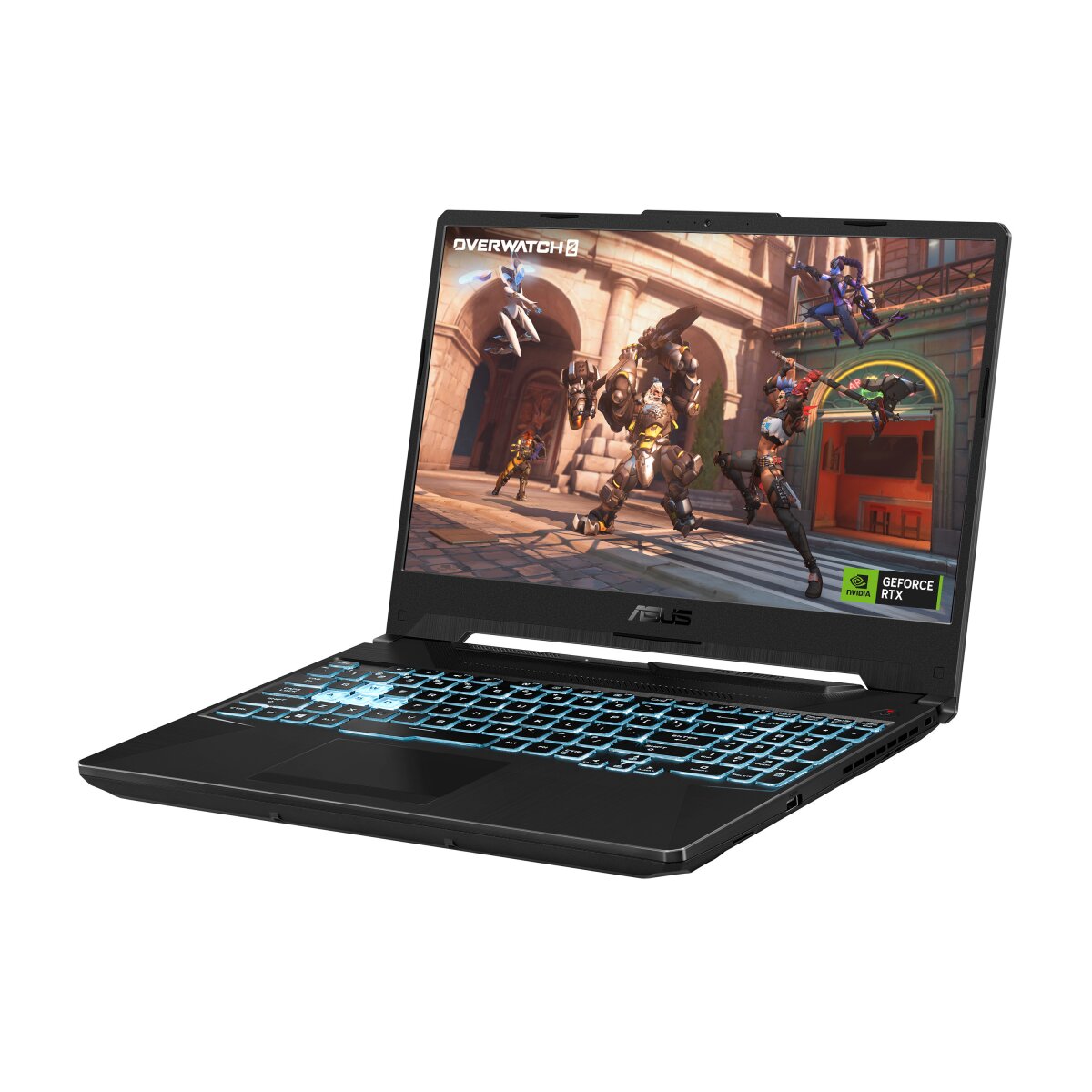
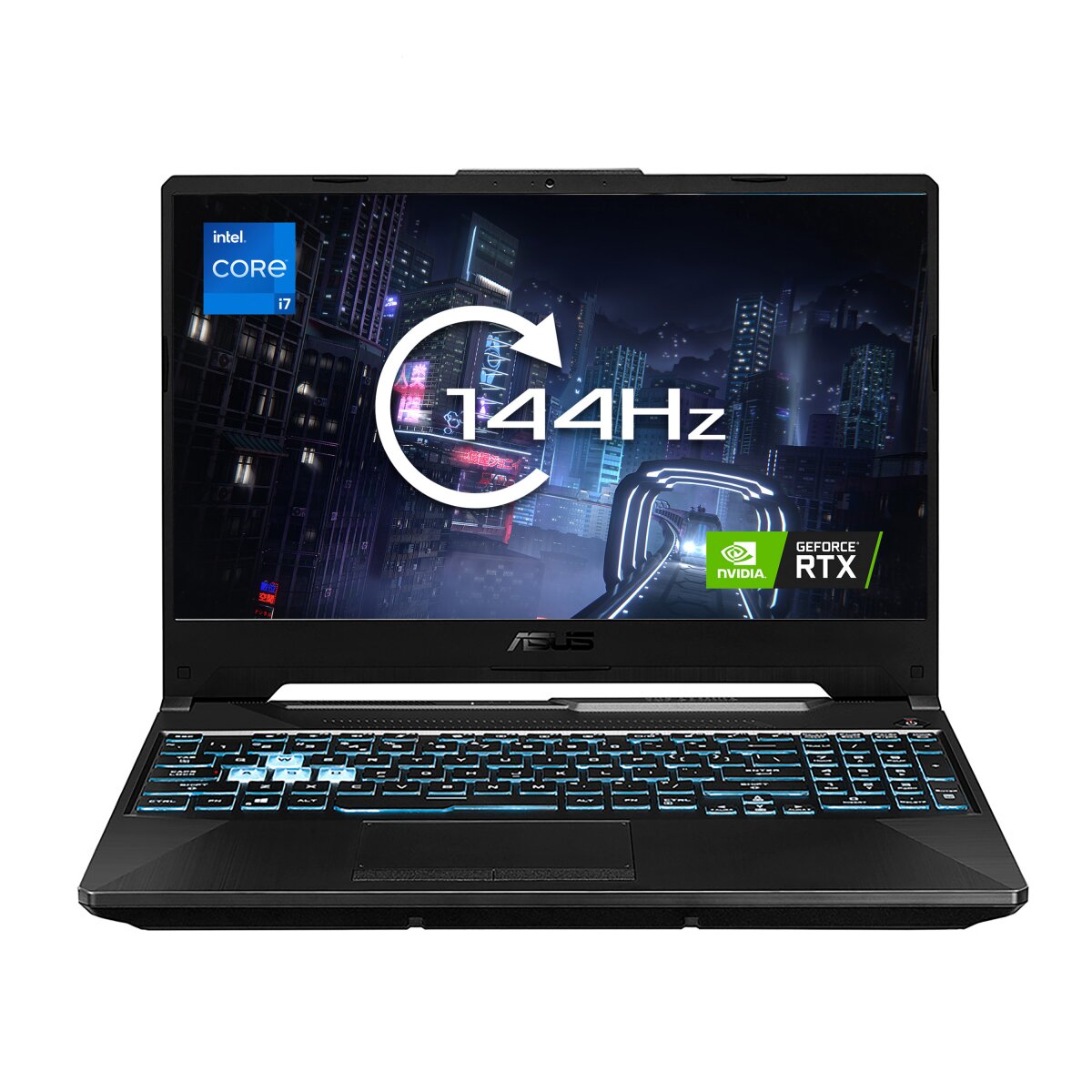

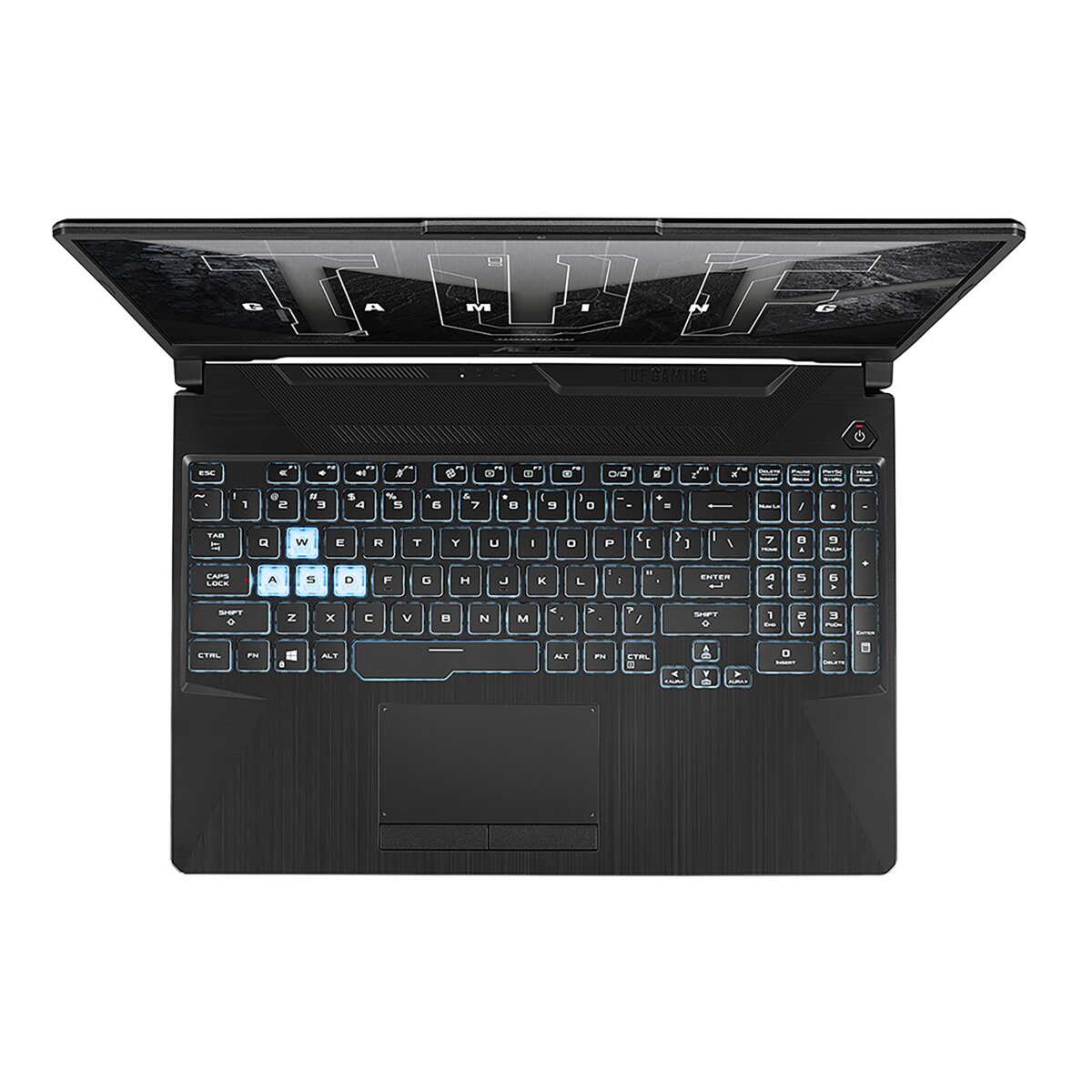
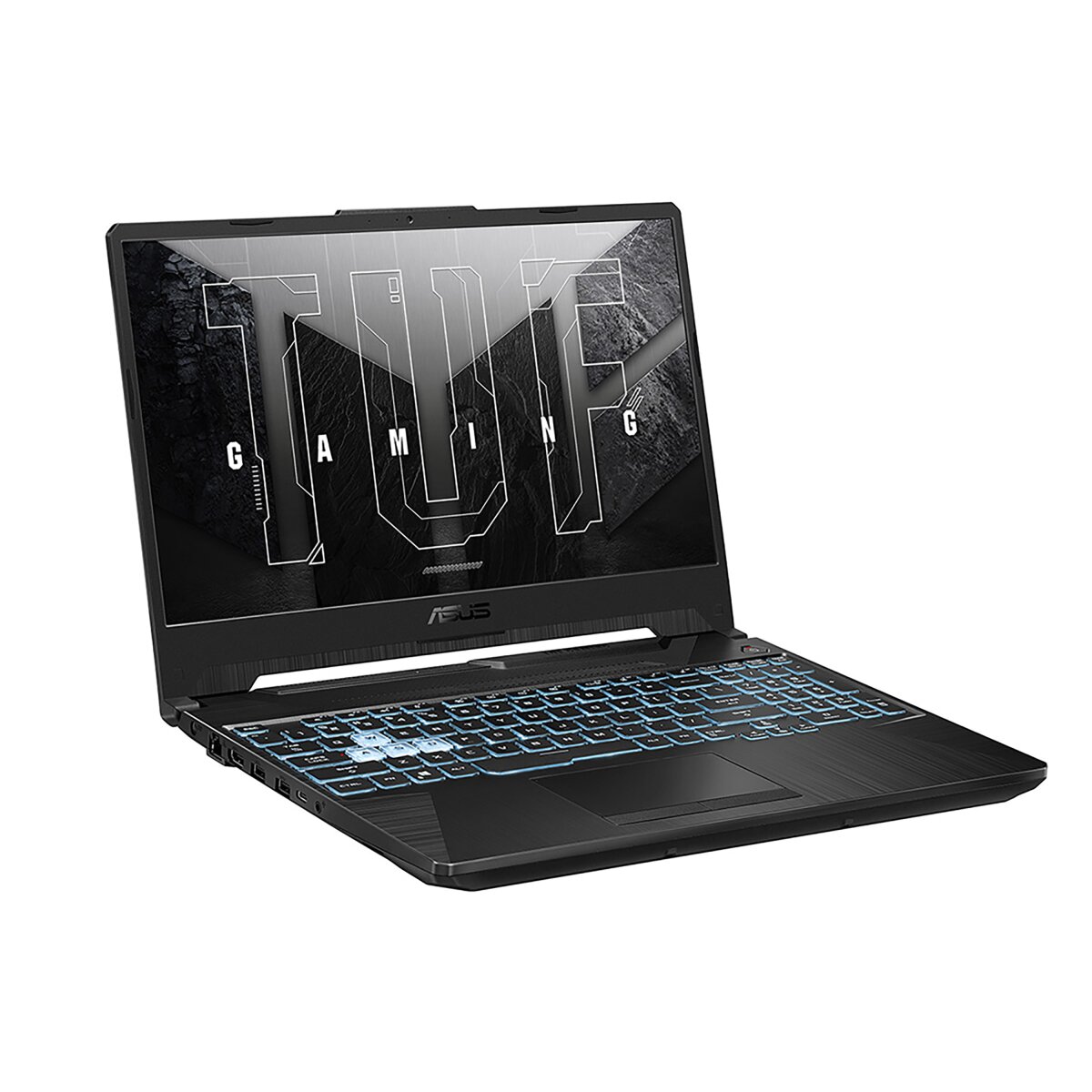
The ASUS TUF Gaming F15 FX506HE-HN018W laptop features DDR4-SDRAM memory upgrade specifications with 2x SO-DIMM slots. Maximum supported RAM capacity reaches 32 GB total, operating at 3200 MHz frequency. Compatible memory modules utilize the SO-DIMM form factor standard. Specifications indicate this gaming laptop model accommodates dual memory slot configuration for RAM upgrades, supporting DDR4 technology with specified performance parameters for system memory expansion and optimization.
Memory Upgrade Specifications
| Specification | Value |
|---|---|
| Memory slots | 2x SO-DIMM |
| Form factor | SO-DIMM |
| Memory type | DDR4-SDRAM |
| Frequency | 3200 MHz |
| Maximum RAM | 32 GB |
| Voltage | 1.2V |
| Number of pins | 260-pin |
| Interface | PC4 |
| PC Speed Rating | PC4-3200 (PC4-25600) |
| Bandwidth | 25.6 GB/s |
Additional Notes
- The ASUS TUF Gaming FX506HE-HN018W contains 2 SO-DIMM slots operating at 3200 MHz, establishing a maximum addressable memory ceiling of 32 GB total capacity.
- DDR4-3200 specification requires matching modules with identical speed ratings to prevent frequency downclocking to the slowest module's rated speed, which would eliminate the performance margin of the faster JEDEC standard.
- SO-DIMM form factor restricts upgrade sources to laptop-specific memory modules; desktop DDR4 UDIMM variants are physically incompatible and will not fit into the available slots.
- Dual-slot configuration with 16 GB per-slot maximum means single-module upgrades leave one slot empty, reducing dual-channel bandwidth utilization until both slots contain populated modules of equivalent capacity.
- Warranty preservation requires verification that RAM upgrades are classified as user-serviceable components within ASUS service documentation; field replacement typically does not void coverage when performed without motherboard contact or damage to surrounding components.
- 3200 MHz operation on DDR4 indicates the system uses a 11th-generation Intel processor architecture or equivalent AMD mobile platform, both of which support this frequency tier natively without BIOS overclocking parameters.