ASUS TUF Gaming FX506HE-HN012 RAM upgrade specifications

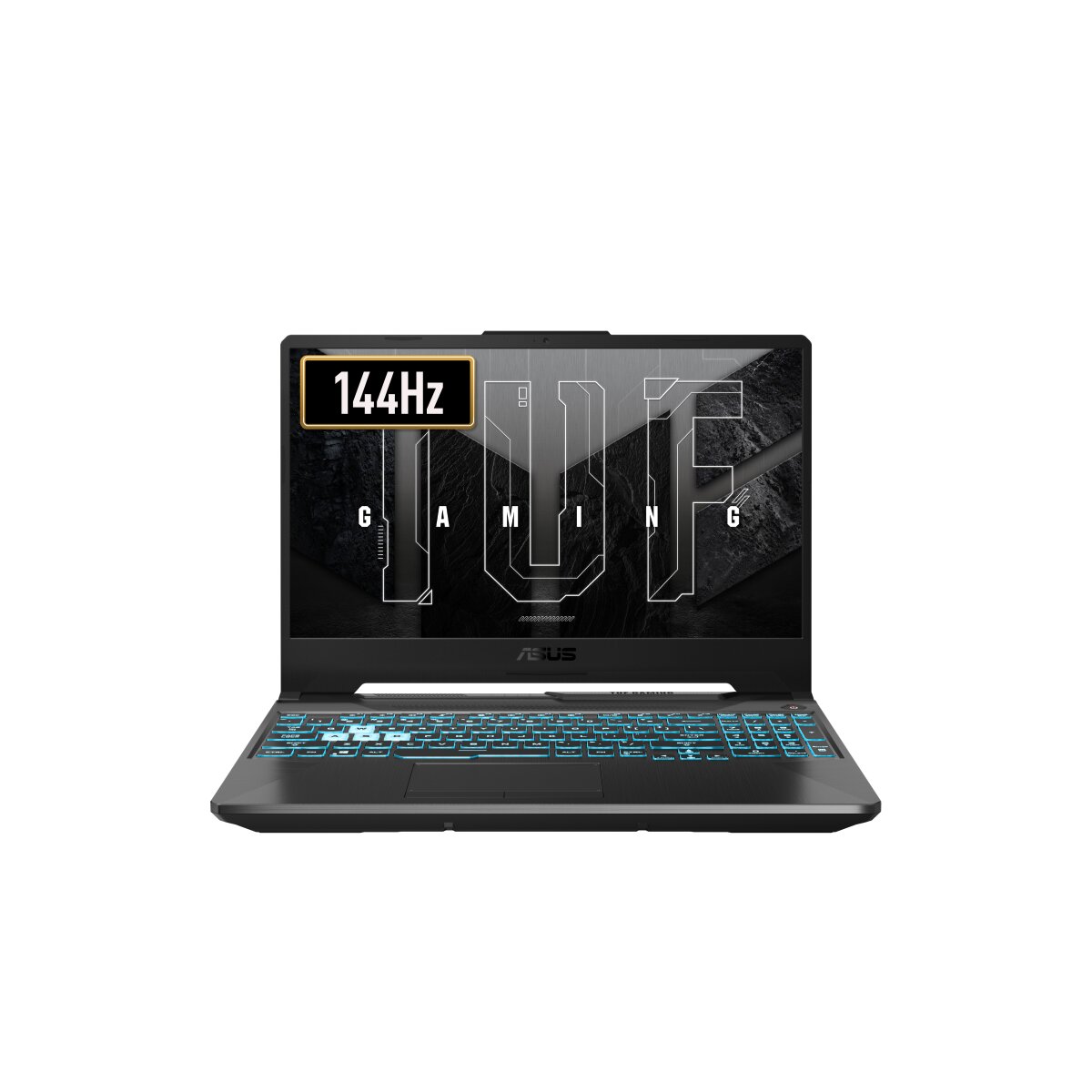



The ASUS TUF Gaming F15 FX506HE-HN012 features DDR4-SDRAM memory with two SO-DIMM slots supporting upgrades up to 32 GB maximum capacity. The laptop's RAM specifications include 3200 MHz frequency compatibility. Memory upgrade options for this model utilize the SO-DIMM form factor, enabling compatible DDR4 modules to expand system performance. Existing memory configurations can be augmented through the available dual slot architecture, providing flexibility for users requiring additional memory capacity beyond factory specifications.
Memory Upgrade Specifications
| Specification | Value |
|---|---|
| Memory slots | 2x SO-DIMM |
| Form factor | SO-DIMM |
| Memory type | DDR4-SDRAM |
| Frequency | 3200 MHz |
| Maximum RAM | 32 GB |
| Voltage | 1.2V |
| Number of pins | 260-pin |
| Interface | PC4 |
| PC Speed Rating | PC4-3200 (PC4-25600) |
| Bandwidth | 25.6 GB/s |
| Laptop Release date | 22 February 2022 |
Additional Notes
- The ASUS TUF Gaming FX506HE-HN012 supports dual-channel memory architecture, which doubles the theoretical bandwidth compared to single-module configurations when both SO-DIMM slots are populated with matched capacity modules.
- The 32 GB maximum capacity limitation is enforced by the chipset's memory controller, meaning any attempt to install higher-density modules will either result in system failure to boot or automatic downgrade to the supported maximum.
- DDR4-3200 represents the highest JEDEC-standardized speed tier for this generation, eliminating concerns about XMP profile compatibility issues common with overclocked modules in laptop environments.
- The SO-DIMM form factor requires physical access to the bottom panel, which typically involves removing 8 to 12 screws and potentially voiding certain regional warranty provisions depending on local consumer protection laws.
- Operating both slots at 3200 MHz requires the memory controller to maintain signal integrity across dual channels, which can occasionally force the system to downclock to 2933 MHz if modules lack identical SPD timing profiles.
- Mixing modules with different CAS latencies will force both to operate at the slower timing specification, introducing minor performance degradation in memory-intensive workloads despite maintaining the 3200 MHz frequency.
- The DDR4 standard's 1.2V operating voltage creates thermal headroom for sustained workloads, though dense 32 GB configurations may still generate sufficient heat to trigger thermal throttling in poorly ventilated gaming sessions.
- Upgrading from single-channel to dual-channel configuration yields 15 to 30 percent performance improvements in integrated graphics workloads, though this benefit does not extend to discrete GPU-accelerated tasks.
- Non-ECC unbuffered modules are required; server-grade ECC or registered memory will be incompatible with the consumer-focused memory controller despite matching the SO-DIMM physical interface.
- The 2-slot limitation means capacity expansion requires full replacement of existing modules rather than incremental additions, making initial high-capacity purchases more cost-effective than staged upgrades.