ASUS TUF Gaming FX506HE-HN011W RAM upgrade specifications
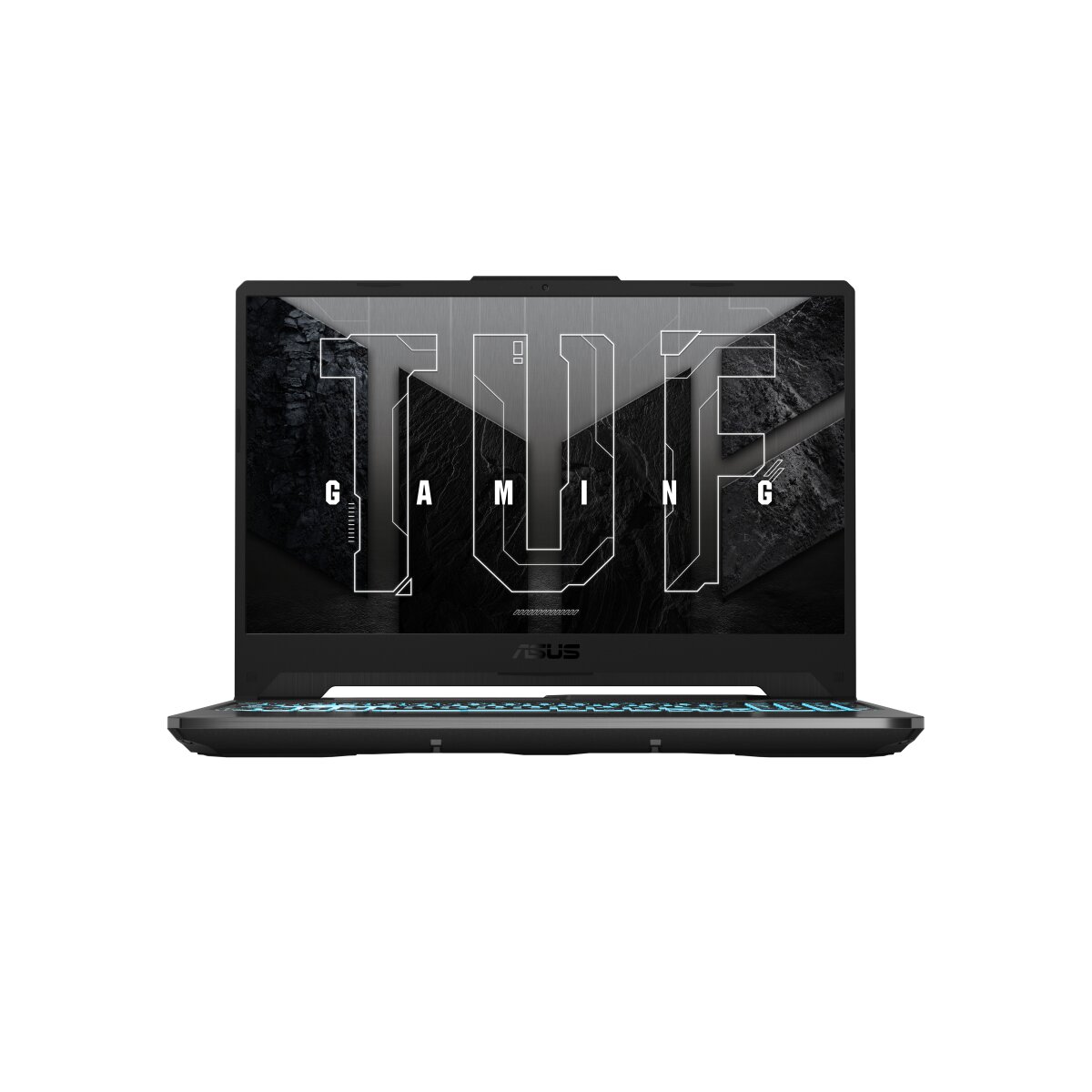
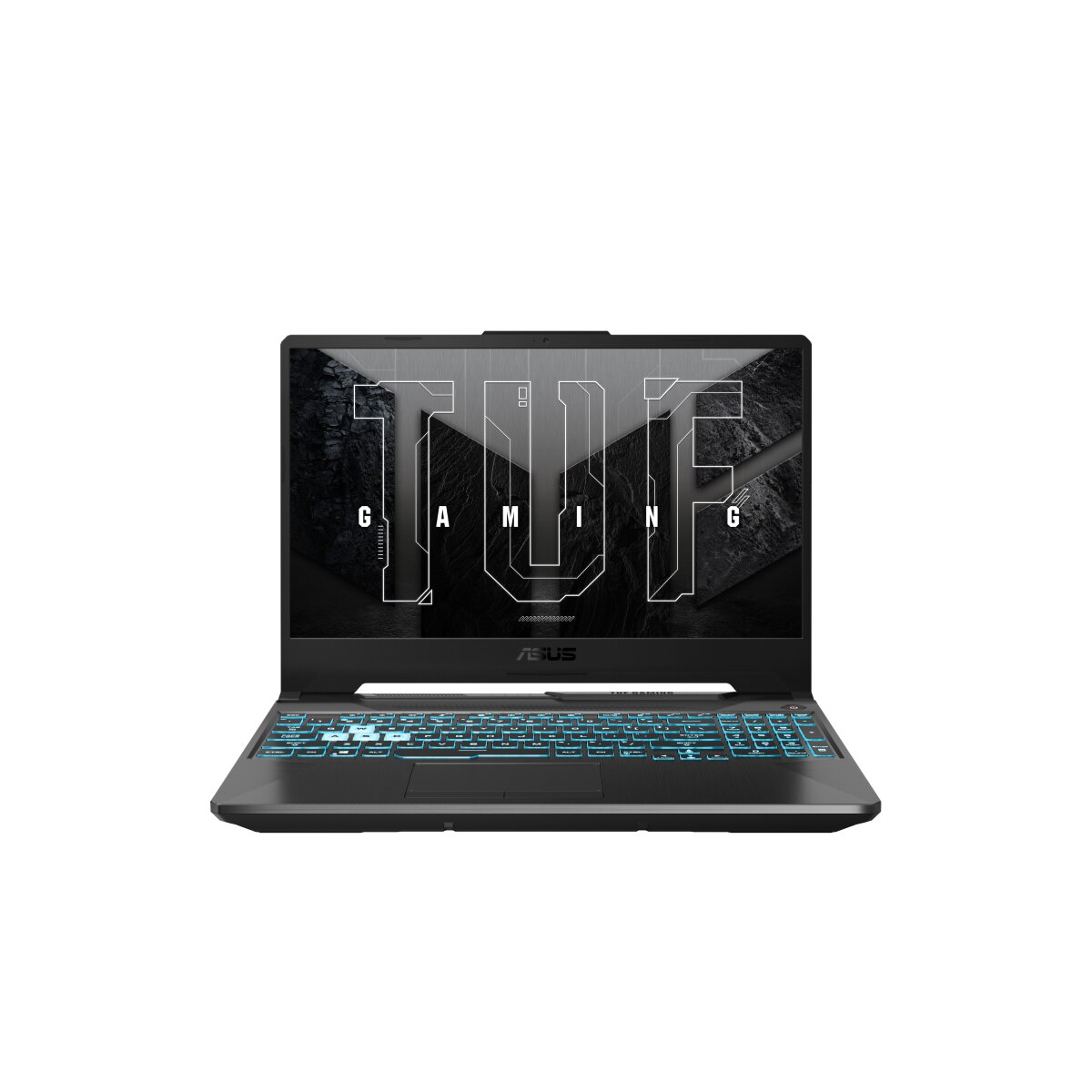
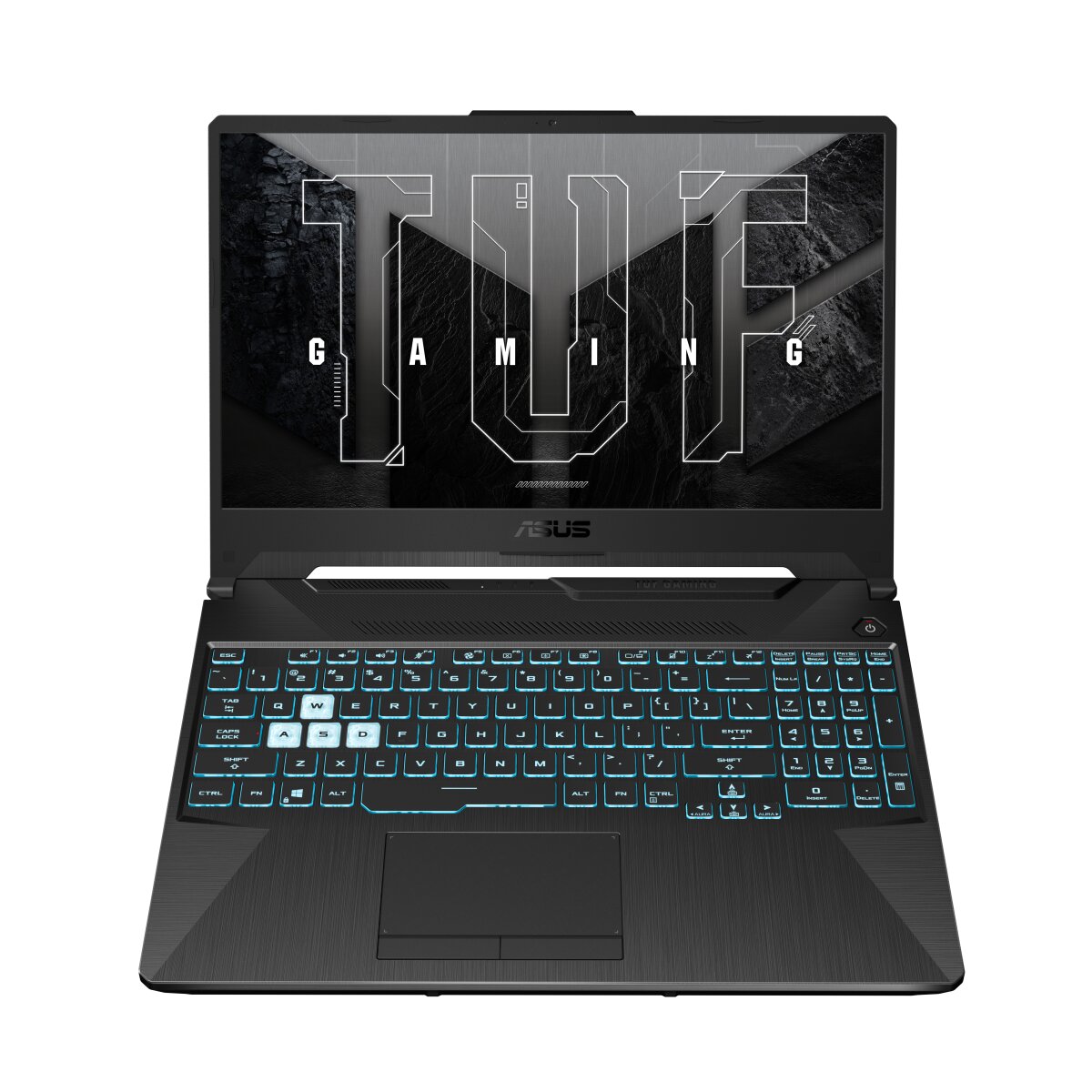
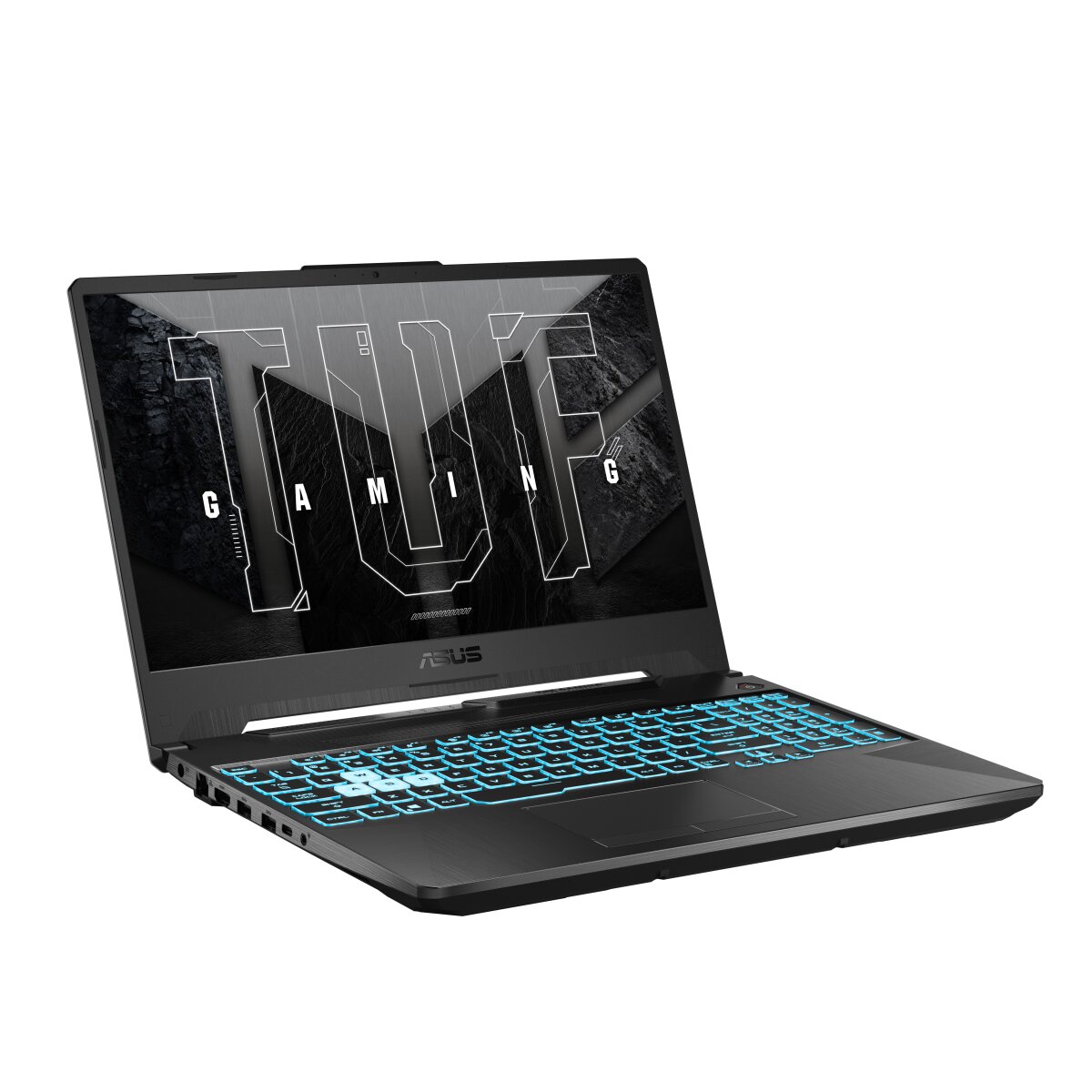
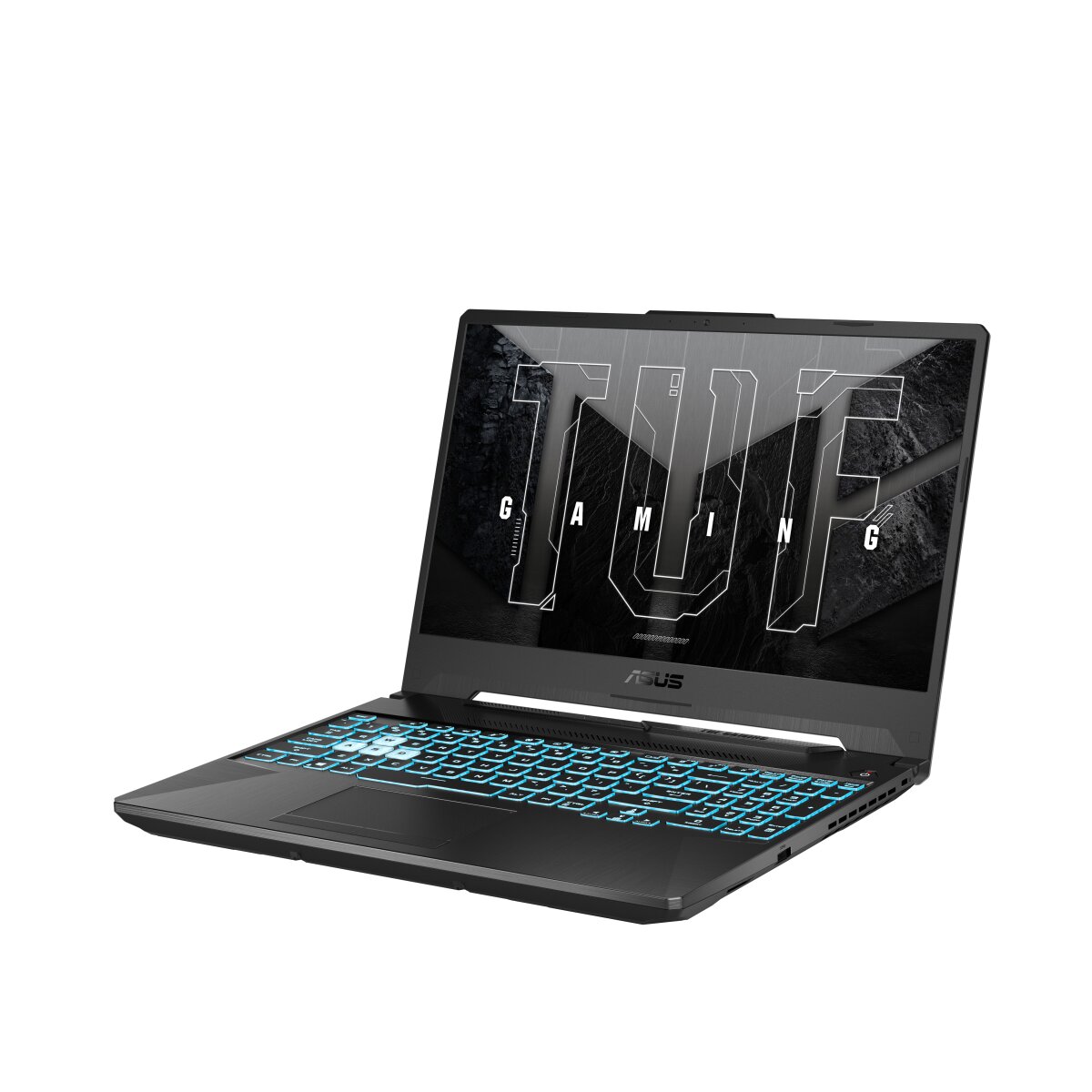
The ASUS TUF Gaming F15 FX506HE-HN011W features DDR4-SDRAM memory upgrade capabilities with 2x SO-DIMM slots available for expansion. Maximum RAM capacity reaches 32 GB with DDR4-3200 MHz specifications. Upgrade memory modules must be compatible SO-DIMM form factor DDR4 type to ensure proper functionality with this gaming laptop model. The FX506HE-HN011W supports dual-channel memory configuration for optimized performance in the TUF Gaming series.
Memory Upgrade Specifications
| Specification | Value |
|---|---|
| Memory slots | 2x SO-DIMM |
| Form factor | SO-DIMM |
| Memory type | DDR4-SDRAM |
| Frequency | 3200 MHz |
| Maximum RAM | 32 GB |
| Voltage | 1.2V |
| Number of pins | 260-pin |
| Interface | PC4 |
| PC Speed Rating | PC4-3200 (PC4-25600) |
| Bandwidth | 25.6 GB/s |
| Laptop Release date | 19 March 2022 |
Additional Notes
- The ASUS TUF Gaming FX506HE-HN011W accepts only standard-height SO-DIMM modules, excluding low-profile variants despite identical electrical specifications.
- DDR4-3200 represents the official supported frequency ceiling, though the chipset may physically accept higher-rated modules by downclocking them to 3200 MHz during POST.
- Dual-channel operation requires matched module capacities in both slots, as asymmetric configurations force single-channel mode with measurable impact on integrated graphics bandwidth.
- The 32 GB limitation stems from memory controller addressing constraints rather than physical slot count, making theoretical 64 GB configurations with 32 GB modules incompatible.
- Non-ECC unbuffered modules are mandatory, as server-grade ECC or registered memory types will trigger boot failure despite matching the SO-DIMM form factor.
- JEDEC-standard voltage of 1.2V is required, with XMP/overclocking profiles automatically disabled in this mobile platform's UEFI implementation.
- Accessing both memory slots requires complete bottom panel removal on this chassis design, precluding single-slot upgrades without full disassembly.
- Mixed-brand configurations are electrically viable but may introduce marginal latency inconsistencies if primary timings (CL-tRCD-tRP) differ between modules.
- The SO-DIMM specification enforces a 260-pin contact design, physically incompatible with desktop DIMM modules regardless of DDR4 generation matching.
- Warranty preservation typically requires OEM-equivalent specifications rather than specific brands, focusing on capacity and frequency compliance during potential service claims.