ASUS TUF Gaming FX506HE-HN018T RAM upgrade specifications
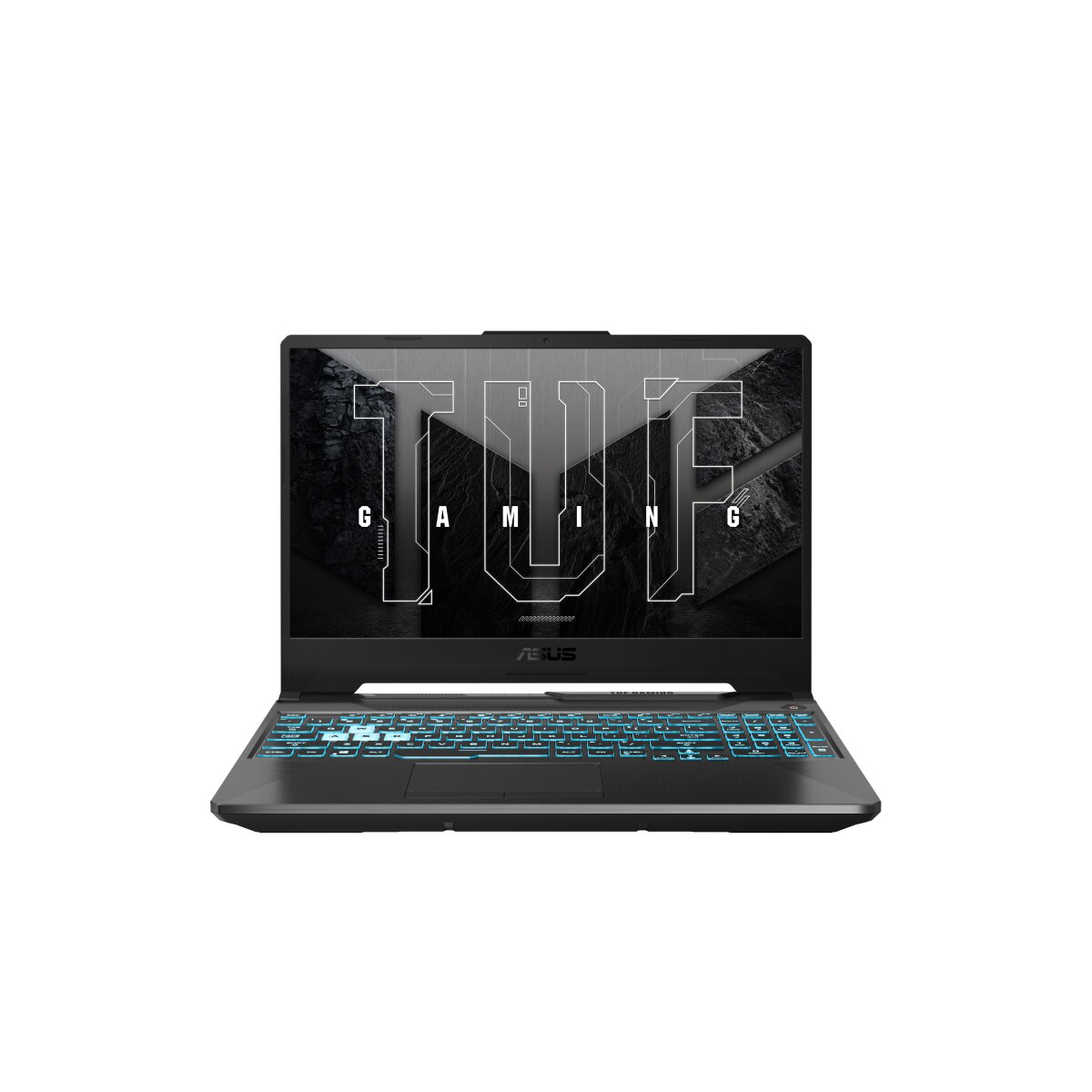

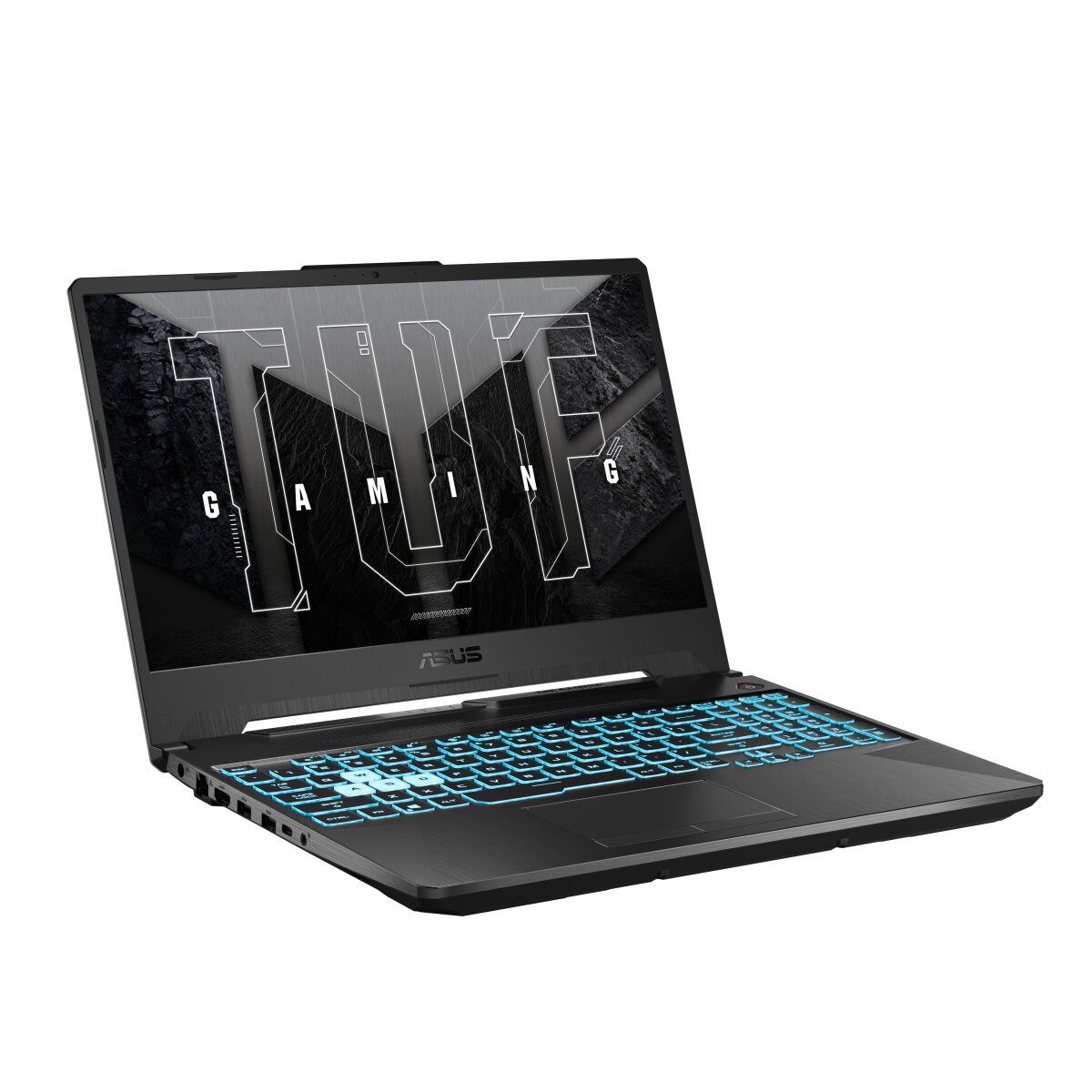
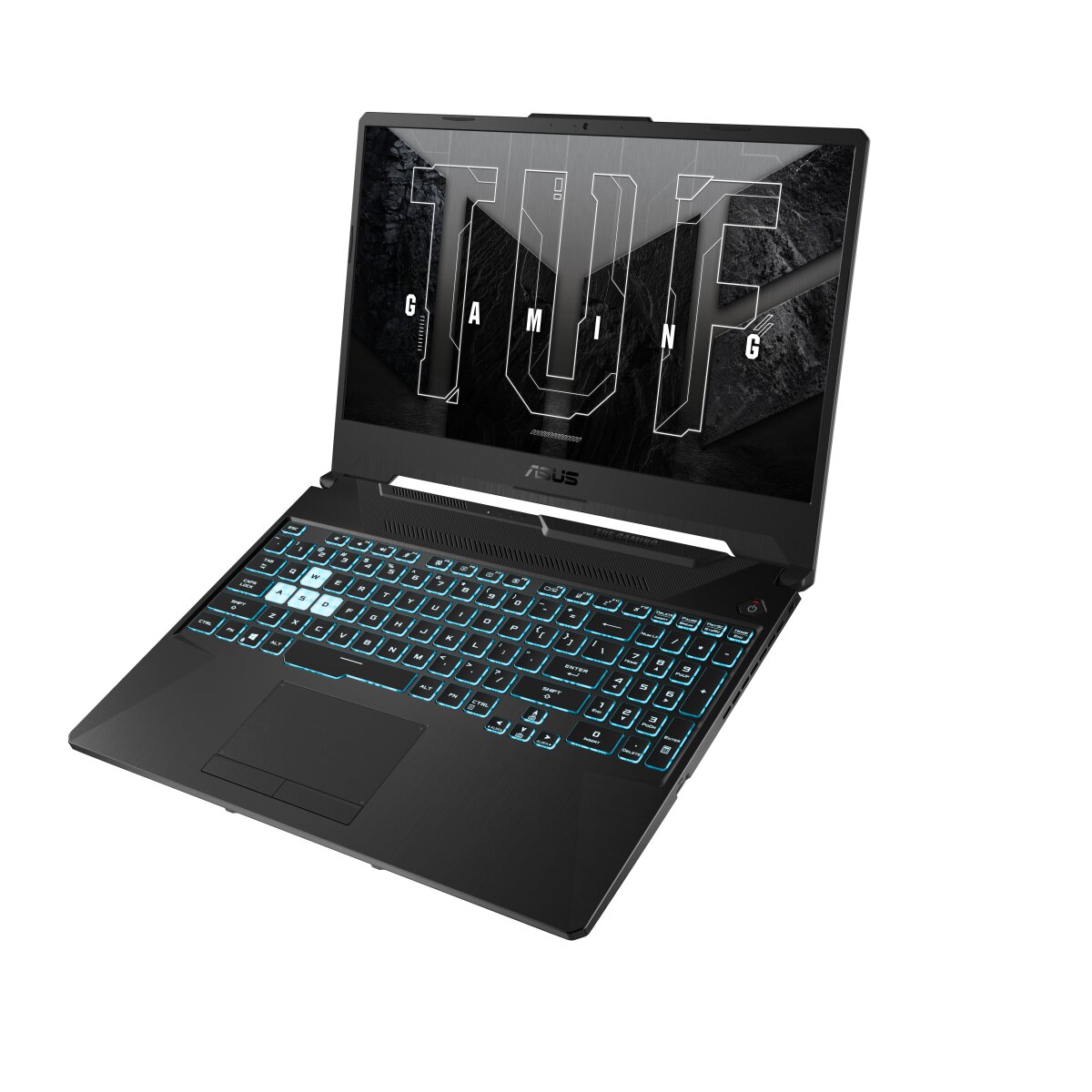
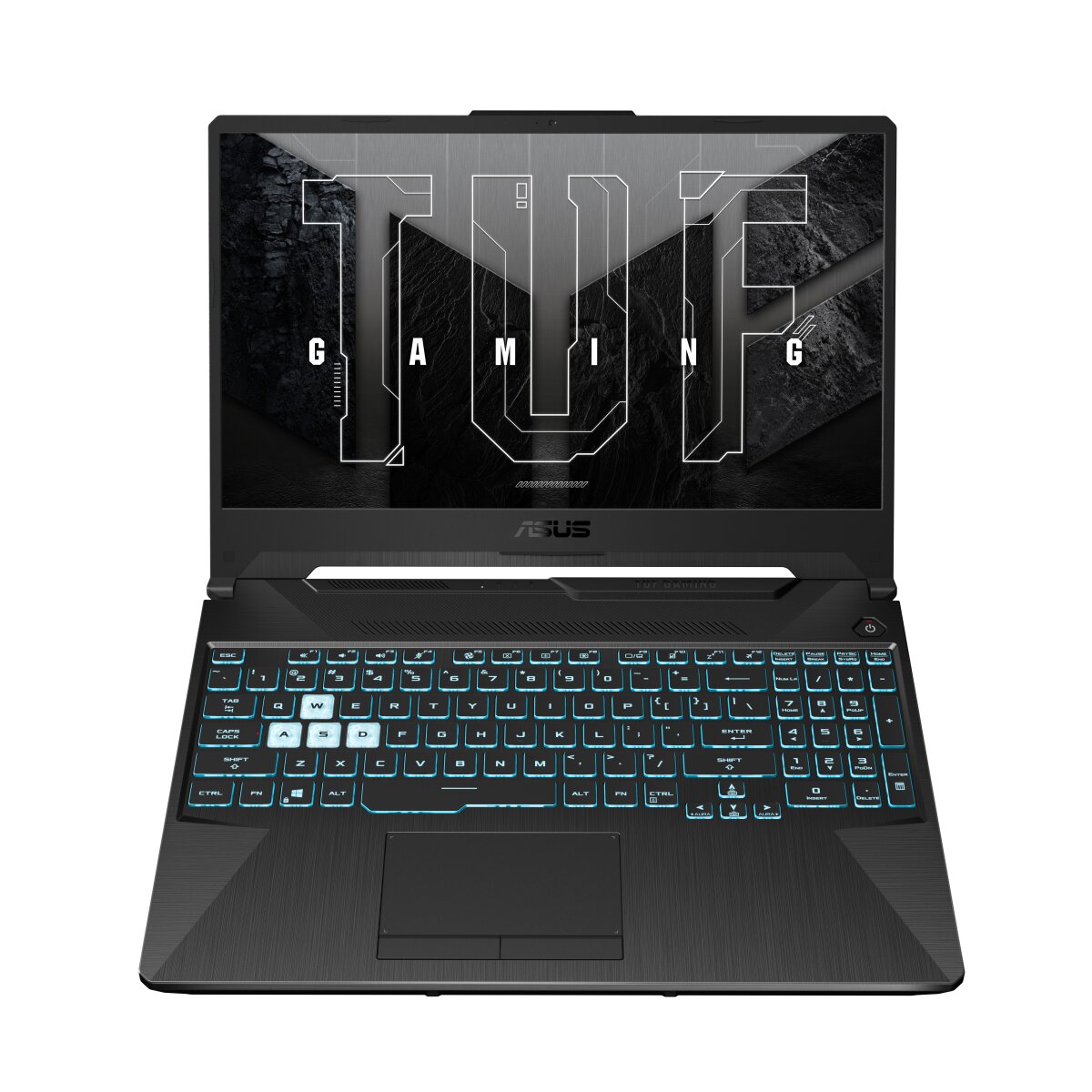
The ASUS TUF Gaming F15 FX506HE-HN018T features DDR4-SDRAM memory upgrade specifications with two SO-DIMM slots supporting maximum capacity of 32 GB RAM. Compatible memory modules operate at 3200 MHz frequency. The laptop's memory upgrade slots accommodate standard SO-DIMM form factor modules, enabling users to expand system memory from the factory configuration to the maximum supported capacity of 32 GB across both SO-DIMM slots.
Memory Upgrade Specifications
| Specification | Value |
|---|---|
| Memory slots | 2x SO-DIMM |
| Form factor | SO-DIMM |
| Memory type | DDR4-SDRAM |
| Frequency | 3200 MHz |
| Maximum RAM | 32 GB |
| Voltage | 1.2V |
| Number of pins | 260-pin |
| Interface | PC4 |
| PC Speed Rating | PC4-3200 (PC4-25600) |
| Bandwidth | 25.6 GB/s |
| Laptop Release date | 21 October 2021 |
Additional Notes
- The ASUS TUF Gaming FX506HE-HN018T supports dual-channel memory architecture through its 2 SO-DIMM slots, enabling up to 100% theoretical bandwidth increase when matched modules are installed in both slots compared to single-channel configuration.
- The 32 GB maximum capacity limitation originates from the chipset and processor memory controller specifications, preventing the use of higher-density modules that may physically fit but will not be recognized by the system.
- DDR4-3200 represents the official JEDEC standard speed, though the actual operating frequency depends on CPU memory controller capabilities and may default to lower speeds if mismatched modules are installed.
- SO-DIMM form factor restricts physical module height to approximately 30mm, making standard desktop DIMM modules mechanically incompatible despite identical electrical specifications.
- Memory upgrades require accessing the bottom panel of the chassis, which typically involves removing multiple screws and potentially voiding warranty seals depending on regional warranty policies.
- The absence of soldered memory indicates both slots remain accessible for user replacement, allowing complete memory replacement without permanently installed modules consuming capacity.
- Mixed memory configurations combining different speeds will force all modules to operate at the lowest common frequency, creating potential performance degradation if faster modules are paired with slower ones.
- The 3200 MHz specification requires DDR4 modules with PC4-25600 rating, as frequency and bandwidth ratings must align to ensure compatibility with the memory controller.
- Non-ECC unbuffered modules are required for consumer-grade systems of this class, as registered or error-correcting memory types will not initialize properly during POST.
- Voltage specifications must remain at standard 1.2V for DDR4, since SO-DIMM slots in mobile platforms typically lack voltage adjustment capabilities found in desktop motherboards.