ASUS TUF Gaming FX506HE-HN033W RAM upgrade specifications

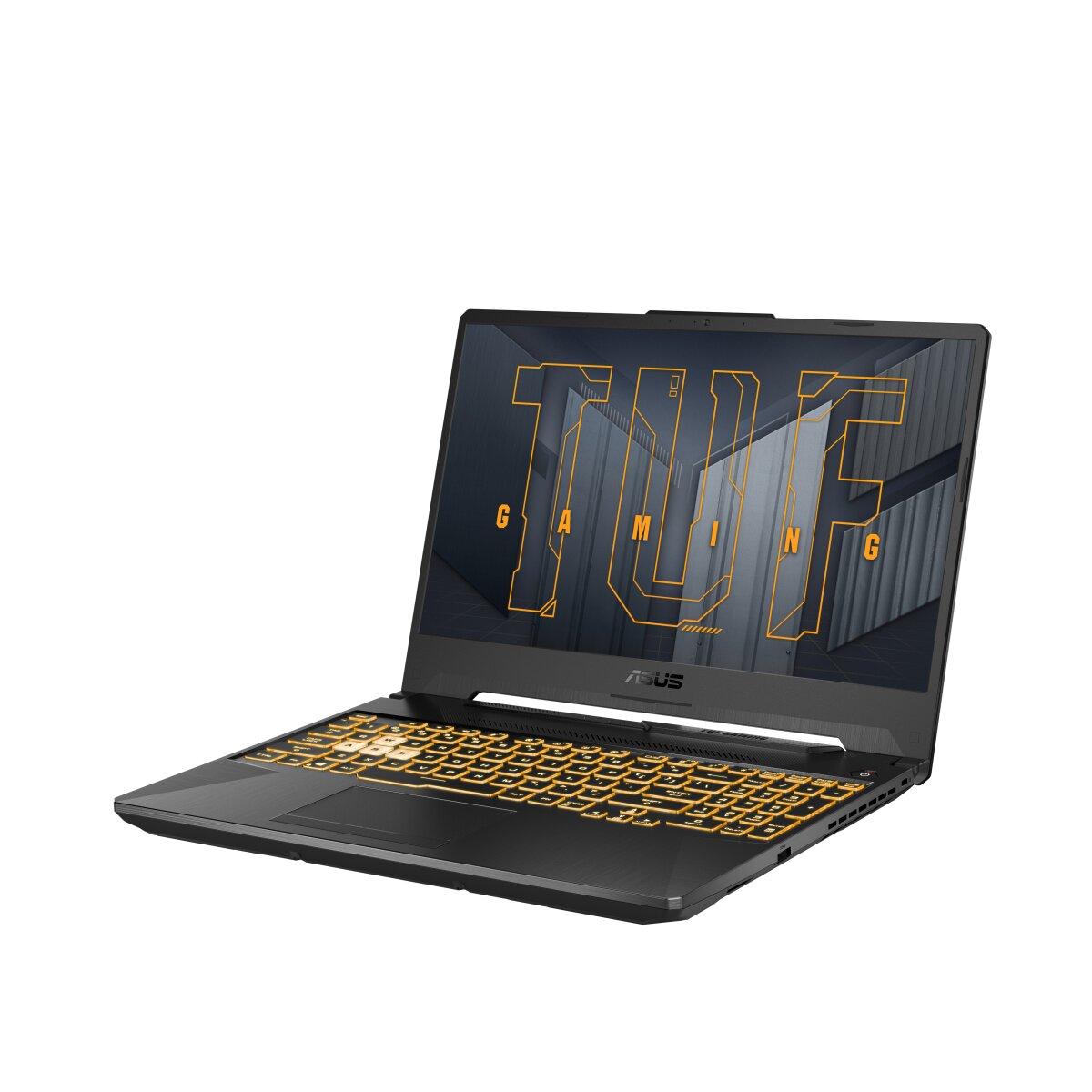
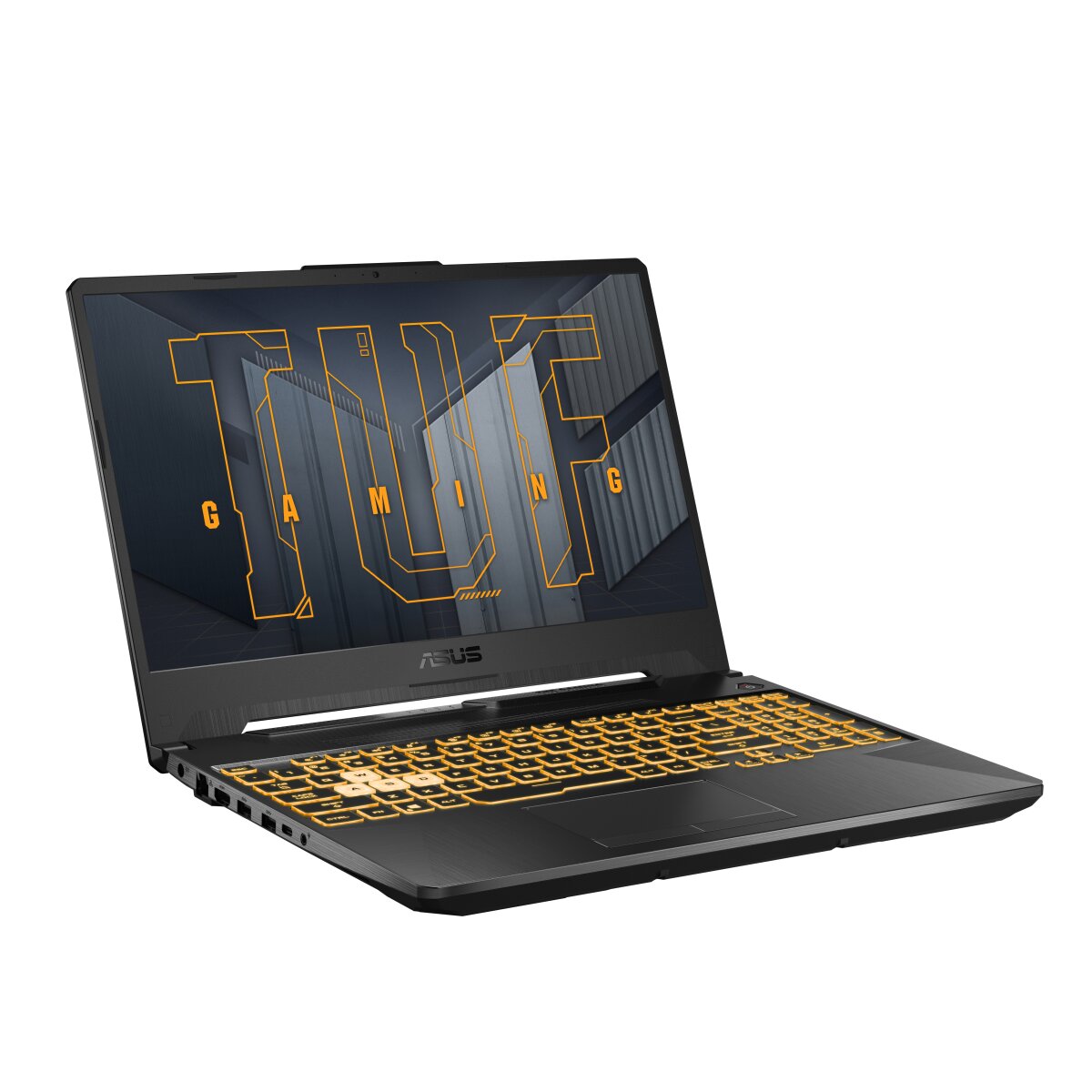
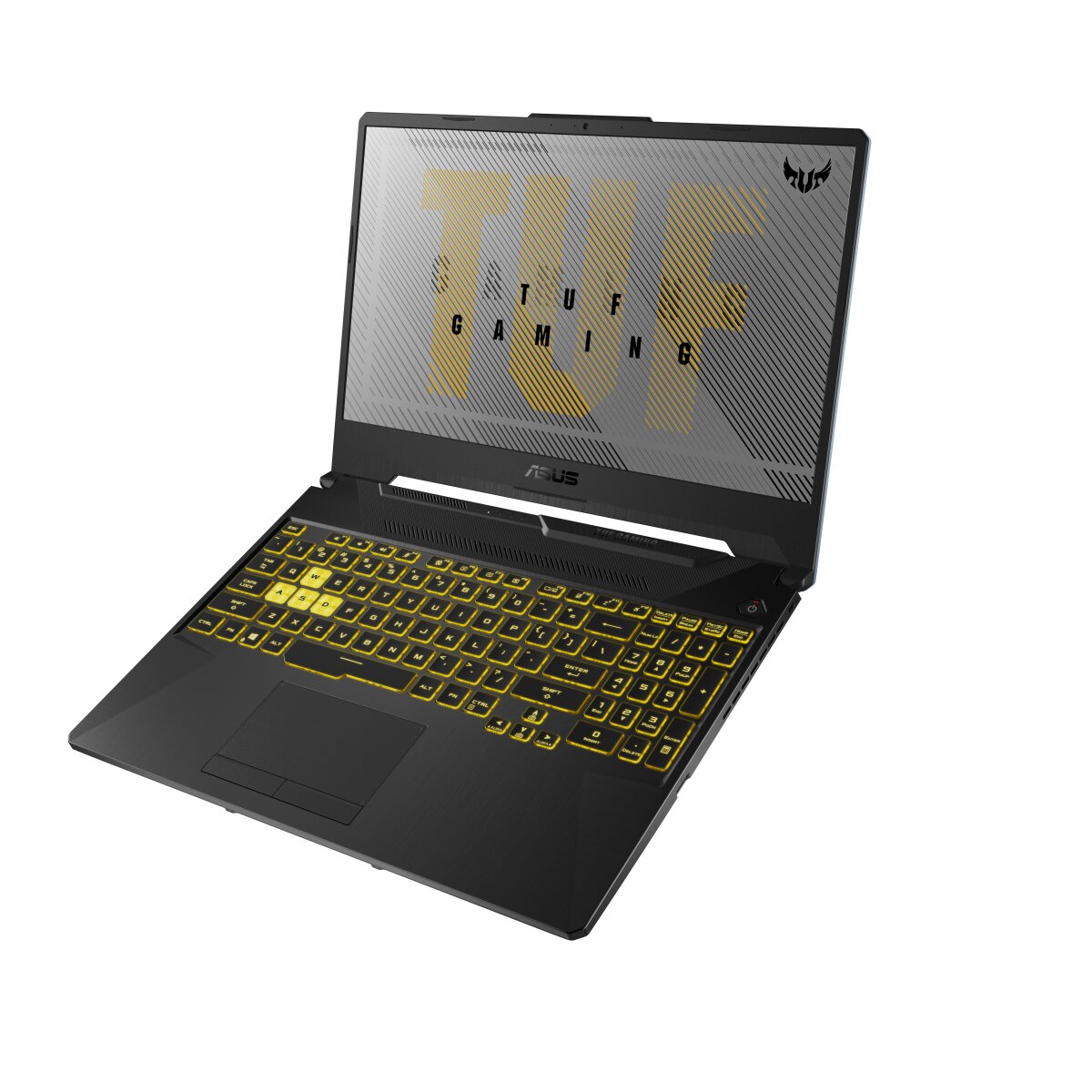
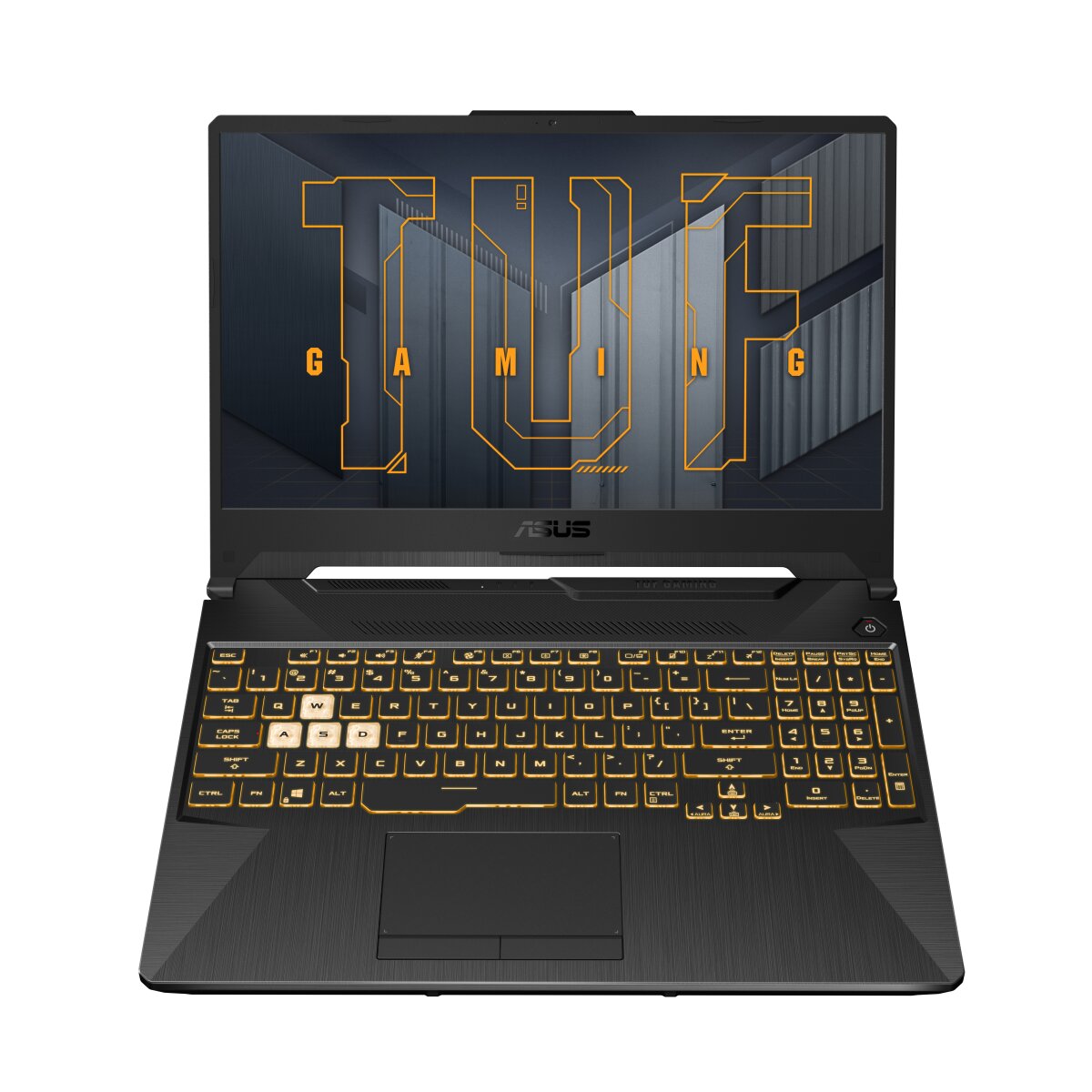
The ASUS TUF Gaming F15 FX506HE-HN033W features DDR4-SDRAM memory configuration with two SO-DIMM slots. Maximum supported RAM capacity reaches 32 GB total, operating at 3200 MHz frequency. Upgrade specifications accommodate SO-DIMM form factor modules compatible with DDR4 technology. The laptop supports memory expansion through its dual upgrade slots, enabling users to increase system RAM for enhanced multitasking and performance capabilities. Existing memory can be supplemented or replaced to achieve maximum capacity specifications.
Memory Upgrade Specifications
| Specification | Value |
|---|---|
| Memory slots | 2x SO-DIMM |
| Form factor | SO-DIMM |
| Memory type | DDR4-SDRAM |
| Frequency | 3200 MHz |
| Maximum RAM | 32 GB |
| Voltage | 1.2V |
| Number of pins | 260-pin |
| Interface | PC4 |
| PC Speed Rating | PC4-3200 (PC4-25600) |
| Bandwidth | 25.6 GB/s |
| Laptop Release date | 16 April 2022 |
Additional Notes
- The ASUS TUF Gaming FX506HE-HN033W accommodates dual SO-DIMM slots, requiring matched pairs for optimal dual-channel bandwidth. Single-module upgrades result in single-channel operation, reducing memory throughput by approximately 50 percent until a second module is installed.
- DDR4-3200 modules are commodity components with broad availability, but purchasing identical SKUs (same manufacturer, revision, and timing specifications) eliminates compatibility variability and potential instability from mixing dissimilar memory types.
- The 32 GB ceiling is enforced by BIOS and chipset limitations, not physical slot capacity. This maximum is fixed and cannot be exceeded through firmware updates or module substitution.
- SO-DIMM installation requires system shutdown and battery disconnection; the compact form factor means improper seating generates no visible error codes, only silent boot failures. Reseating both modules simultaneously prevents asymmetric detection.
- Existing memory in this model typically ships at 3200 MHz, creating a common misconception that faster DDR4 modules (3600 MHz or above) will improve performance. The memory controller locks to the JEDEC-compliant 3200 MHz profile; faster modules downclock automatically, offering no advantage.
- Factory-installed modules often use ECC-capable but non-ECC configurations. ECC and non-ECC modules are electrically incompatible on this platform and cannot coexist in the same system.
- Upgrading beyond the installed baseline voids no warranty when using consumer-grade modules. OEM memory specifications in service documentation are compatibility references, not restrictions on aftermarket components meeting DDR4 SO-DIMM electrical standards.