ASUS TUF Gaming FX506HEB-HN286 RAM upgrade specifications
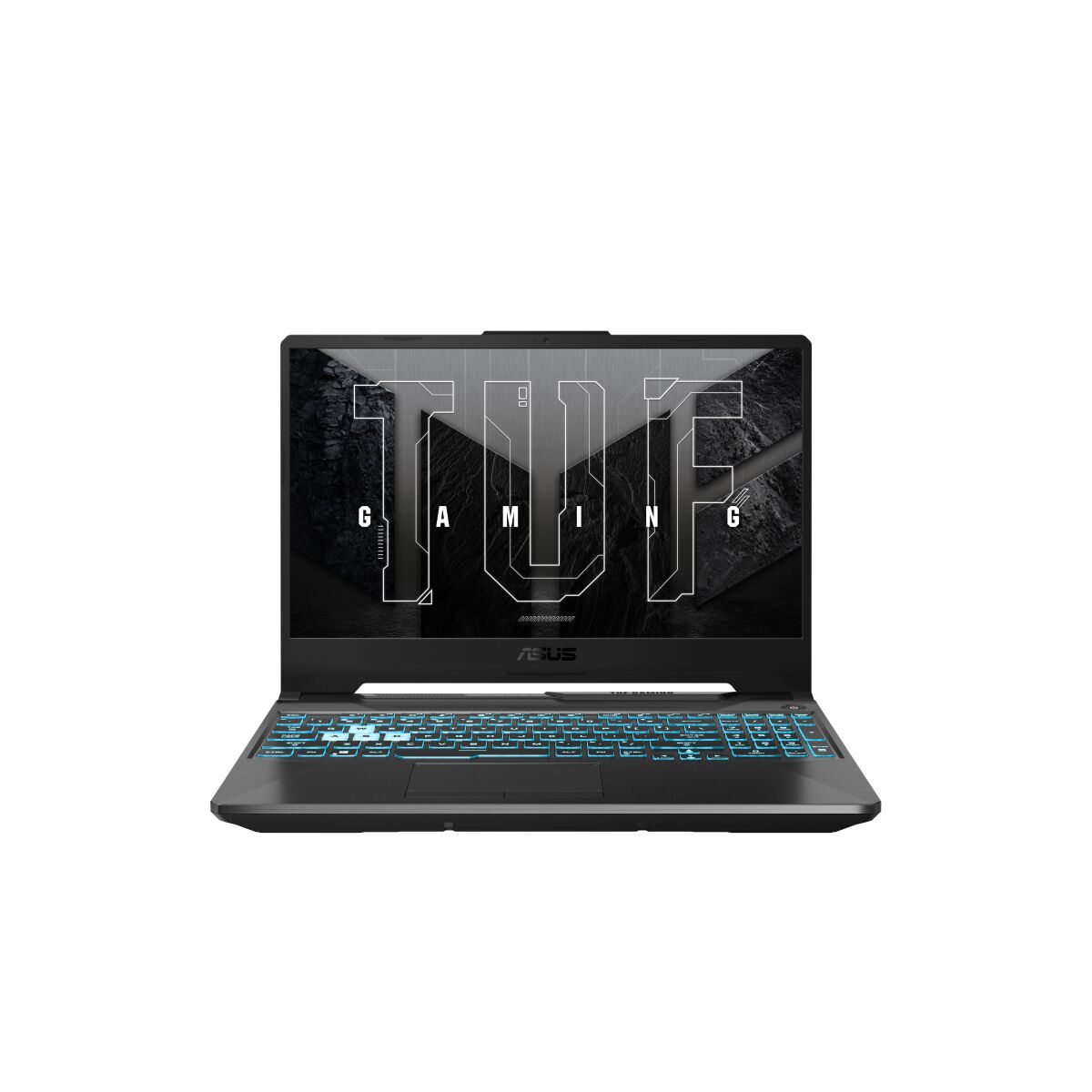


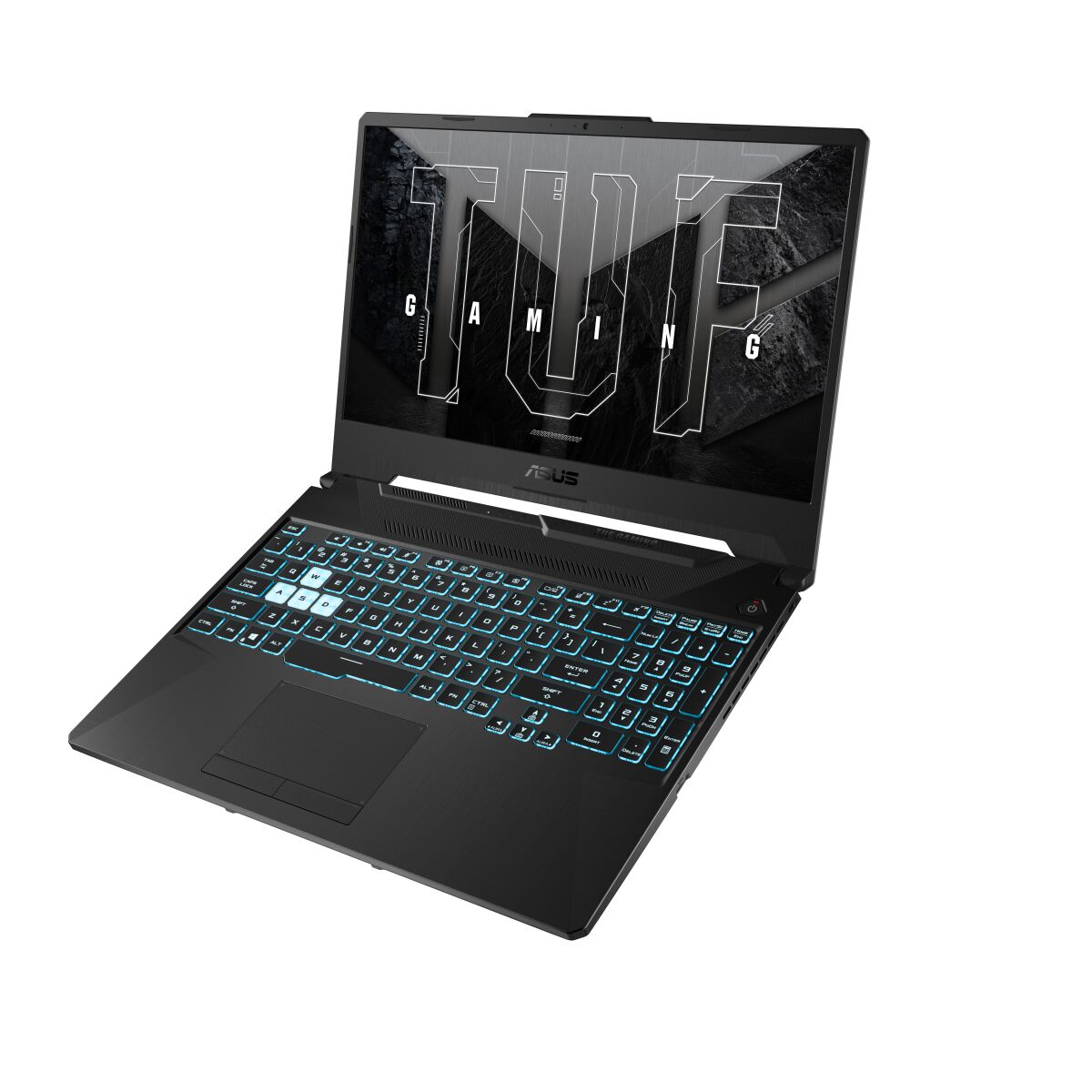

ASUS TUF Gaming F15 series FX506HEB-HN286 laptop contains two SO-DIMM memory slots supporting DDR4-SDRAM upgrades. The upgrade specifications indicate maximum RAM capacity of 32 GB total, with compatible memory operating at 3200 MHz frequency. Existing memory modules can be replaced or additional capacity added through the available SO-DIMM slots. DDR4-SDRAM memory type specifications define the compatible upgrade options for this ASUS FX506HEB-HN286 model.
Memory Upgrade Specifications
| Specification | Value |
|---|---|
| Memory slots | 2x SO-DIMM |
| Form factor | SO-DIMM |
| Memory type | DDR4-SDRAM |
| Frequency | 3200 MHz |
| Maximum RAM | 32 GB |
| Voltage | 1.2V |
| Number of pins | 260-pin |
| Interface | PC4 |
| PC Speed Rating | PC4-3200 (PC4-25600) |
| Bandwidth | 25.6 GB/s |
| Laptop Release date | 13 January 2022 |
Additional Notes
- The 32 GB capacity ceiling reflects chipset-level addressing limitations rather than physical slot constraints, preventing future expansion beyond this threshold regardless of individual module density improvements.
- DDR4-3200 operation requires proper XMP/DOCP profile activation in BIOS, as default JEDEC specifications may downclock modules to 2666 or 2933 MHz without manual intervention.
- Mixing modules with different ranks (single-rank versus dual-rank) across the 2 SO-DIMM slots can force the memory controller into asymmetric mode, potentially reducing theoretical bandwidth despite identical frequency ratings.
- The ASUS TUF Gaming FX506HEB-HN286 relies on SO-DIMM keying notches positioned specifically for DDR4, making DDR5 modules physically incompatible due to relocated notch placement even if voltage requirements were met.
- Thermal performance depends on module PCB design, as budget RAM lacking integrated heat spreaders may throttle under sustained workloads when positioned near heat-generating components within the confined laptop chassis.
- Dual-channel architecture activation mandates populating both SO-DIMM slots with capacity-matched modules, as single-slot configurations halve available memory bandwidth to the integrated memory controller.
- Non-ECC unbuffered modules represent the only compatible topology, since server-grade registered or ECC SO-DIMMs introduce incompatible signal timing that mobile memory controllers cannot accommodate.
- Voltage tolerance remains fixed at 1.2V standard for DDR4, meaning low-voltage DDR4L variants operating at 1.05V may exhibit instability if the motherboard lacks adaptive voltage regulation circuitry.
- Module height exceeding 30mm risks physical interference with keyboard assemblies or thermal solutions in compact gaming laptop enclosures, necessitating verification of clearance specifications before installation.
- Mismatched CAS latencies between installed modules force the memory controller to adopt the slower timing profile across both channels, degrading effective performance despite higher-frequency ratings on premium modules.