ASUS TUF Gaming FX506HF-51B25PS1 RAM upgrade specifications

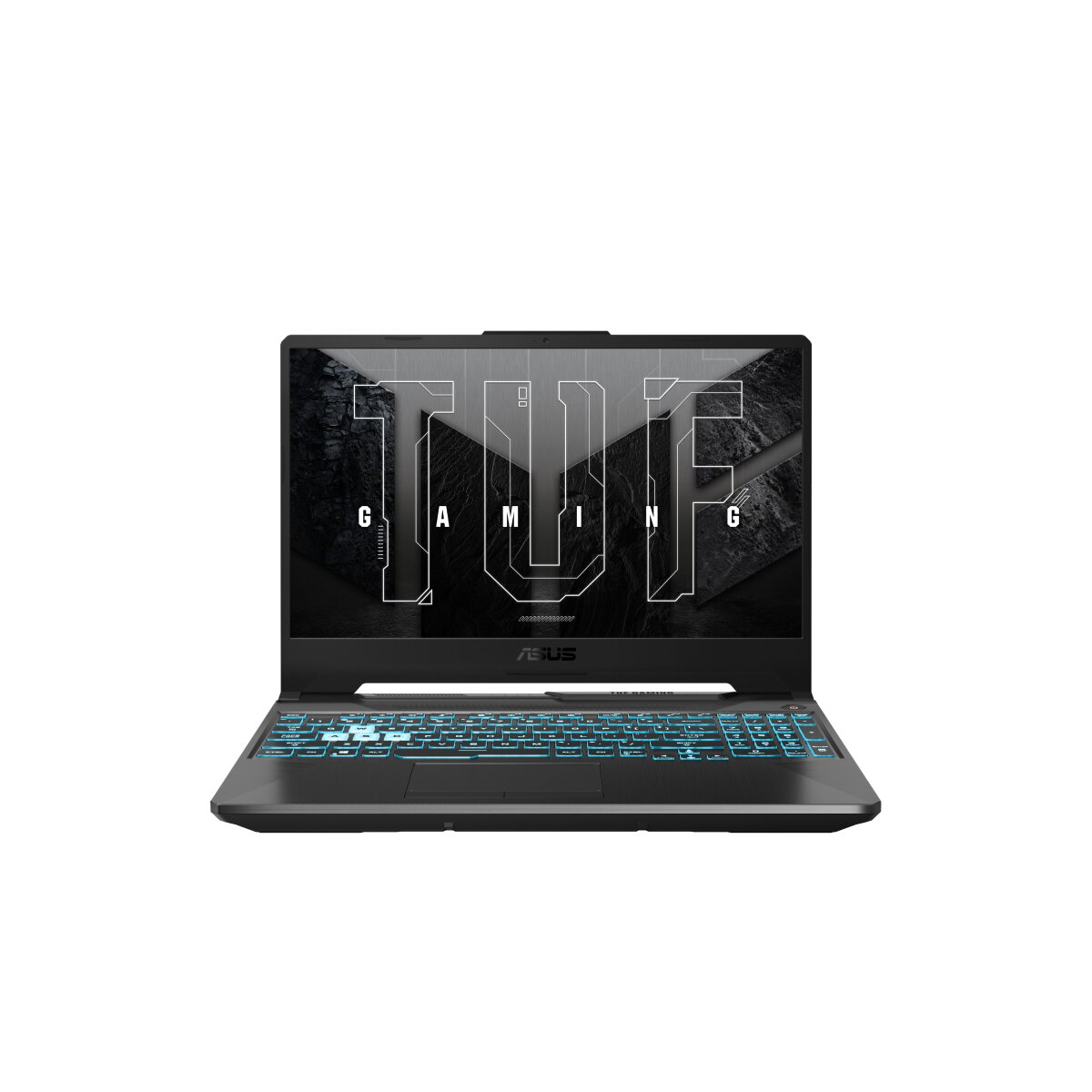
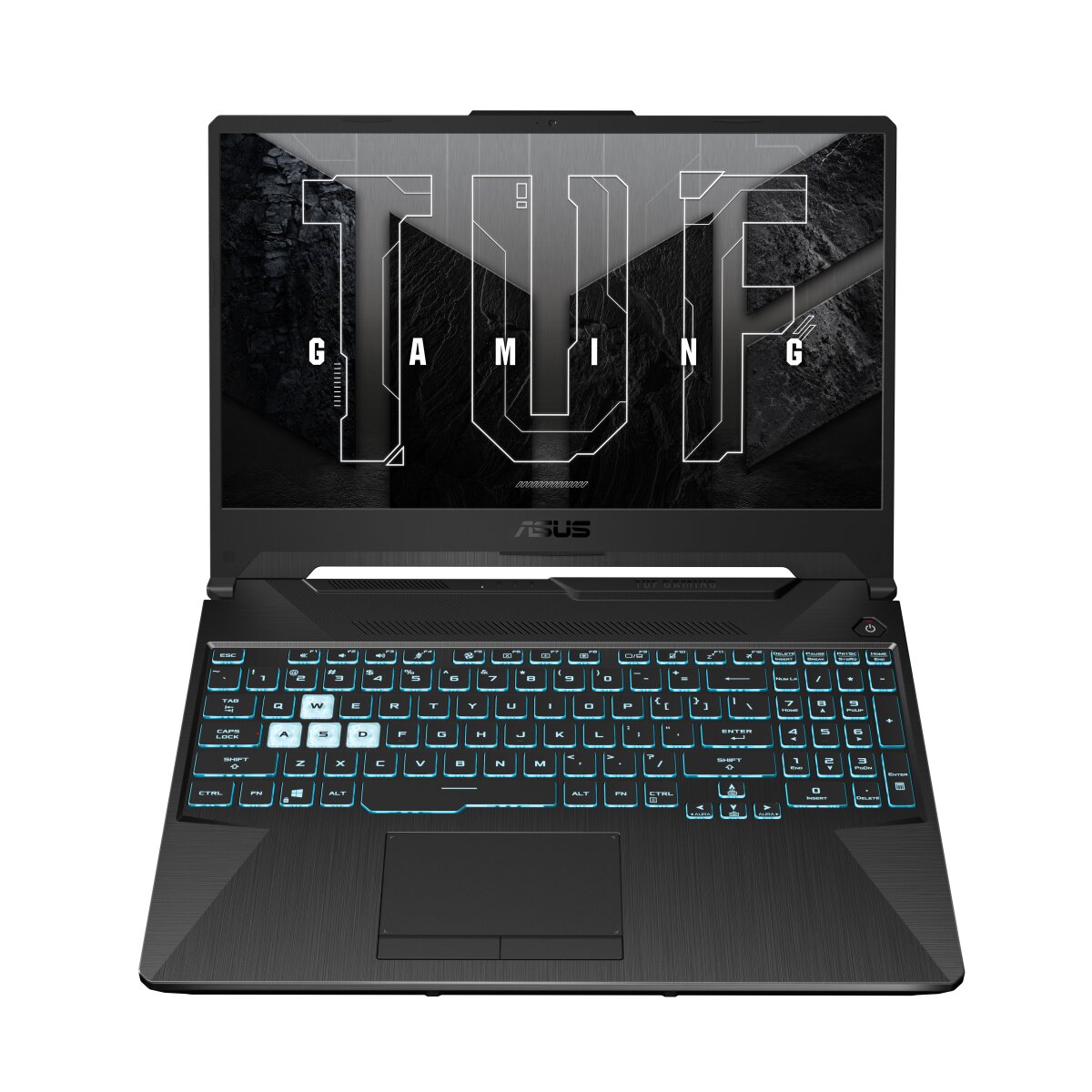
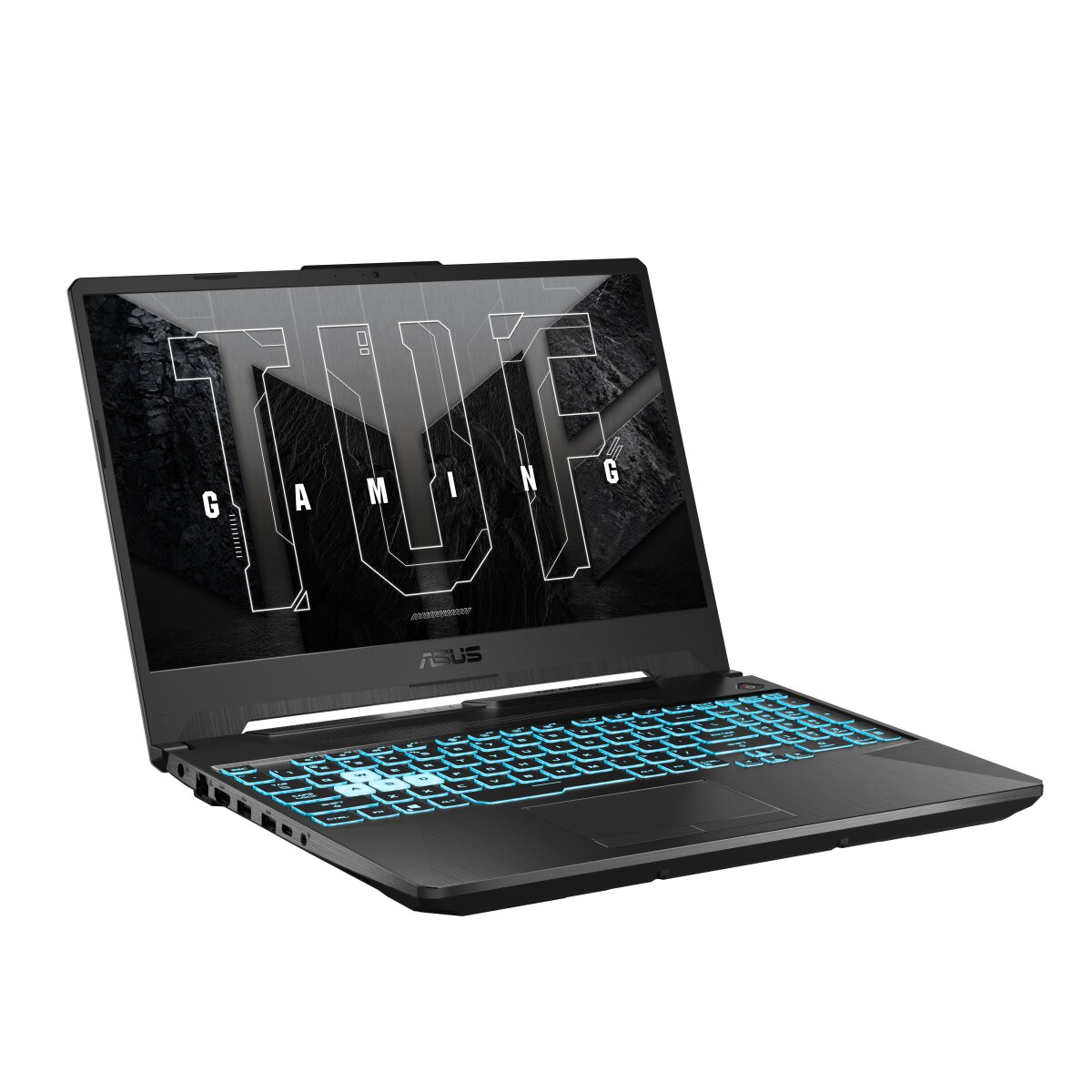
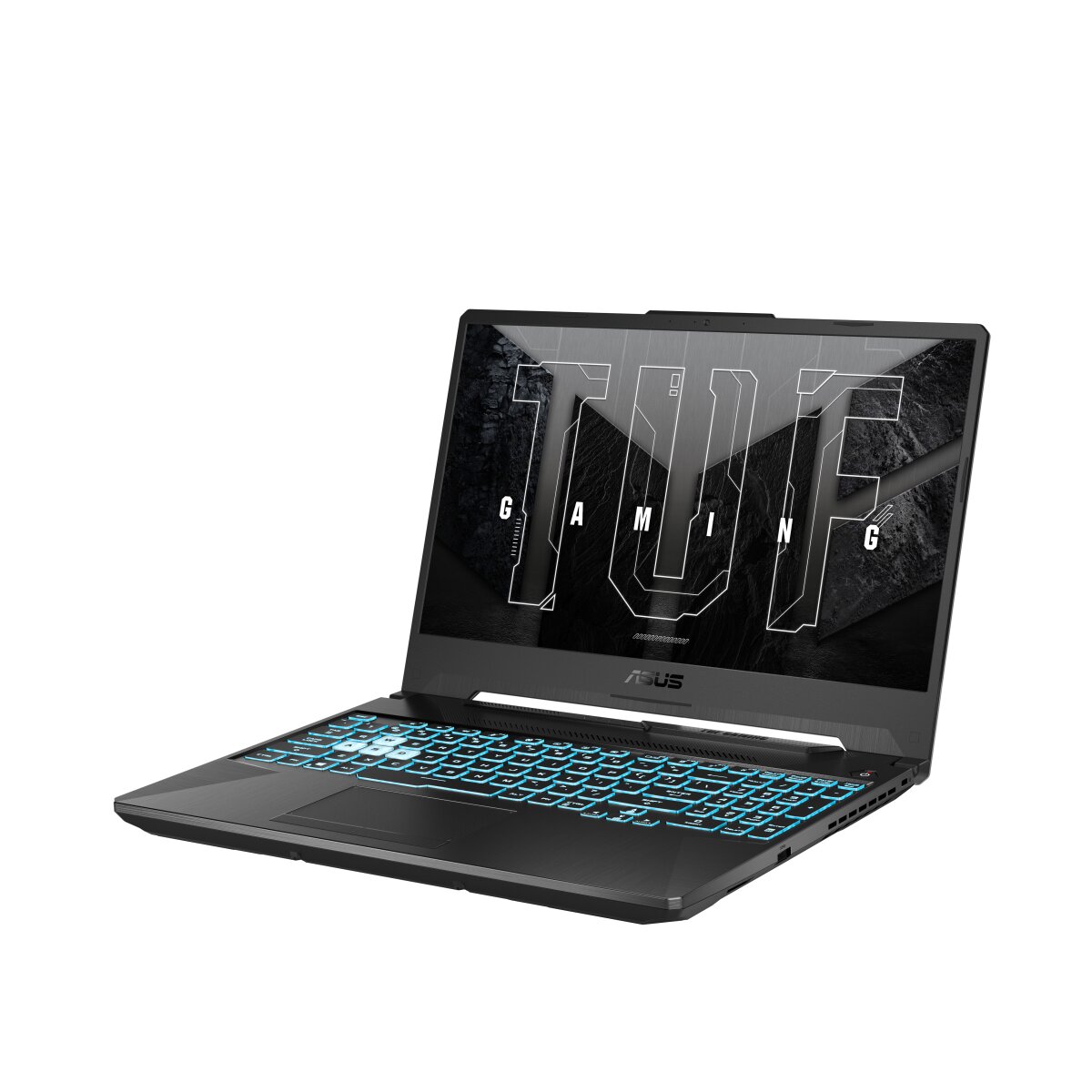
ASUS TUF Gaming F15 FX506HF-51B25PS1 laptop memory upgrade specifications include DDR4-SDRAM compatible modules in SO-DIMM form factor. The system features two memory slots supporting maximum capacity of 32 GB total RAM. Memory modules operate at 3200 MHz frequency. Upgrade options accommodate standard DDR4 SO-DIMM specifications compatible with this laptop configuration.
Memory Upgrade Specifications
| Specification | Value |
|---|---|
| Memory slots | 2x SO-DIMM |
| Form factor | SO-DIMM |
| Memory type | DDR4-SDRAM |
| Frequency | 3200 MHz |
| Maximum RAM | 32 GB |
| Voltage | 1.2V |
| Number of pins | 260-pin |
| Interface | PC4 |
| PC Speed Rating | PC4-3200 (PC4-25600) |
| Bandwidth | 25.6 GB/s |
| Laptop Release date | 25 March 2023 |
Additional Notes
- The ASUS TUF Gaming FX506HF-51B25PS1 accepts dual-channel DDR4 configurations, enabling bandwidth aggregation when matched modules populate both slots simultaneously.
- Modules rated below 3200 MHz will clock down the entire memory subsystem to the slower module's frequency, creating an asymmetric performance penalty.
- DDR4-3200 represents the native JEDEC standard speed for this platform, eliminating the need for XMP profile activation or BIOS-level overclocking intervention.
- The 32 GB ceiling implies compatibility with 16 GB density SO-DIMM modules, which require dual-rank or single-rank high-density IC configurations.
- SO-DIMM modules exceeding 1.2V operating voltage may trigger thermal throttling under sustained gaming workloads due to compact laptop cooling architectures.
- Mixing modules with differing CAS latencies forces the memory controller to adopt the higher latency timing, reducing effective throughput even when frequency remains constant.
- Upgrading from single-channel to dual-channel configurations delivers measurable gains in integrated graphics workloads and CPU-bound tasks relying on memory bandwidth.
- Non-standard module heights above 30mm may physically interfere with keyboard assemblies or thermal solutions in this chassis architecture.
- Both SO-DIMM slots typically remain user-accessible through a bottom panel service door without voiding manufacturer warranties, unlike soldered configurations.
- DDR5 modules lack backward electrical and physical compatibility with DDR4 slots, prohibiting future migration to newer memory standards without motherboard replacement.