ASUS TUF Gaming FX506HF-HN031 RAM upgrade specifications
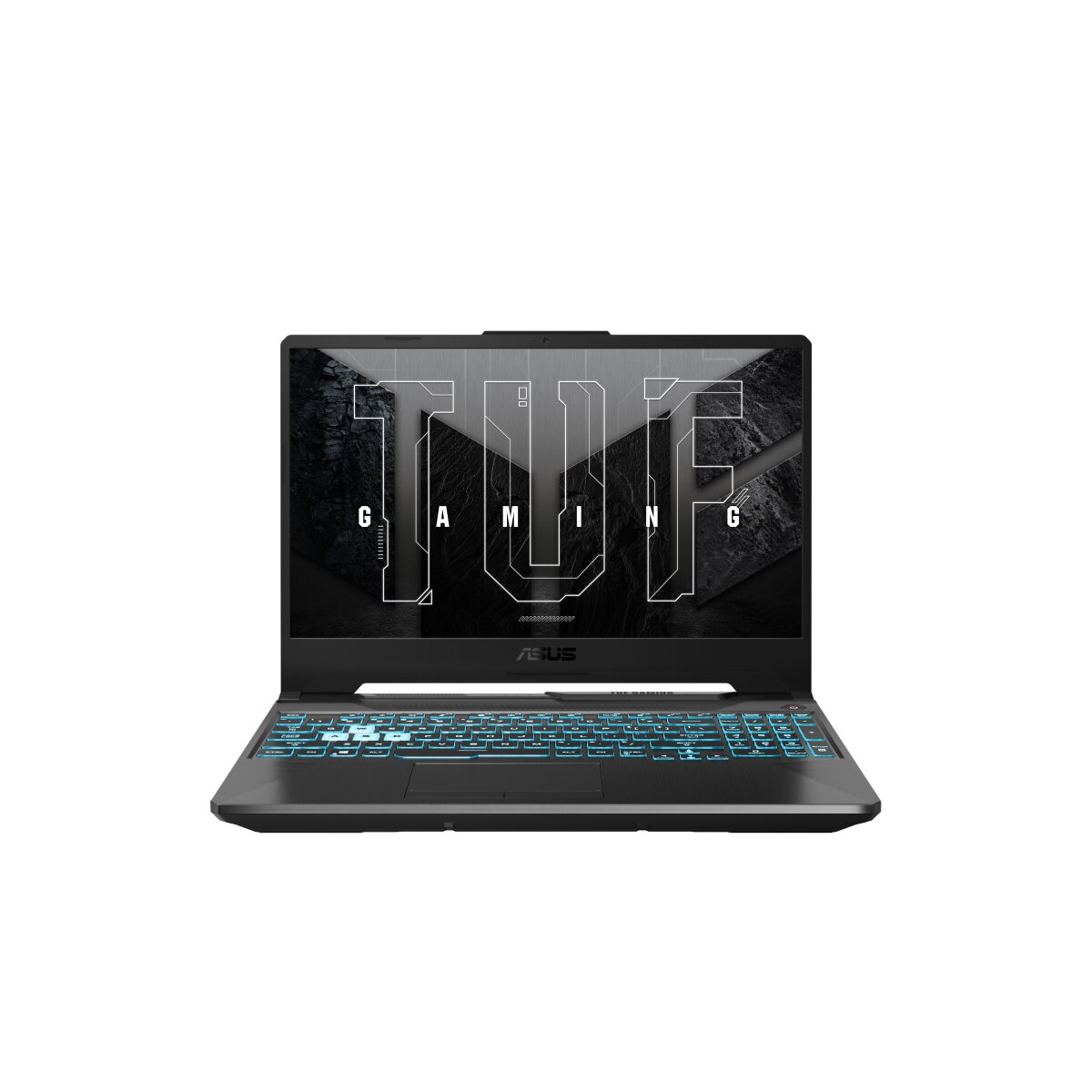


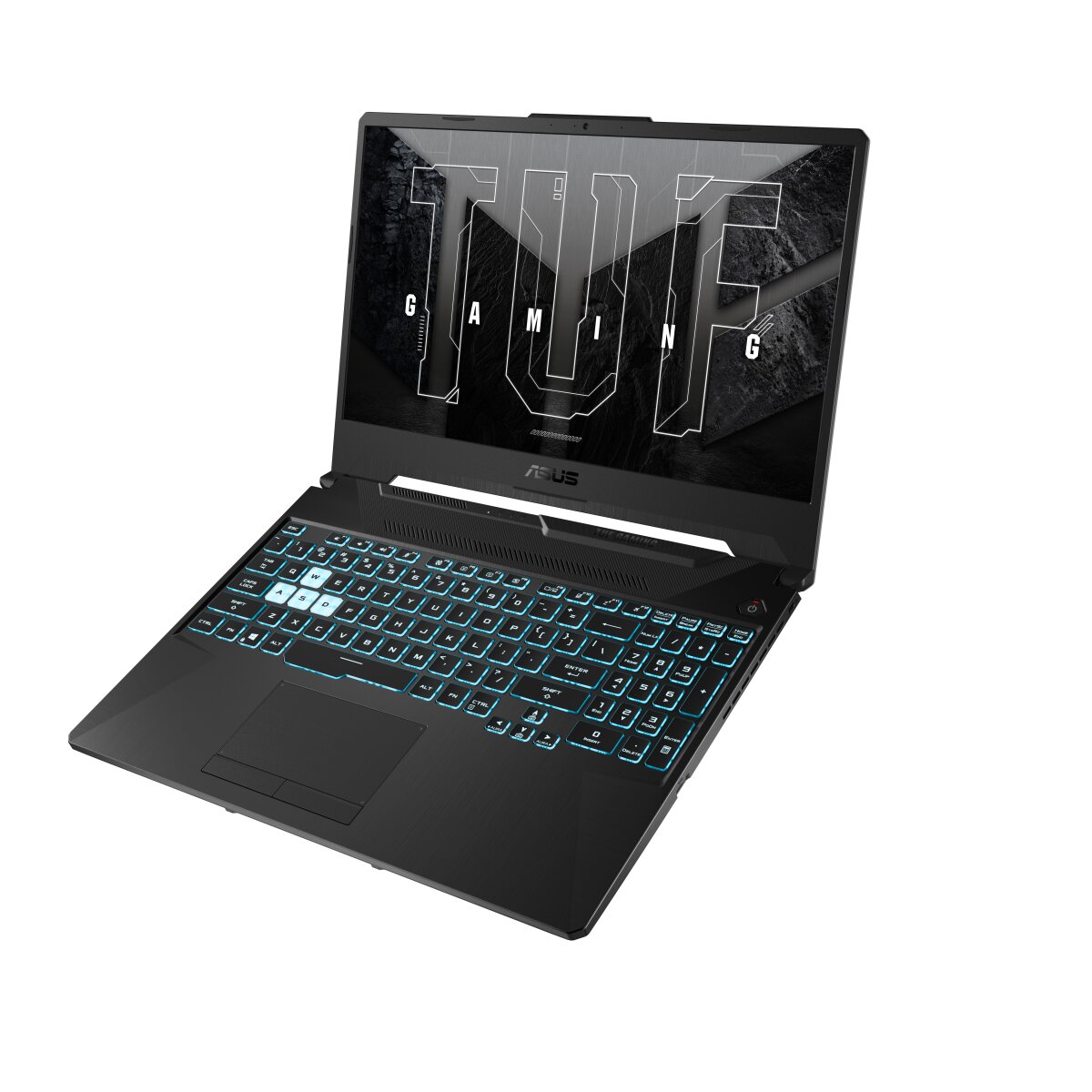

ASUS TUF Gaming F15 FX506HF-HN031 laptop RAM upgrade specifications: DDR4-SDRAM memory type with 2x SO-DIMM slots supporting maximum capacity of 32 GB. Compatible memory operates at 3200 MHz frequency. Upgrade specifications indicate SO-DIMM form factor modules compatible with the FX506HF-HN031 model. Maximum RAM capacity of 32 GB achievable through dual-slot memory configuration. DDR4-SDRAM specifications define memory upgrade compatibility and performance parameters for the ASUS TUF Gaming F15 series laptop.
Memory Upgrade Specifications
| Specification | Value |
|---|---|
| Memory slots | 2x SO-DIMM |
| Form factor | SO-DIMM |
| Memory type | DDR4-SDRAM |
| Frequency | 3200 MHz |
| Maximum RAM | 32 GB |
| Voltage | 1.2V |
| Number of pins | 260-pin |
| Interface | PC4 |
| PC Speed Rating | PC4-3200 (PC4-25600) |
| Bandwidth | 25.6 GB/s |
| Laptop Release date | 01 March 2023 |
Additional Notes
- The ASUS TUF Gaming FX506HF-HN031 supports only DDR4-SDRAM modules, making DDR5 memory incompatible regardless of future motherboard revisions or BIOS updates.
- Dual SO-DIMM slots impose a maximum addressable capacity of 32 GB total, limiting configurations to two 16 GB modules at parity; single-module upgrades leave 50% of potential memory bandwidth unutilized.
- 3200 MHz rated frequency establishes the upper operational speed ceiling; faster memory modules will downclock to this specification, rendering premium-tier DDR4 variants economically inefficient.
- SO-DIMM form factor requires low-profile memory modules with reduced heatspreaders; full-height or thick thermal solutions may obstruct internal chassis clearance during installation or removal.
- Warranty retention during RAM upgrades depends on using unmodified factory modules or officially compatible replacements; third-party memory from non-OEM-validated suppliers may void coverage even when specifications match.
- Bandwidth saturation potential exists if paired with high-core-count processors; the 2-slot architecture may create latency penalties under simultaneous multi-threaded memory access compared to 4-slot configurations.
- Capacity ceiling at 32 GB limits future-proofing; migration to substantially higher memory configurations requires complete system replacement rather than additive upgrades.