ASUS TUF Gaming FX506LI-HN085T RAM upgrade specifications
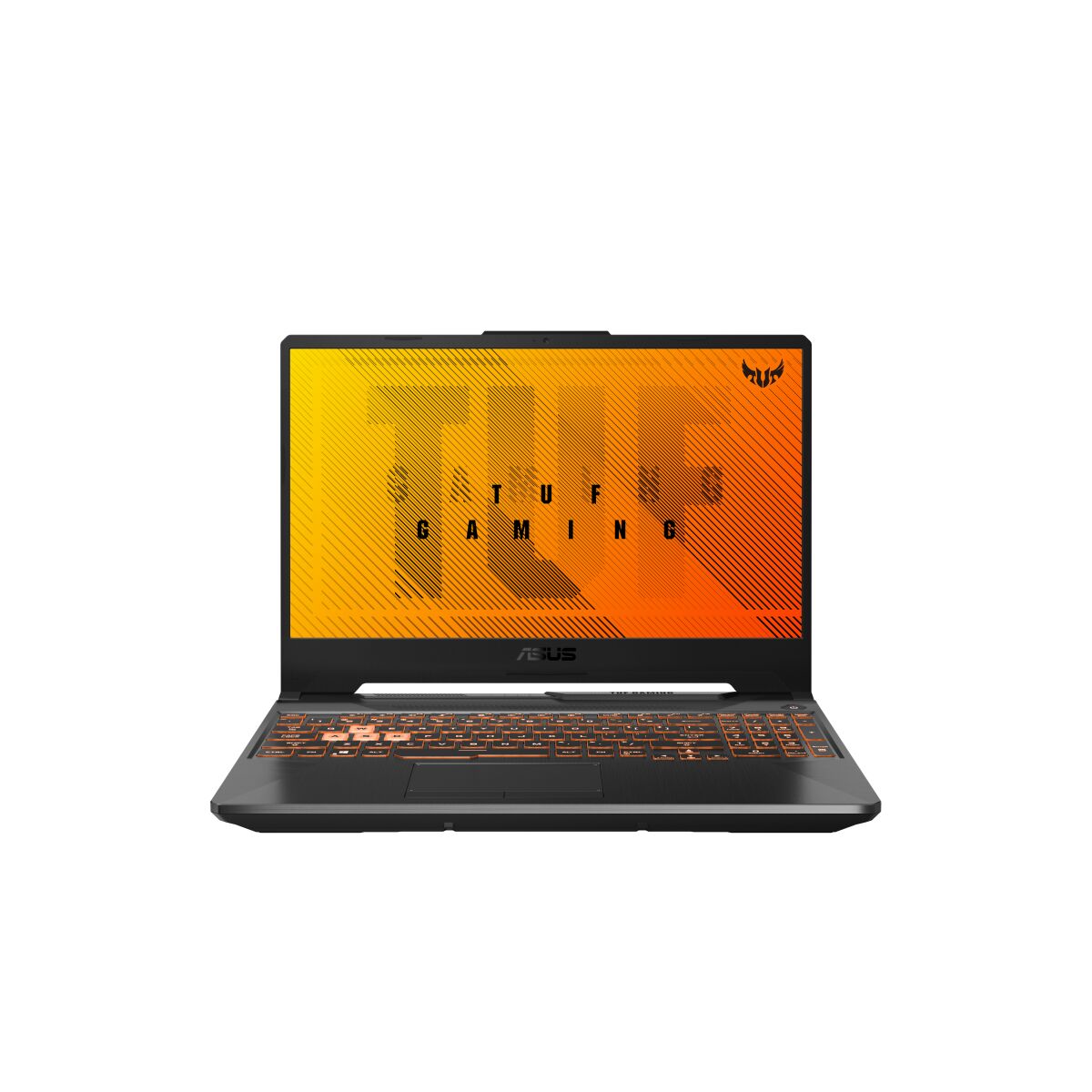
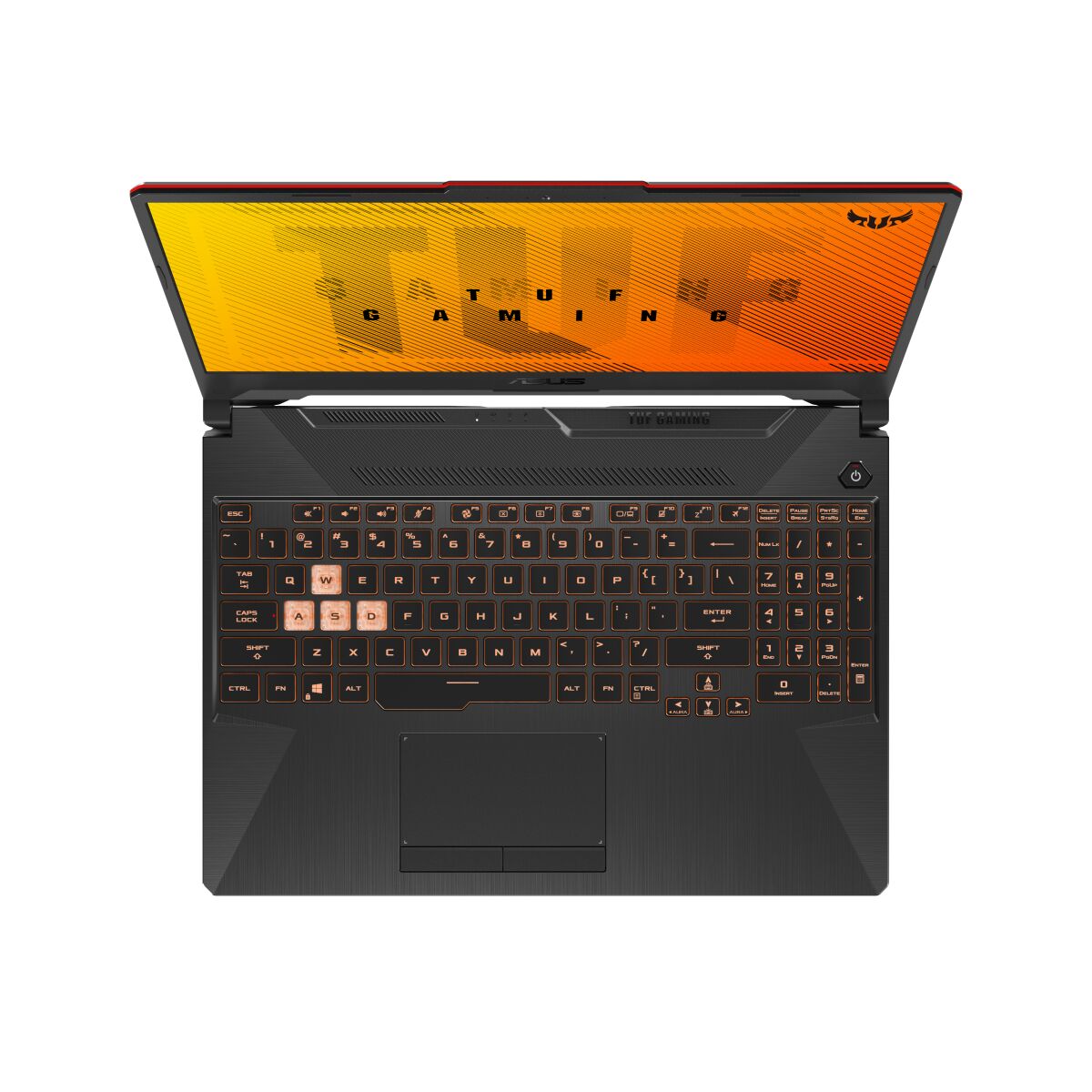



The ASUS TUF Gaming F15 FX506LI-HN085T features 2x SO-DIMM memory slots supporting DDR4-SDRAM upgrades. The laptop accommodates a maximum RAM capacity of 32 GB total, with compatible modules operating at 2933 MHz frequency. Memory upgrade specifications enable users to expand the system's memory configuration using standard SO-DIMM form factor modules for enhanced multitasking and performance capabilities.
Memory Upgrade Specifications
| Specification | Value |
|---|---|
| Memory slots | 2x SO-DIMM |
| Form factor | SO-DIMM |
| Memory type | DDR4-SDRAM |
| Frequency | 2933 MHz |
| Maximum RAM | 32 GB |
| Voltage | 1.2V |
| Number of pins | 260-pin |
| Interface | PC4 |
| PC Speed Rating | PC4-2933 (PC4-23464) |
| Bandwidth | 23.5 GB/s |
| Laptop Release date | 22 April 2021 |
Additional Notes
- Dual-channel memory architecture is only achievable when installing 2 modules of identical capacity and frequency, which significantly improves integrated logic and processor communication speeds.
- The **ASUS TUF Gaming FX506LI-HN085T** motherboard chipset imposes a hardware ceiling that prevents memory modules from operating beyond the rated 2933 MHz, regardless of higher speed ratings on replacement sticks.
- Upgrading to the 32 GB maximum capacity requires replacing existing modules if both slots are currently occupied, as no additional expansion headers exist beyond the 2 available SO-DIMM sockets.
- Latency disparities occur if modules with different CAS timings are mixed, forcing the system to operate at the slowest common denominator for stability.
- Physical installation requires standard static discharge precautions and non-conductive prying tools to avoid short-circuiting the dense internal circuitry near the RAM housing.
- Thermal constraints within the chassis suggest using modules without bulky external heat spreaders to ensure the bottom panel closes without applying mechanical pressure to the motherboard.
- Populating both slots reduces the bottleneck on the CPU memory controller during heavy multitasking or high-frame-rate rendering scenarios.