ASUS TUF Gaming FX506LU-HN002 RAM upgrade specifications



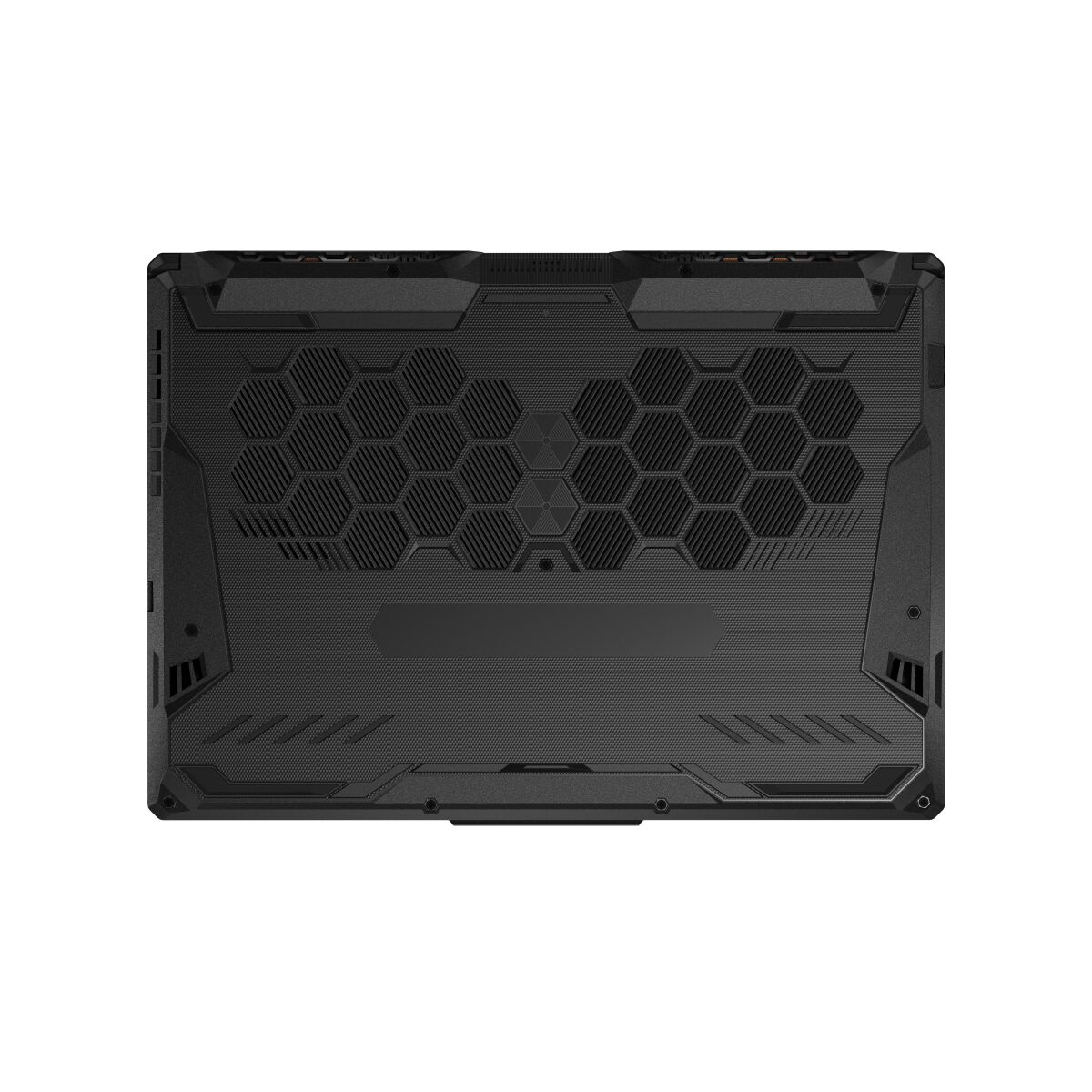

ASUS TUF Gaming F15 FX506LU-HN002 laptop memory upgrade specifications include two SO-DIMM slots supporting DDR4-SDRAM modules. Compatible memory operates at 2933 MHz frequency with maximum RAM capacity of 32 GB. The FX506LU-HN002 model accommodates standard SO-DIMM form factor upgrades, allowing users to expand total system memory from factory configuration to supported maximum specifications through compatible DDR4 modules installed in available memory slots.
Memory Upgrade Specifications
| Specification | Value |
|---|---|
| Memory slots | 2x SO-DIMM |
| Form factor | SO-DIMM |
| Memory type | DDR4-SDRAM |
| Frequency | 2933 MHz |
| Maximum RAM | 32 GB |
| Voltage | 1.2V |
| Number of pins | 260-pin |
| Interface | PC4 |
| PC Speed Rating | PC4-2933 (PC4-23464) |
| Bandwidth | 23.5 GB/s |
| Laptop Release date | 16 November 2020 |
Additional Notes
- The 2933 MHz frequency indicates a hardware limitation imposed by the integrated memory controller of the 10th Gen Intel Core processors typically found in the ASUS TUF Gaming FX506LU-HN002.
- Installing memory modules with speeds higher than 2933 MHz results in automatic downclocking to match the system bus limit, providing no additional performance benefits.
- The presence of 2 SO-DIMM slots allows for a dual-channel configuration, which significantly increases memory bandwidth compared to single-channel setups during gaming and rendering tasks.
- Reaching the 32 GB maximum capacity requires the removal of all factory-installed modules because the motherboard lacks soldered memory banks.
- High-density 32 GB single sticks are incompatible with this internal architecture as the total platform limit is capped at 16 GB per slot.
- Upgrading memory necessitates the use of a non-conductive pry tool to release the plastic clips of the bottom chassis cover to avoid structural damage to the casing.
- Asynchronous memory configurations consisting of mismatched capacities will trigger Intel Flex Memory Technology, resulting in only partial dual-channel bandwidth optimization.
- System stability depends on selecting modules with a standard 1.2V operating voltage to maintain compatibility with the fixed power delivery of the RAM slots.