ASUS TUF Gaming FX506LI-HN109 RAM upgrade specifications
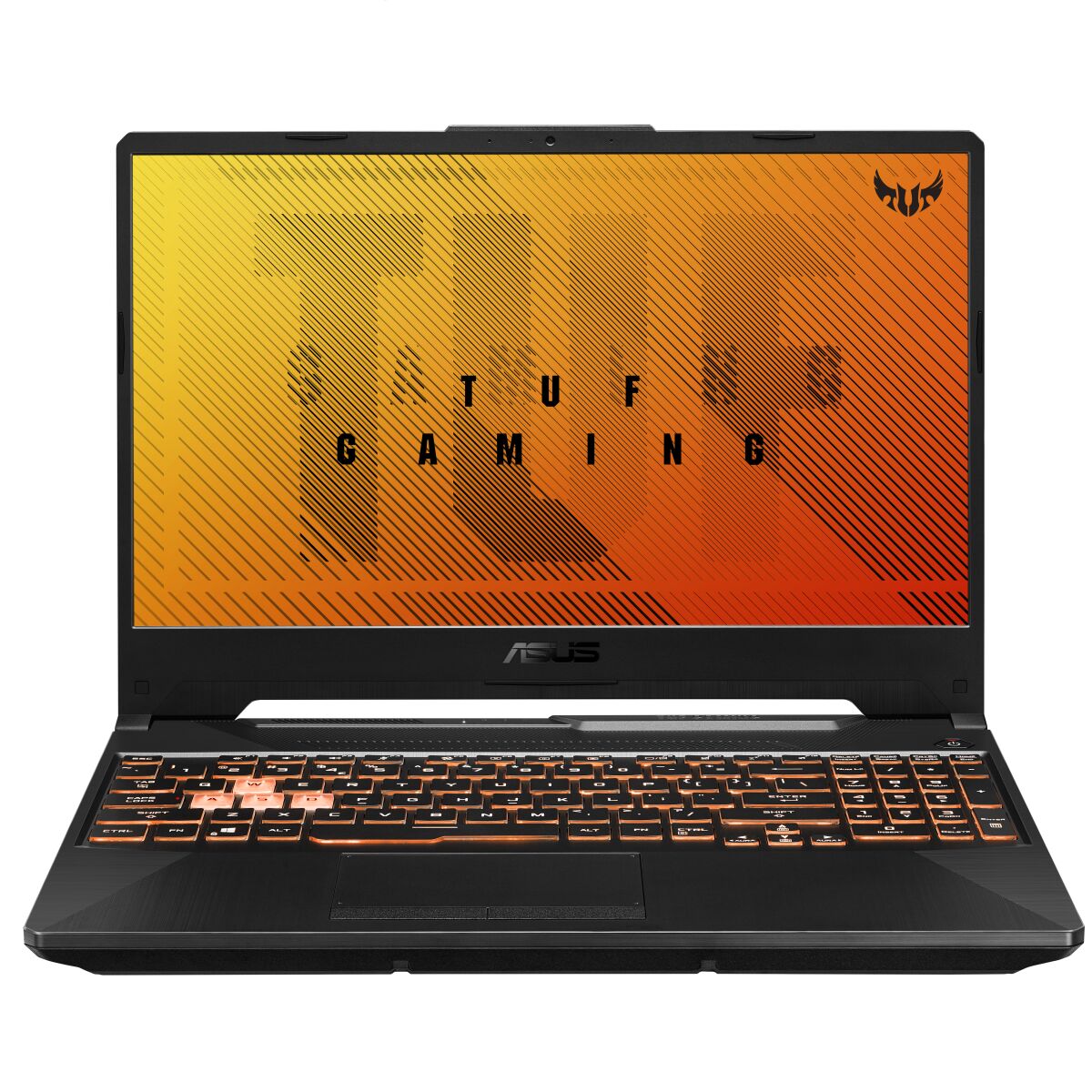
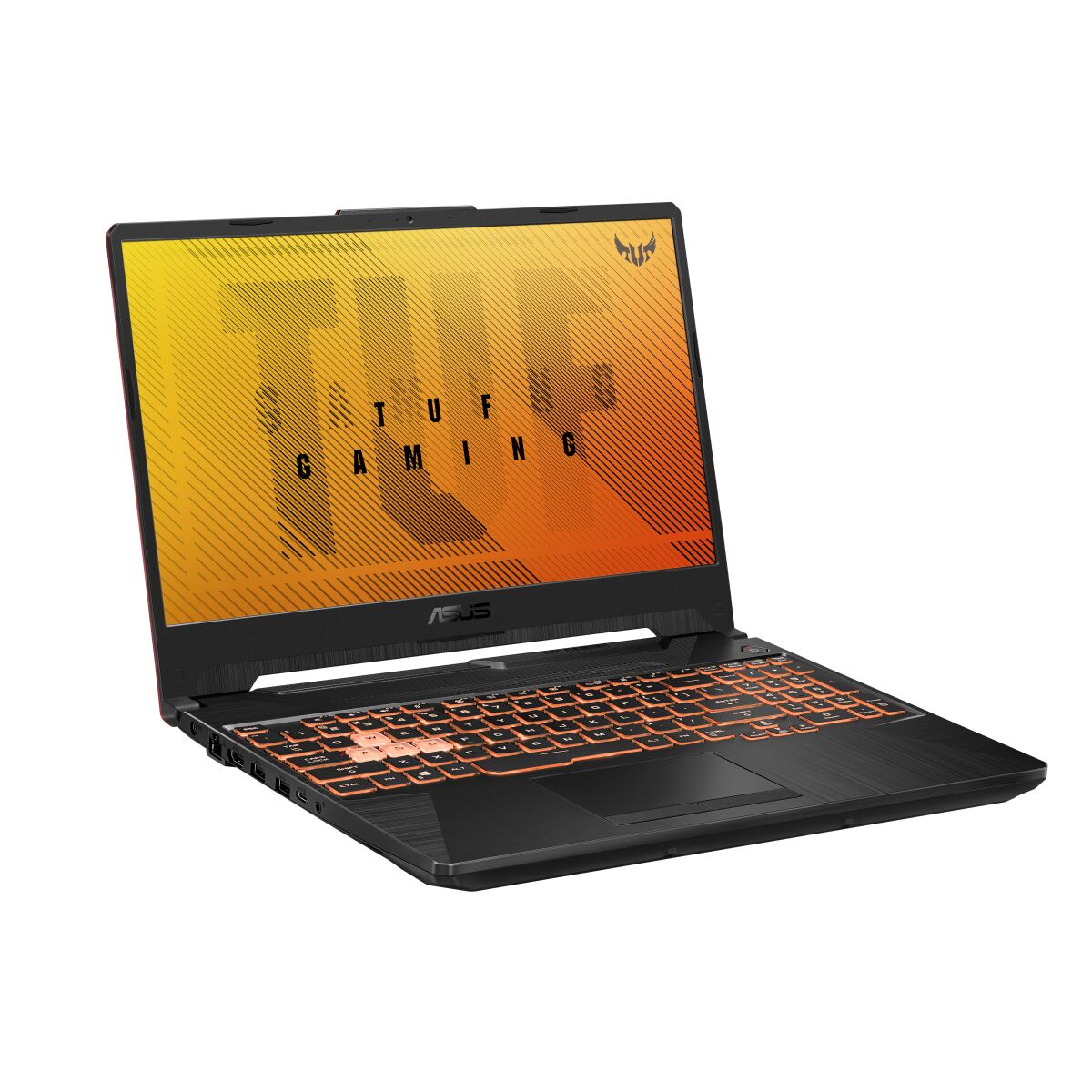
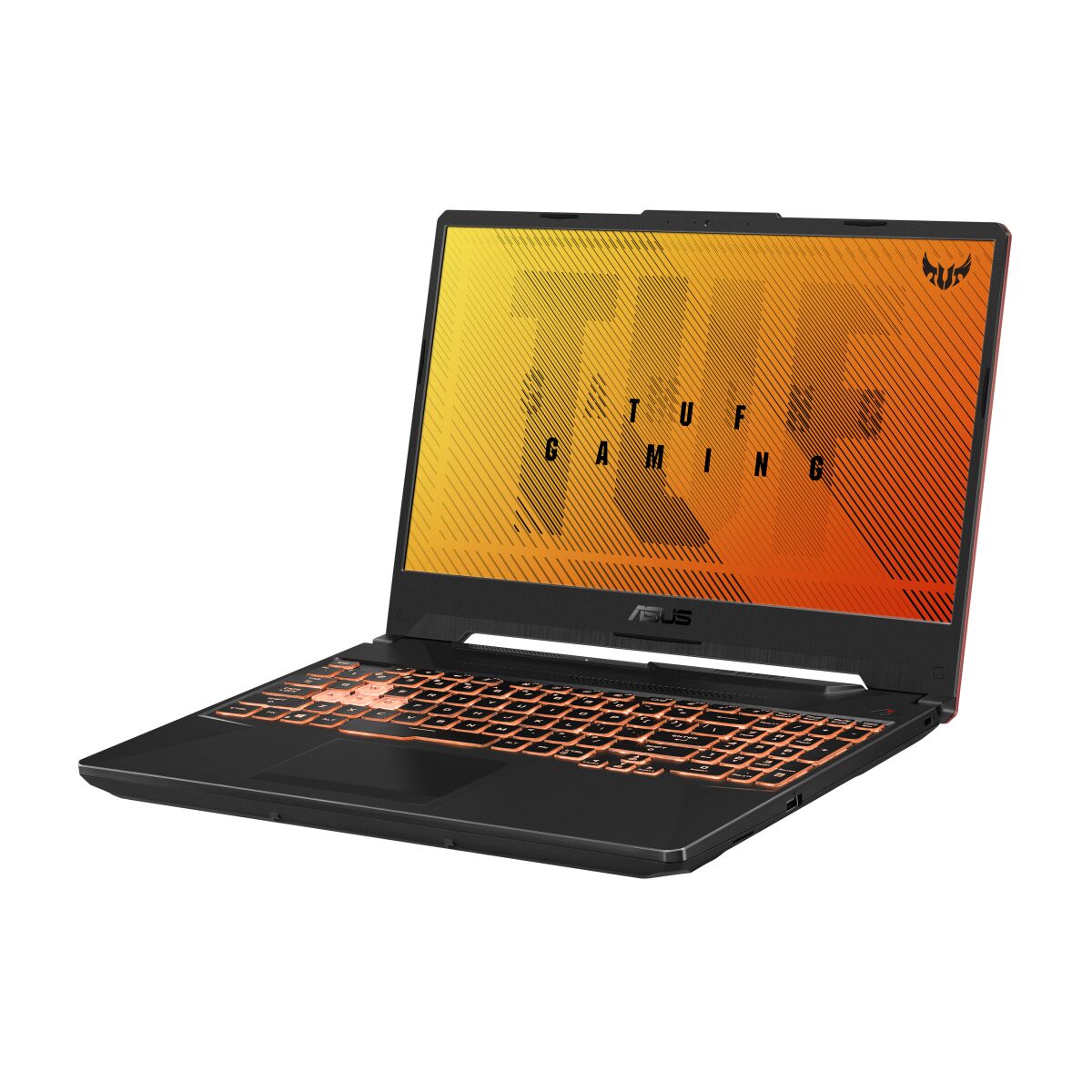
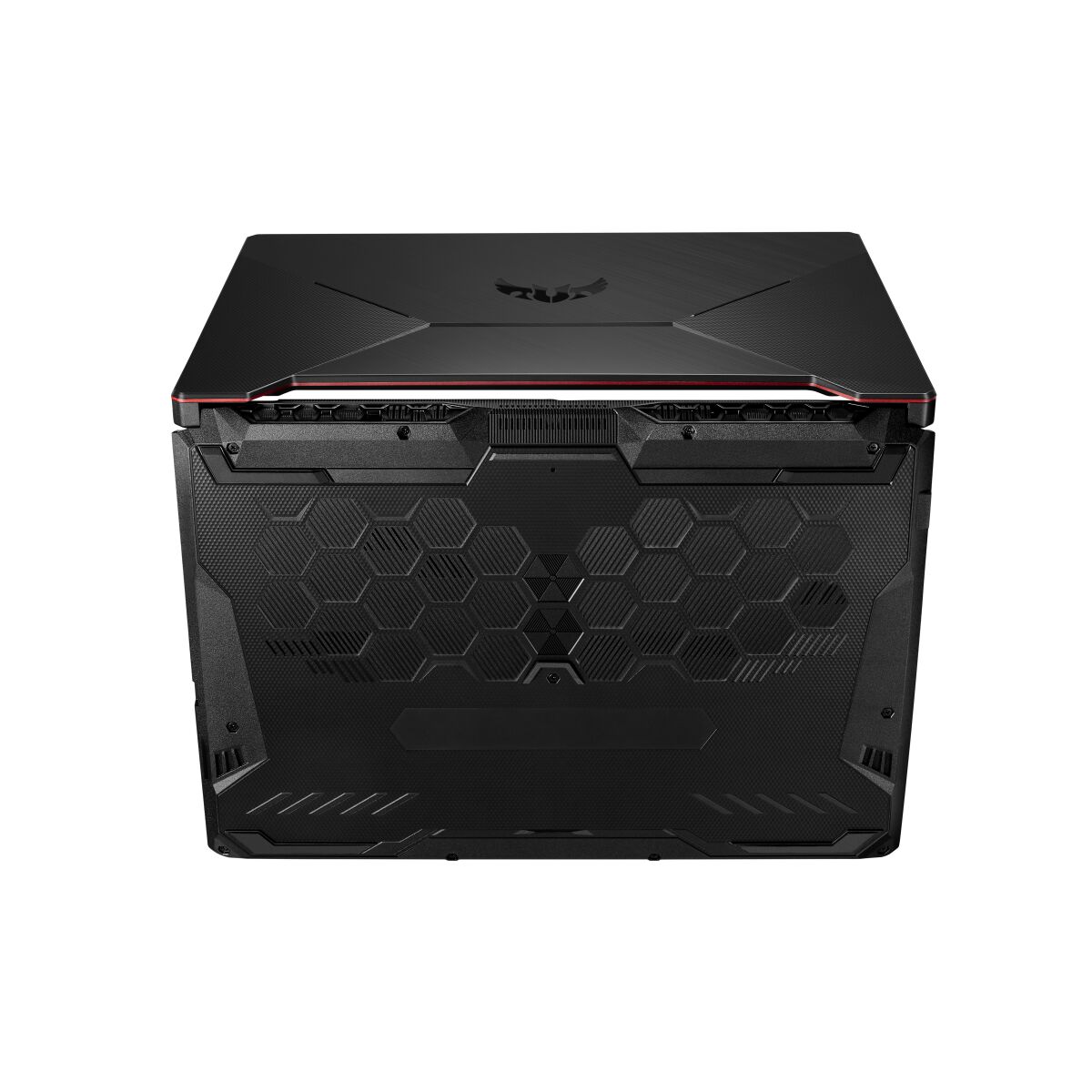
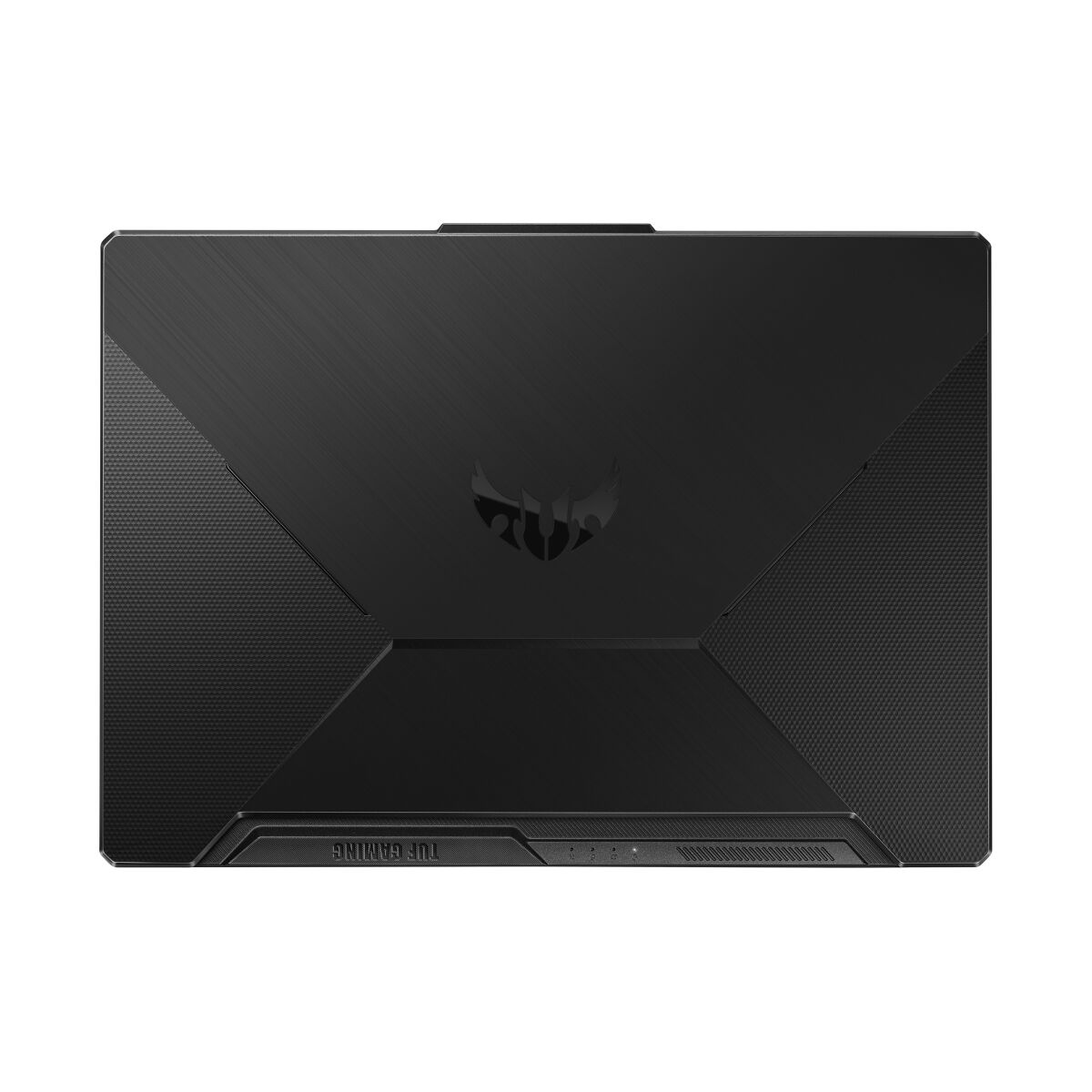
The ASUS TUF Gaming F15 FX506LI-HN109 features DDR4-SDRAM memory configuration with 2x SO-DIMM slots supporting maximum capacity of 32 GB. Compatible memory upgrades utilize SO-DIMM form factor specifications operating at 2933 MHz frequency. The laptop specifications accommodate RAM upgrade options up to the maximum supported capacity, with dual memory slots enabling flexible upgrade paths for enhanced system performance and multitasking capabilities.
Memory Upgrade Specifications
| Specification | Value |
|---|---|
| Memory slots | 2x SO-DIMM |
| Form factor | SO-DIMM |
| Memory type | DDR4-SDRAM |
| Frequency | 2933 MHz |
| Maximum RAM | 32 GB |
| Voltage | 1.2V |
| Number of pins | 260-pin |
| Interface | PC4 |
| PC Speed Rating | PC4-2933 (PC4-23464) |
| Bandwidth | 23.5 GB/s |
| Laptop Release date | 02 February 2021 |
Additional Notes
- The ASUS TUF Gaming FX506LI-HN109 supports DDR4 modules exclusively, preventing installation of newer DDR5 memory despite potential cost advantages or availability in future markets.
- The 32 GB maximum capacity imposes a ceiling for memory-intensive workloads such as virtualization with multiple simultaneous virtual machines or large dataset processing.
- Both SO-DIMM slots must accept identical frequency modules to maintain dual-channel operation, as mixing speeds forces all installed memory to run at the lowest common frequency.
- The 2933 MHz native frequency provides 23.5 GB/s theoretical bandwidth per channel, which may bottleneck GPU-intensive tasks when the discrete graphics card shares system memory for certain operations.
- Installing a single module disables dual-channel mode, reducing memory bandwidth by approximately 50% and potentially limiting integrated graphics performance during hybrid GPU switching.
- The SO-DIMM form factor restricts aftermarket upgrade options compared to desktop DIMM availability, typically resulting in higher per-gigabyte costs for equivalent specifications.
- Modules rated above 2933 MHz will function but downclock to match the supported frequency, offering no performance benefit over native-speed memory while potentially increasing cost.
- Accessing the memory slots requires bottom panel removal, which may void warranty seals on certain regional models or require adherence to specific disassembly procedures to maintain coverage.
- The maximum 16 GB per slot configuration leaves no intermediate upgrade path between 32 GB total and lower capacities, requiring full module replacement for users starting with 8 GB modules.
- Non-ECC unbuffered memory represents the only compatible architecture, as registered or error-correcting modules will either fail POST or remain unrecognized by the consumer-grade chipset.