ASUS TUF Gaming FX507VV-LP269-GAMING RAM upgrade specifications




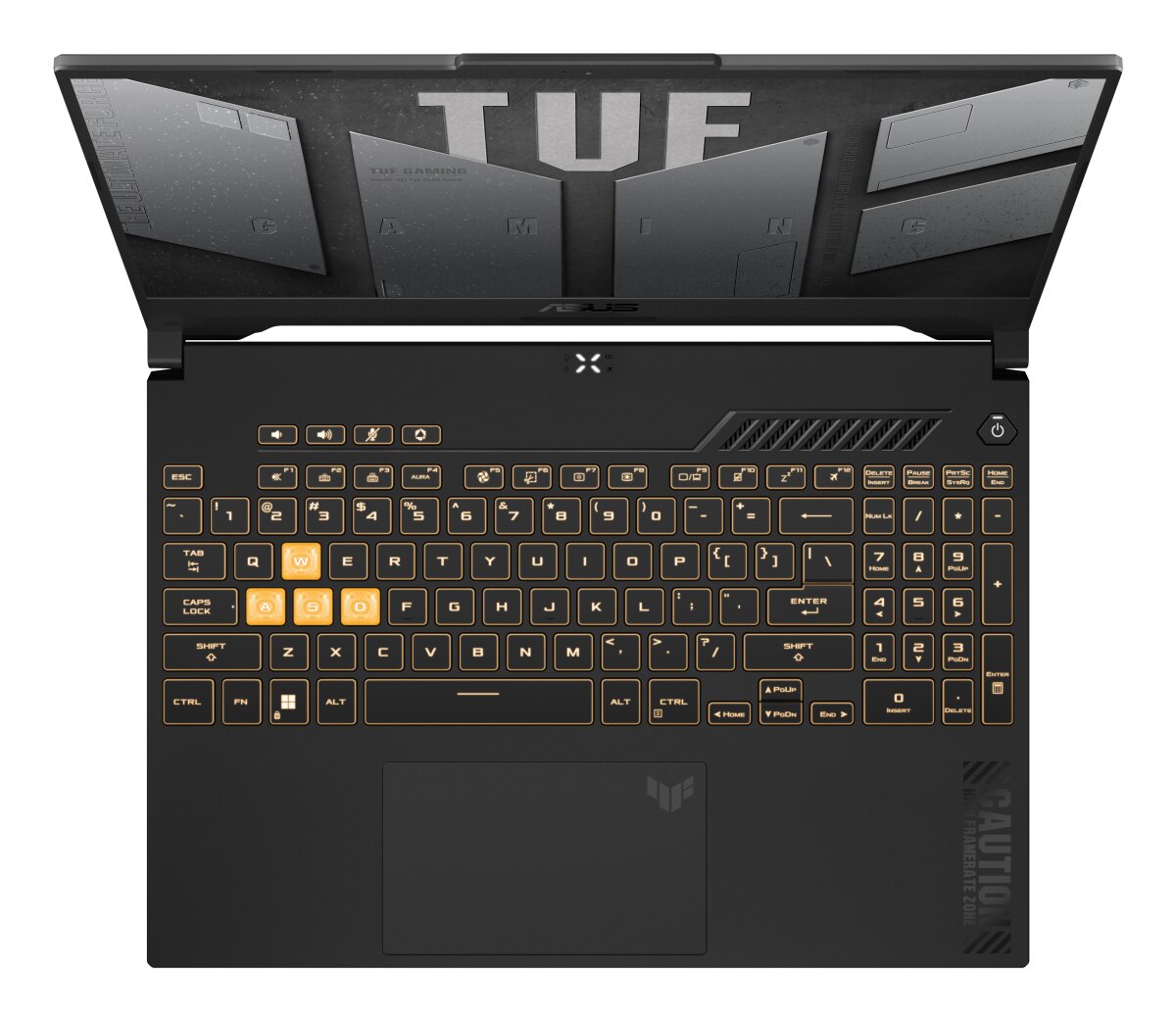
ASUS TUF Gaming F15 FX507VV-LP269-GAMING laptop features DDR5-SDRAM memory with two SO-DIMM slots supporting maximum RAM capacity of 32 GB. Memory upgrade specifications include DDR5-SDRAM operating at 4800 MHz frequency. Compatible RAM modules utilize SO-DIMM form factor for this gaming notebook. Maximum memory configuration achieves 32 GB total capacity through dual slot configuration. Upgrade slots accommodate standard DDR5 SO-DIMM memory modules meeting specified frequency and compatibility parameters.
Memory Upgrade Specifications
| Specification | Value |
|---|---|
| Memory slots | 2x SO-DIMM |
| Form factor | SO-DIMM |
| Memory type | DDR5-SDRAM |
| Frequency | 4800 MHz |
| Maximum RAM | 32 GB |
| Voltage | 1.1V |
| Number of pins | 262-pin |
| Interface | PC5 |
| PC Speed Rating | PC5-4800 (PC5-38400) |
| Bandwidth | 38.4 GB/s |
Additional Notes
- The dual channel configuration requirement necessitates installing modules in matched pairs to achieve maximum memory bandwidth for the ASUS TUF Gaming FX507VV-LP269-GAMING processor.
- Physical memory expansion is restricted to the 2 available SO-DIMM slots as no memory is soldered to the motherboard.
- Installing modules with frequencies higher than 4800 MHz will result in automatic downclocking to meet the hardware controller limitations.
- Total system capacity caps at 32 GB which defines the upper limit for high resolution video editing and complex virtual machine environments.
- The DDR5 architecture utilizes on-die ECC and internal power management circuits which generate more heat than previous generations during sustained workloads.
- Upgrade procedures require a non-conductive pry tool to release the specialized plastic clips securing the bottom chassis cover.
- Latency performance depends on choosing modules with matching CAS latency values to prevent system instability or boot failures.
- The use of high density 16 GB modules in each slot is the only path to reach the maximum supported memory ceiling.