ASUS TUF Gaming FX507VV-LP313W RAM upgrade specifications




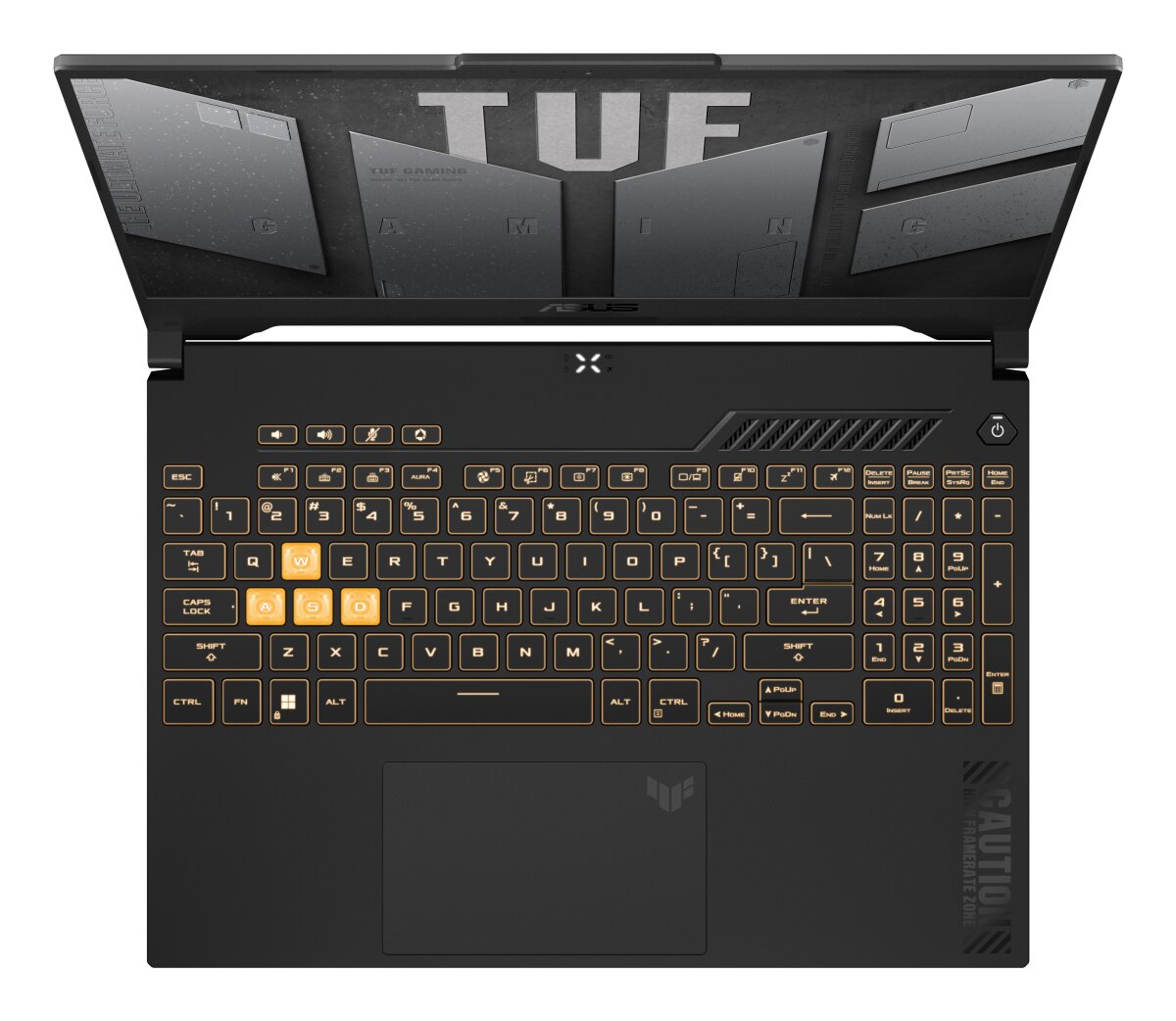
ASUS TUF Gaming F15 model FX507VV-LP313W features DDR5-SDRAM memory upgrade capacity. The laptop contains 2x SO-DIMM slots supporting maximum RAM expansion to 32 GB total capacity. Compatible memory modules operate at 4800 MHz frequency specifications. SO-DIMM form factor modules are required for upgrade compatibility with this gaming laptop model. Memory upgrade slots accommodate individual module capacities up to 16 GB per slot.
Memory Upgrade Specifications
| Specification | Value |
|---|---|
| Memory slots | 2x SO-DIMM |
| Form factor | SO-DIMM |
| Memory type | DDR5-SDRAM |
| Frequency | 4800 MHz |
| Maximum RAM | 32 GB |
| Voltage | 1.1V |
| Number of pins | 262-pin |
| Interface | PC5 |
| PC Speed Rating | PC5-4800 (PC5-38400) |
| Bandwidth | 38.4 GB/s |
Additional Notes
- The ASUS TUF Gaming FX507VV-LP313W uses DDR5 memory technology, which operates at higher voltages than DDR4 and requires modules specifically designed for DDR5 compatibility; DDR4 modules are physically and electrically incompatible.
- Both memory slots accept SO-DIMM format modules, which measure 67.6 mm in length compared to standard DIMM modules at 133.35 mm, making desktop memory physically incompatible with this system.
- The 32 GB maximum capacity limit is enforced by the chipset memory controller, restricting configurations to either 2x16 GB modules or asymmetric combinations like 1x8 GB plus 1x16 GB that total 32 GB or less.
- DDR5-4800 represents the official JEDEC standard speed, with higher frequency modules (5200, 5600, or 6000 MHz) potentially downclocking to 4800 MHz unless the system firmware supports XMP 3.0 or EXPO overclocking profiles.
- Installing modules with mismatched frequencies will force both modules to operate at the lower speed, creating a performance bottleneck for the faster module.
- Dual-channel memory architecture requires matched capacity modules in both slots to achieve maximum bandwidth; asymmetric configurations will operate in flex mode with reduced performance on memory addresses above the smaller module's capacity.
- DDR5 SO-DIMM modules contain onboard power management integrated circuits that regulate voltage independently, unlike DDR4 modules where motherboard circuitry handled power delivery.
- Memory upgrades on most manufacturer warranties remain permissible as long as the bottom panel removal does not break tamper-evident seals; however, damage caused during installation typically voids coverage for affected components.
- The 4800 MHz frequency provides 38.4 GB/s theoretical bandwidth per channel, totaling 76.8 GB/s in dual-channel configuration when both slots contain identical specification modules.
- DDR5 architecture employs 2 independent 32-bit channels per module compared to DDR4's single 64-bit channel, improving bank management efficiency but requiring compatible memory controller support.