ASUS TUF Gaming FX507VV-WS74 RAM upgrade specifications
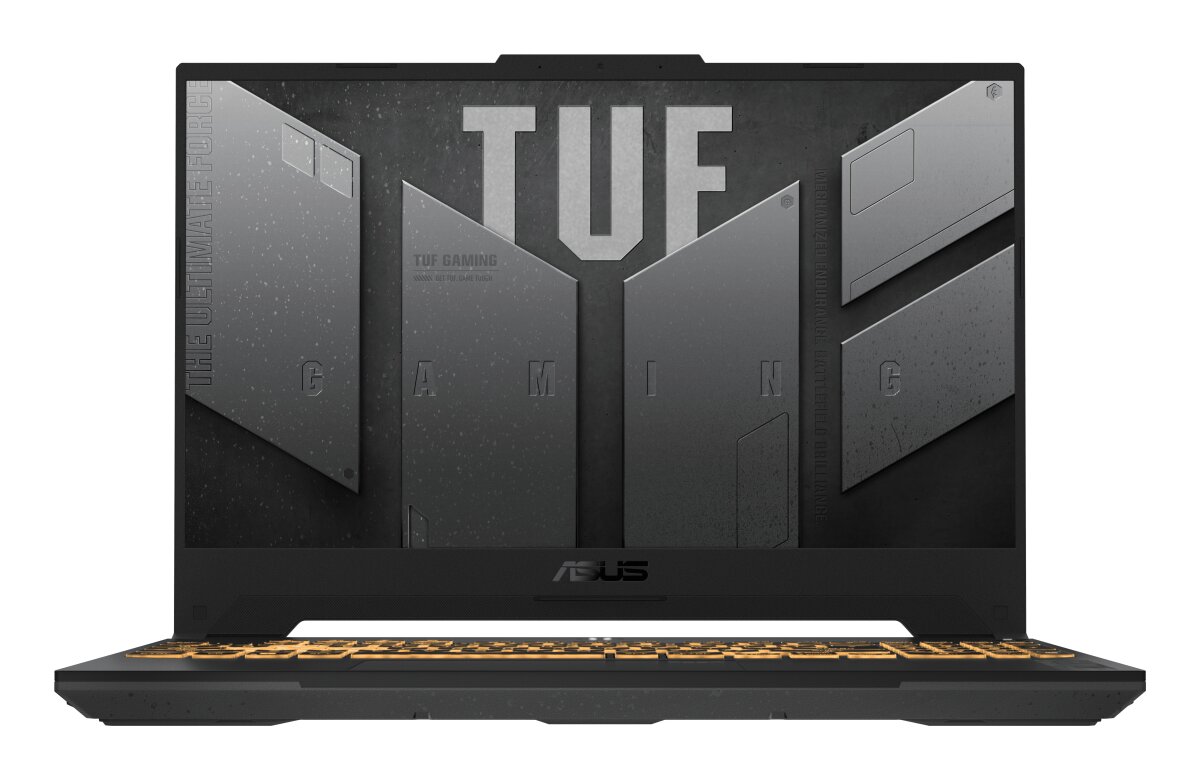



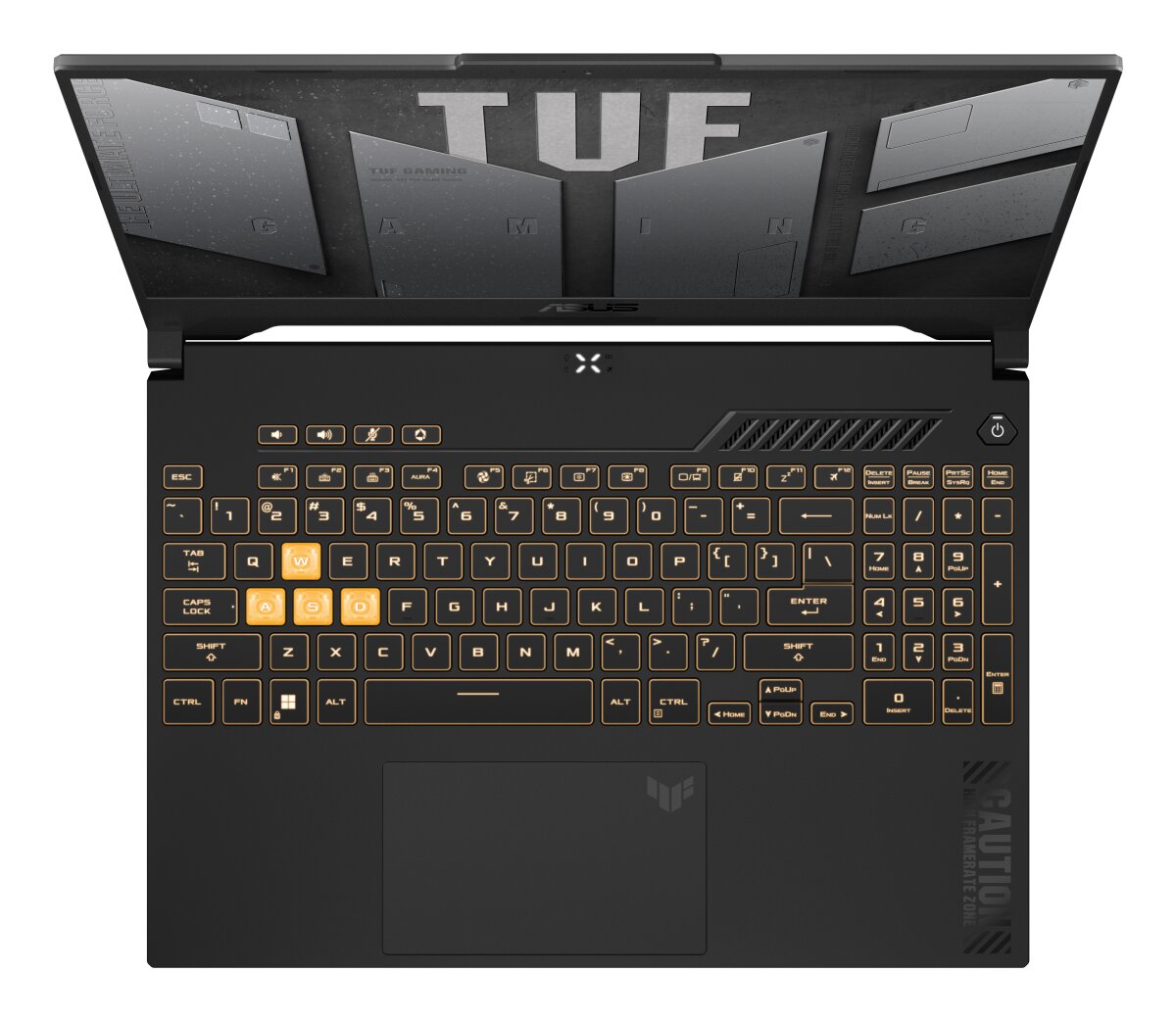
ASUS TUF Gaming F15 FX507VV-WS74 laptop memory upgrade specifications indicate two SO-DIMM slots supporting DDR5-SDRAM modules. The system accommodates maximum RAM capacity of 64 GB total, utilizing SO-DIMM form factor memory modules operating at 4800 MHz frequency. Compatible upgrade options allow installation of DDR5 memory to enhance system performance specifications.
Memory Upgrade Specifications
| Specification | Value |
|---|---|
| Memory slots | 2x SO-DIMM |
| Form factor | SO-DIMM |
| Memory type | DDR5-SDRAM |
| Frequency | 4800 MHz |
| Maximum RAM | 64 GB |
| Voltage | 1.1V |
| Number of pins | 262-pin |
| Interface | PC5 |
| PC Speed Rating | PC5-4800 (PC5-38400) |
| Bandwidth | 38.4 GB/s |
Additional Notes
- The ASUS TUF Gaming FX507VV-WS74 accepts only SO-DIMM modules, which are physically incompatible with standard UDIMM desktop memory despite both using DDR5 architecture. Purchasing incorrect form factor modules results in non-functional hardware.
- DDR5-4800 memory operates at a higher frequency tier than DDR5-4400 baseline modules. Compatibility exists with lower-speed DDR5 sticks, but they will downclock to their native frequency, negating any performance advantage of faster existing memory.
- The 2-slot configuration permits a maximum 64 GB total capacity with 32 GB modules. Single-slot upgrades cannot exceed 32 GB without replacing existing memory entirely, limiting incremental expansion options.
- SO-DIMM modules generate more localized heat than larger UDIMM counterparts due to higher density layouts. Extended gaming sessions with maximum capacity (64 GB) may create thermal pressure on the memory subsystem if chassis airflow remains unchanged from factory configuration.
- Warranty retention requires DDR5-SDRAM modules from ASUS qualified vendor lists. Third-party modules may function but fall outside manufacturer support scope if memory-related hardware failures occur post-upgrade.
- The 64 GB ceiling constrains future workload scaling. Applications requiring memory expansion beyond this threshold necessitate hardware replacement rather than supplementary upgrades.