ASUS TUF Gaming FX507ZC4-HN250 RAM upgrade specifications

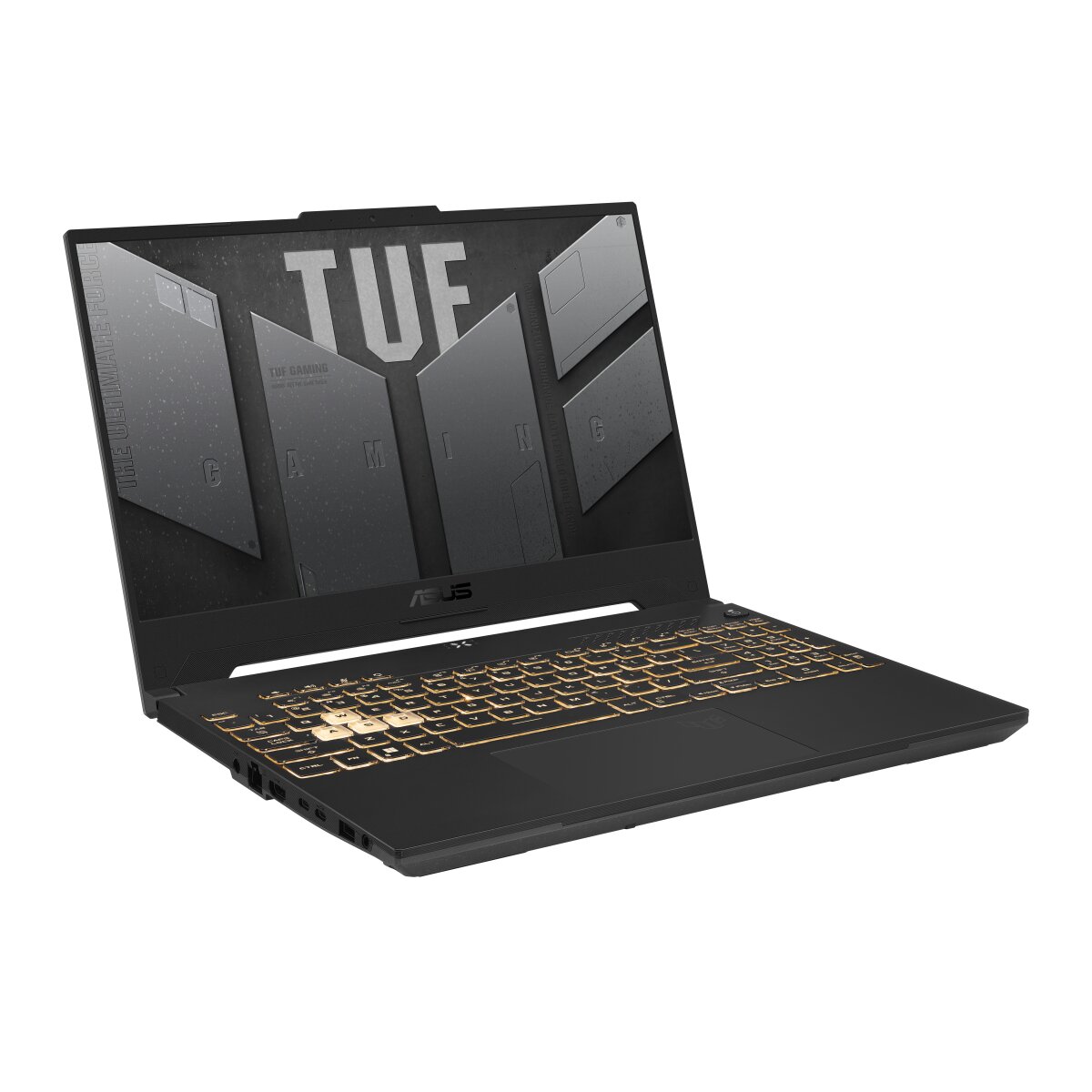
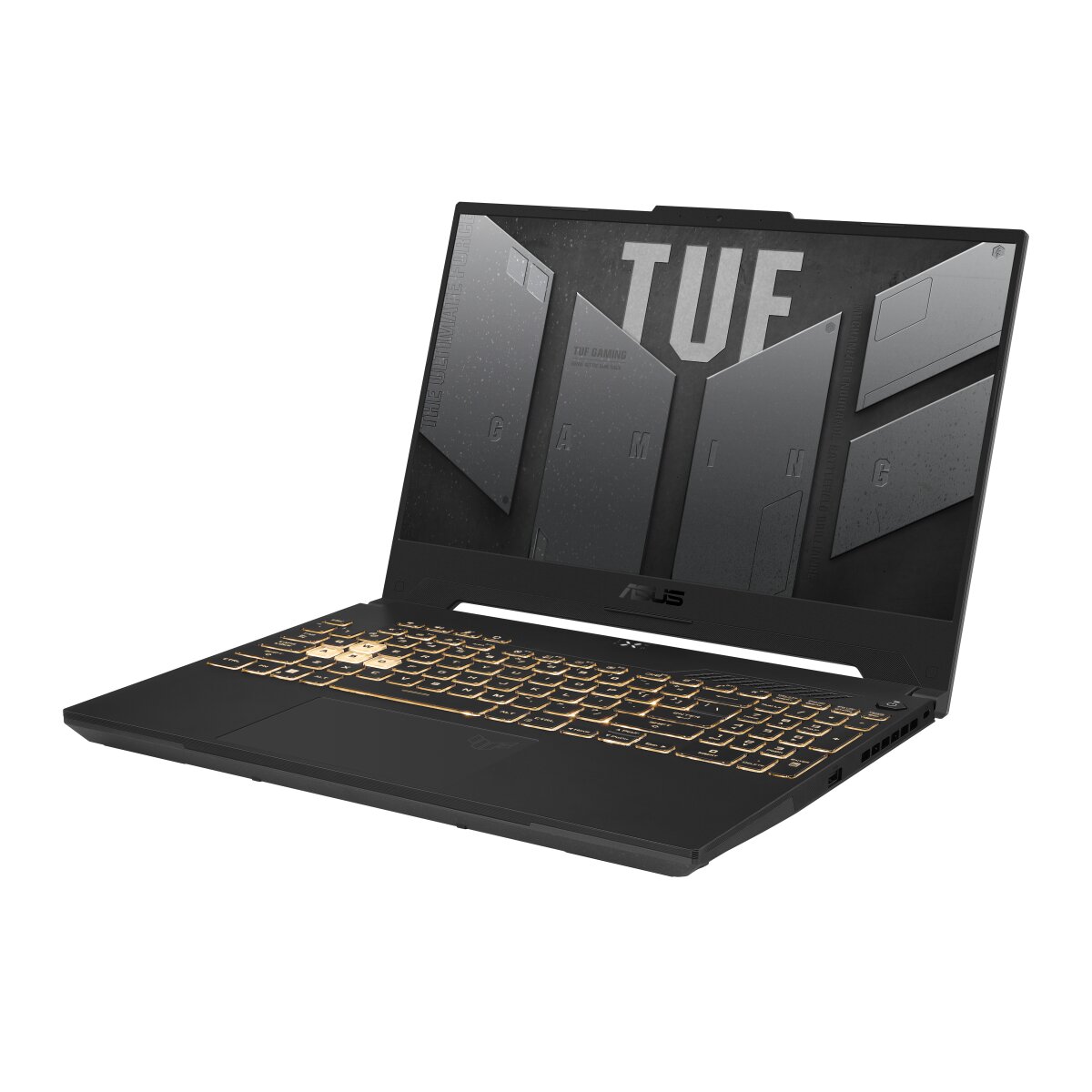
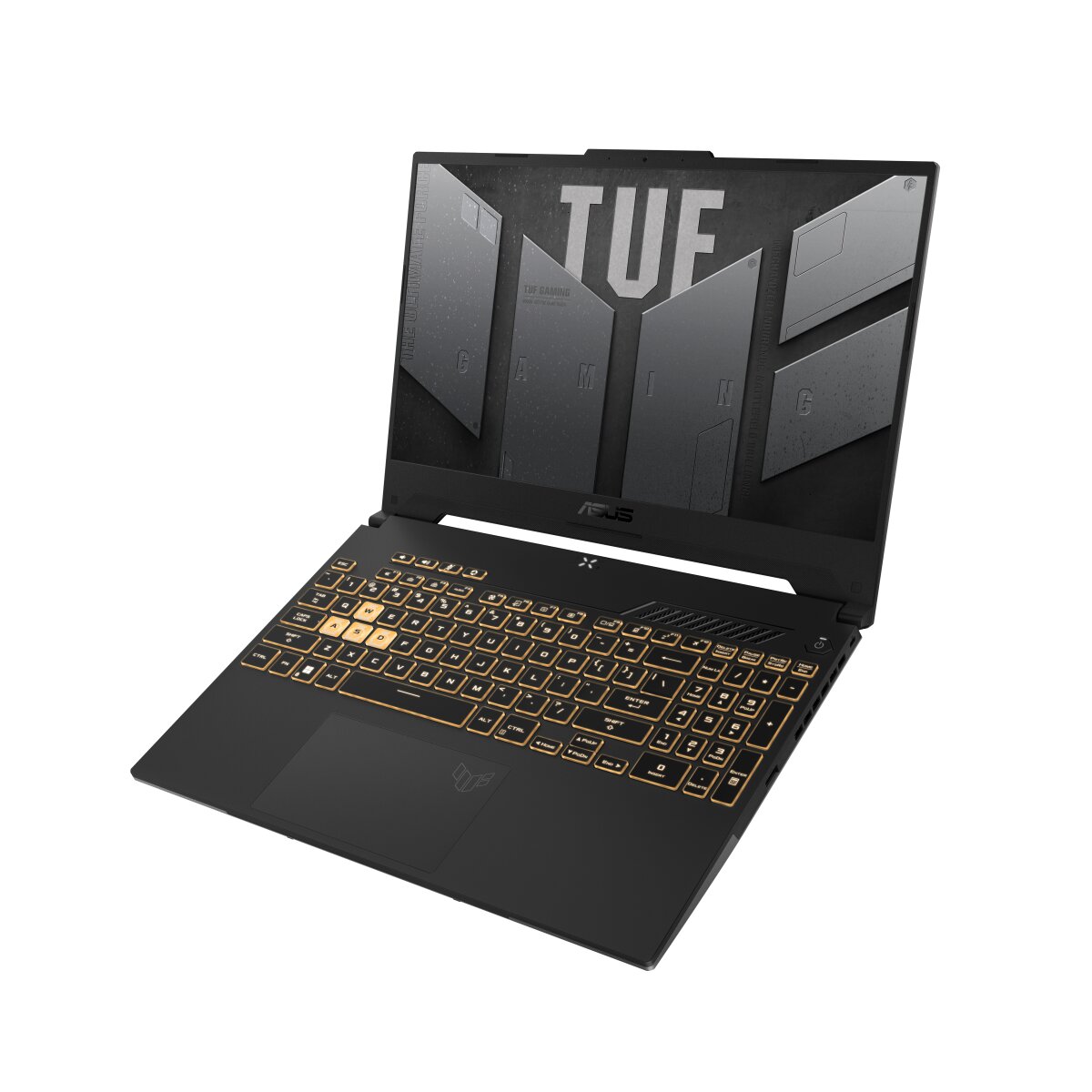
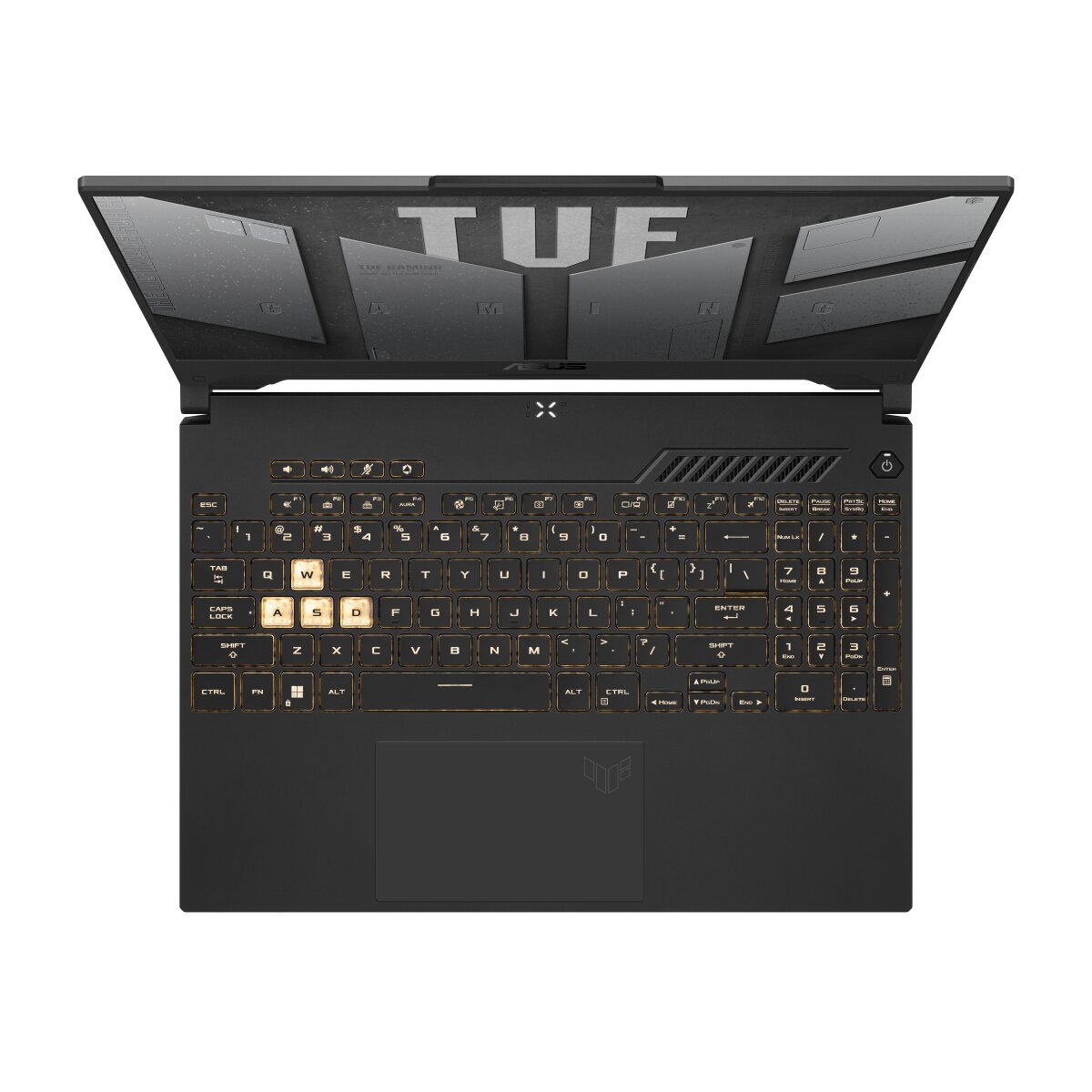
ASUS TUF Gaming F15 FX507ZC4-HN250 features two SO-DIMM slots supporting DDR4-SDRAM memory upgrades. Maximum RAM capacity reaches 32 GB total, with compatible modules operating at 3200 MHz frequency. The laptop specifications allow for memory expansion via dual SO-DIMM slots, each supporting up to 16 GB DDR4 modules. Upgrade options include single or dual module configurations to achieve maximum memory capacity specifications.
Memory Upgrade Specifications
| Specification | Value |
|---|---|
| Memory slots | 2x SO-DIMM |
| Form factor | SO-DIMM |
| Memory type | DDR4-SDRAM |
| Frequency | 3200 MHz |
| Maximum RAM | 32 GB |
| Voltage | 1.2V |
| Number of pins | 260-pin |
| Interface | PC4 |
| PC Speed Rating | PC4-3200 (PC4-25600) |
| Bandwidth | 25.6 GB/s |
Additional Notes
- The ASUS TUF Gaming FX507ZC4-HN250 accepts modules rated at 3200 MHz, which corresponds to DDR4-3200 or PC4-25600 specifications when cross-referencing industry standards.
- The 32 GB maximum capacity indicates a chipset limitation that restricts total addressable memory regardless of individual module density.
- Dual SO-DIMM configuration enables dual-channel operation when matched pairs are installed, effectively doubling memory bandwidth to 51.2 GB/s theoretical maximum.
- Both slots are user-accessible, meaning single-channel configurations with one populated slot will halve available memory bandwidth compared to dual-channel setups.
- DDR4 voltage specification for this speed grade typically requires 1.2V modules, though some XMP-enabled modules may request higher voltages that laptop firmware might not support.
- The 260-pin SO-DIMM form factor physically differs from desktop 288-pin DIMMs, preventing installation of standard desktop memory modules.
- Mixing modules with different speeds will force all installed memory to operate at the lowest common frequency, creating performance asymmetry.
- CAS latency ratings not specified in base frequency alone mean CL22 and CL19 modules both report 3200 MHz but deliver different actual latency performance.
- Non-ECC unbuffered modules are implicitly required, as consumer laptop platforms lack error correction circuitry found in workstation systems.
- Single-rank versus dual-rank module topology affects performance differently depending on whether one or both slots are populated, with dual-rank showing advantages in single-slot configurations.
- Temperature constraints in laptop chassis mean high-profile modules with heat spreaders may create clearance issues with the underside of the keyboard assembly.
- JEDEC standard DDR4-3200 operates with different timing profiles than overclocked modules marketed at the same frequency, affecting stability in systems without manual timing controls.