ASUS TUF Gaming FX507ZE-HN045W RAM upgrade specifications
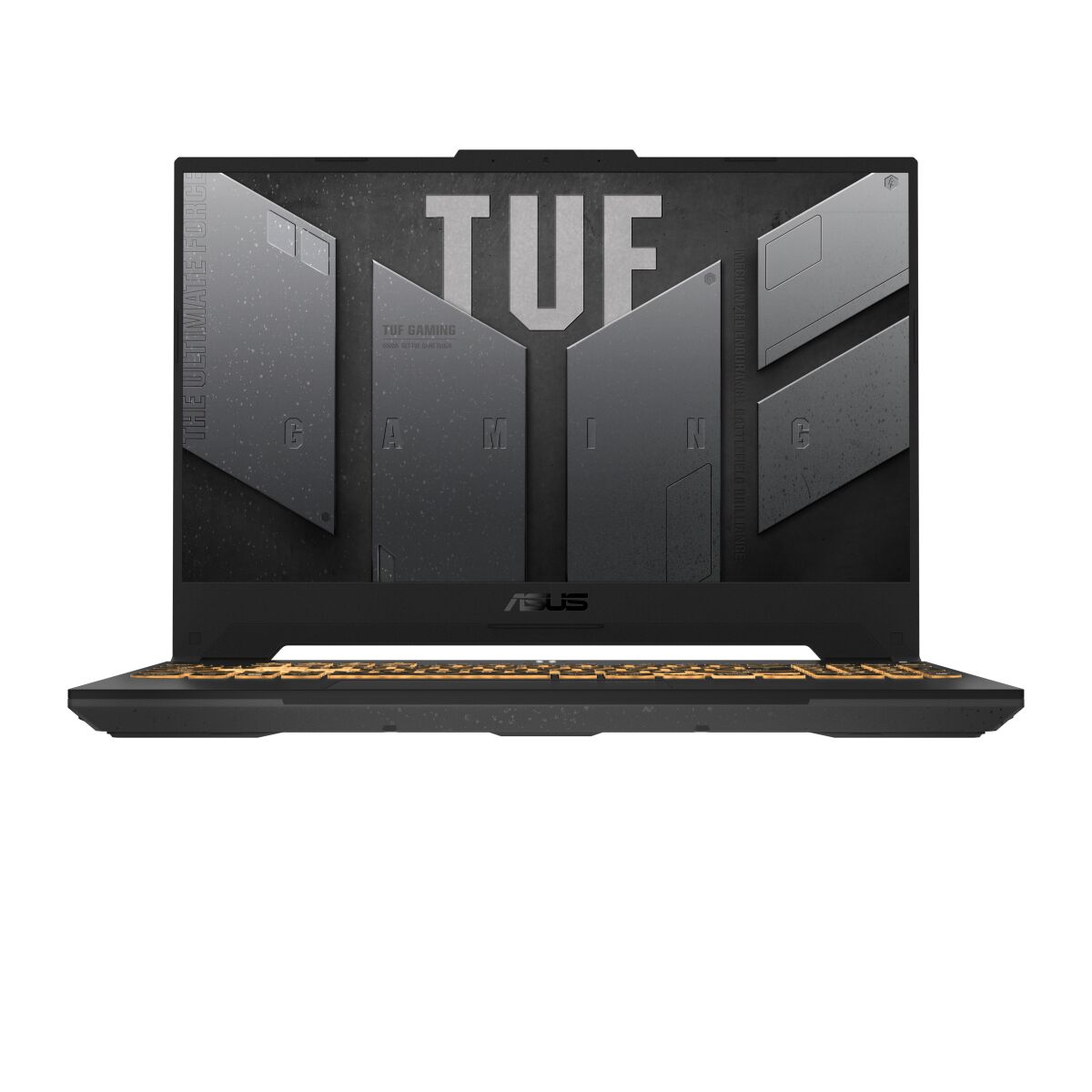
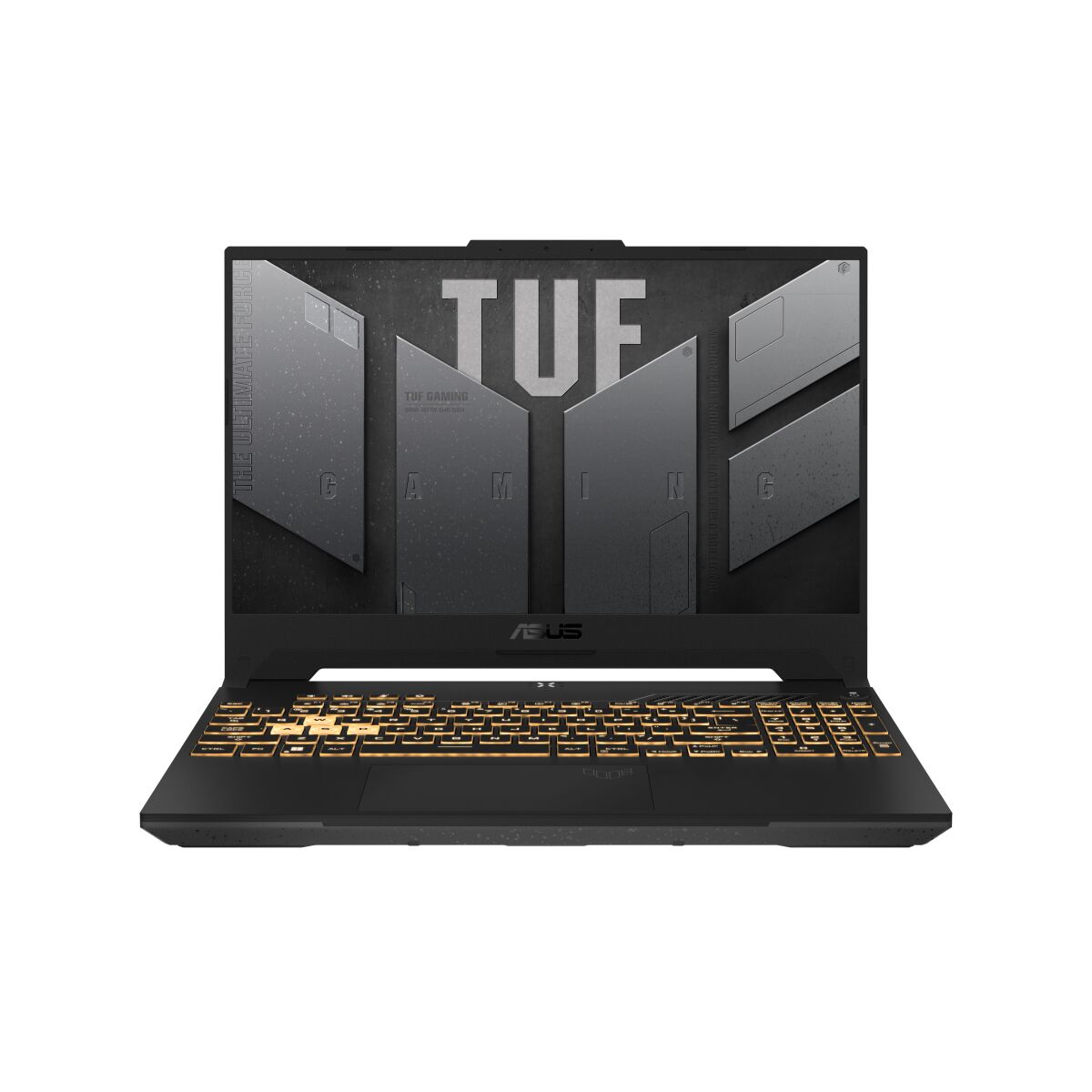
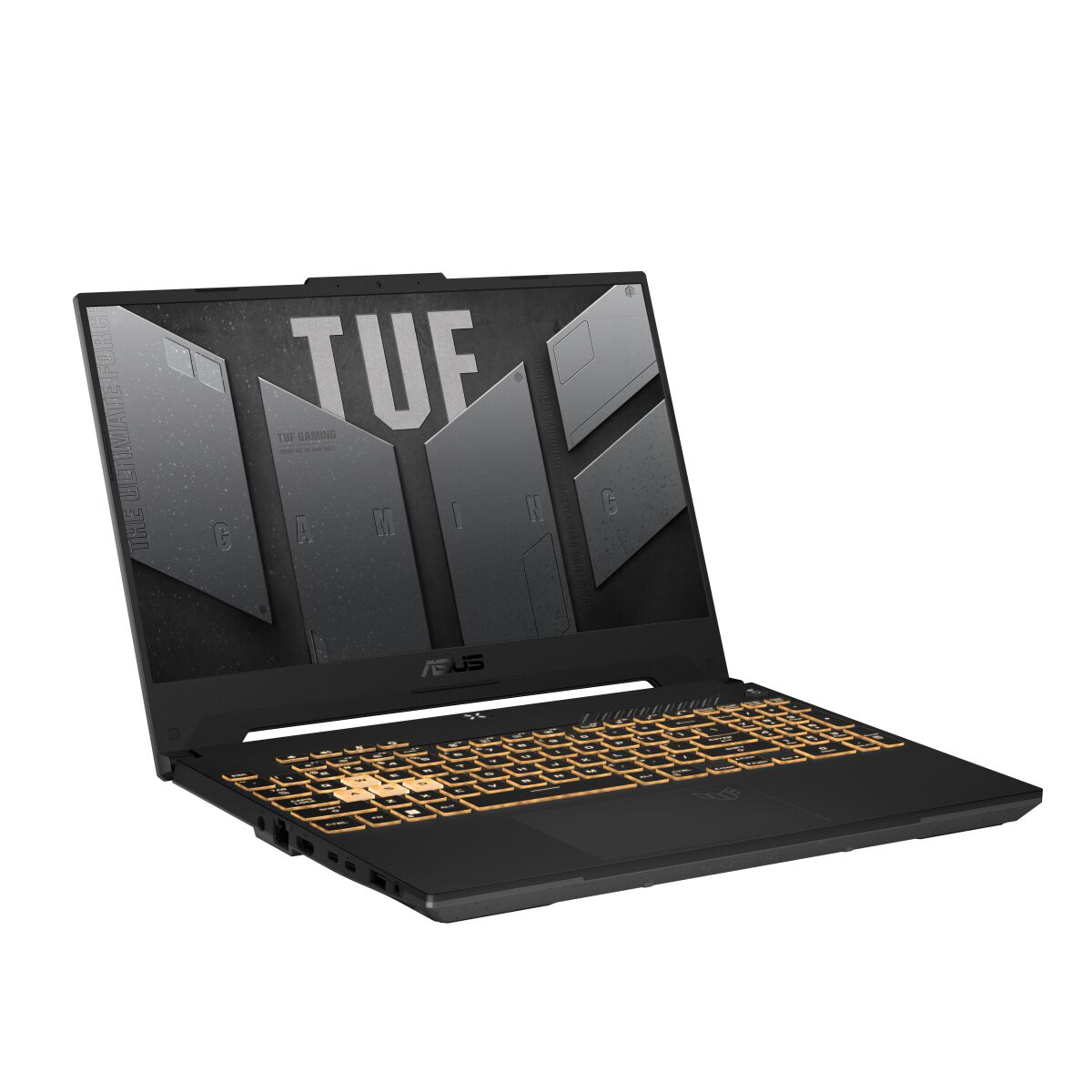
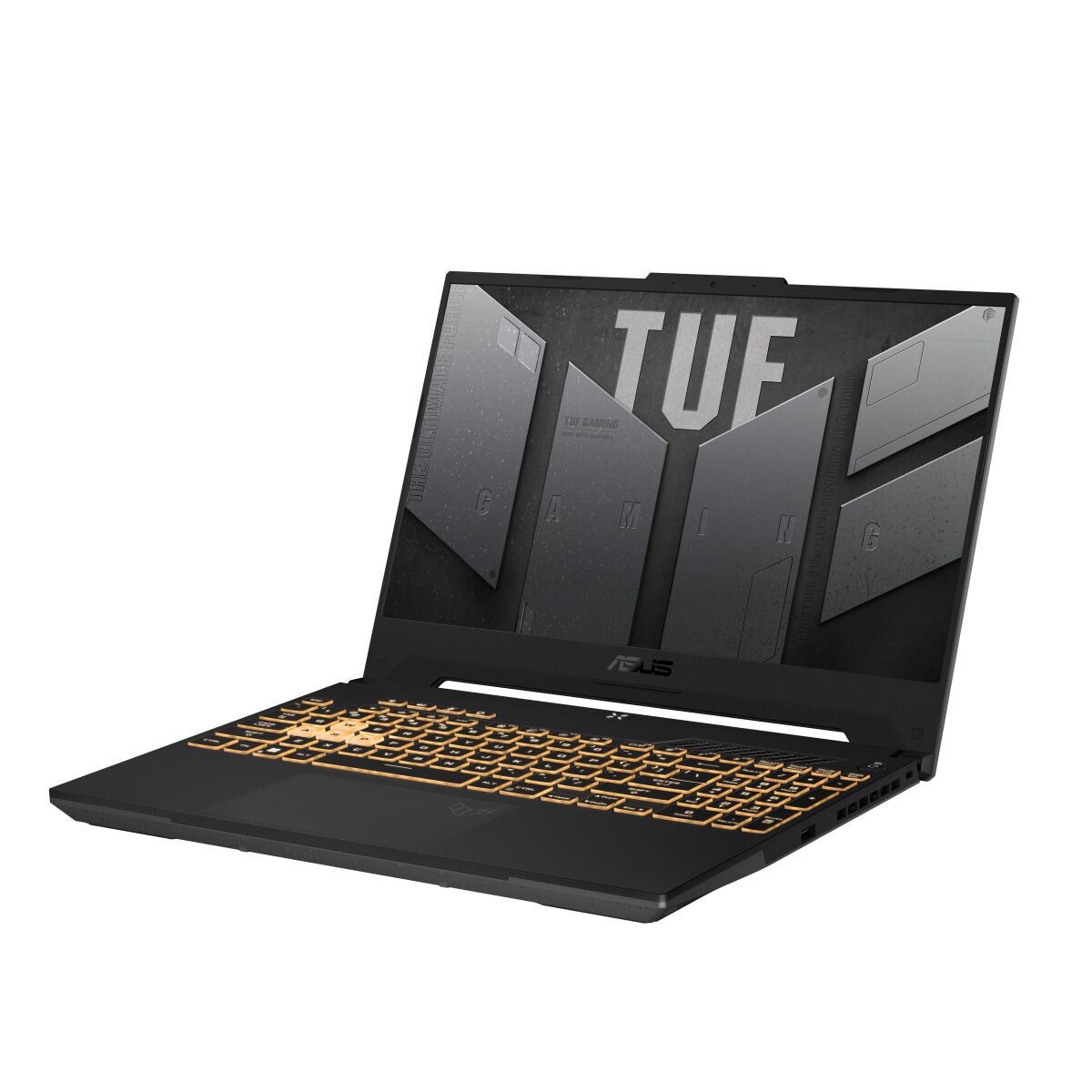
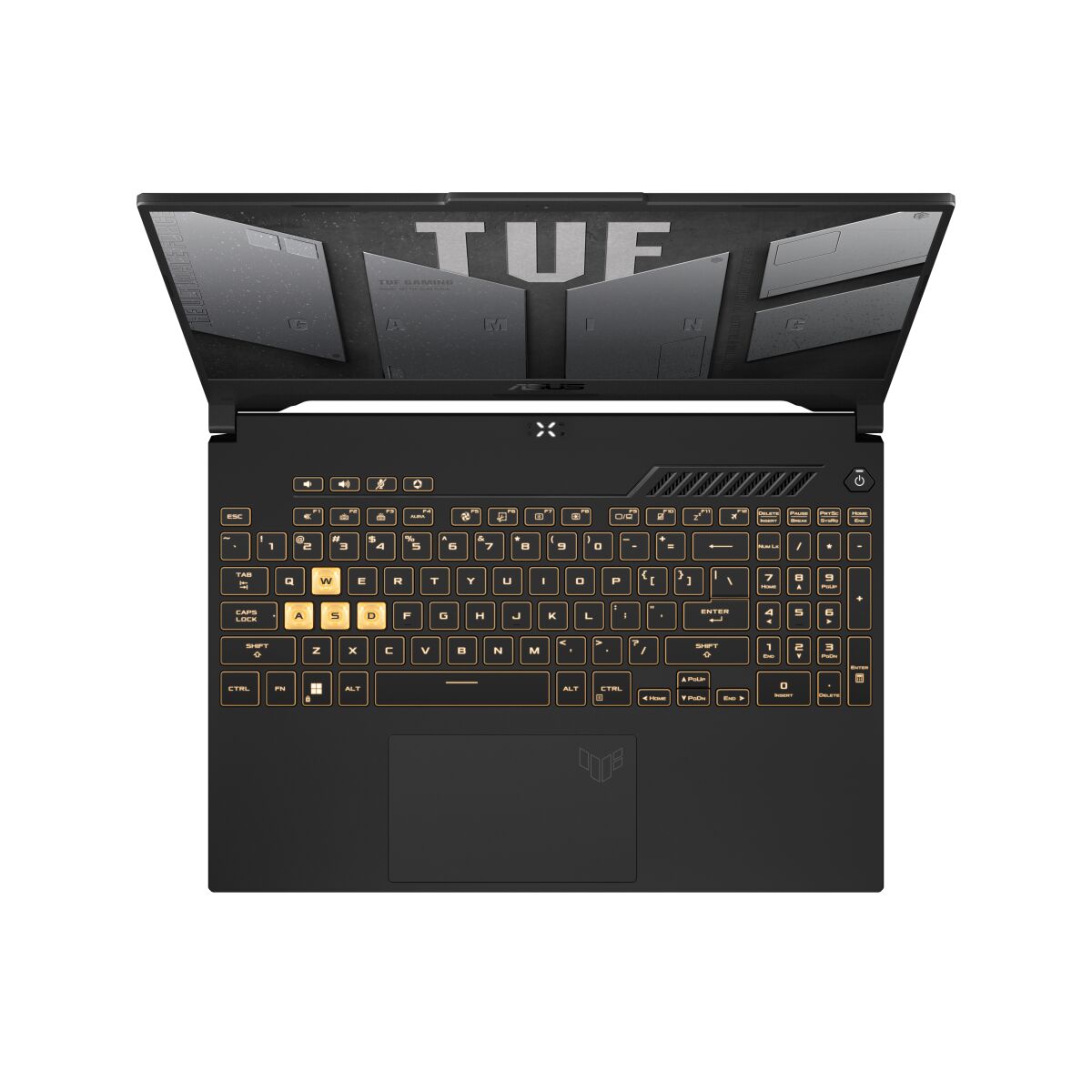
The ASUS TUF Gaming F15 FX507ZE-HN045W features two SO-DIMM slots supporting DDR5-SDRAM memory upgrades. Maximum RAM capacity reaches 32 GB with DDR5-4800 MHz frequency specifications. Compatible memory upgrades utilize SO-DIMM form factor modules. Current memory configuration specifications and available slots enable RAM expansion for enhanced system performance on the FX507ZE-HN045W model.
Memory Upgrade Specifications
| Specification | Value |
|---|---|
| Memory slots | 2x SO-DIMM |
| Form factor | SO-DIMM |
| Memory type | DDR5-SDRAM |
| Frequency | 4800 MHz |
| Maximum RAM | 32 GB |
| Voltage | 1.1V |
| Number of pins | 262-pin |
| Interface | PC5 |
| PC Speed Rating | PC5-4800 (PC5-38400) |
| Bandwidth | 38.4 GB/s |
| Laptop Release date | 13 March 2022 |
Additional Notes
- The ASUS TUF Gaming FX507ZE-HN045W accepts only DDR5 modules, rendering all DDR4 inventory incompatible due to physical notch positioning and voltage requirements.
- The 32 GB ceiling requires a 2x16 GB configuration, eliminating the option for future expansion beyond this dual-channel arrangement.
- SO-DIMM specification restricts compatibility to laptop-sized modules, excluding standard desktop DIMM components regardless of generation or speed.
- Modules rated below 4800 MHz will function but may limit system performance if the chipset relies on memory bandwidth for integrated graphics or intensive workloads.
- Both slots must remain accessible without motherboard removal based on typical SO-DIMM implementation in gaming laptops of this class.
- Mixing module capacities across slots will maintain dual-channel operation only up to the smallest matched capacity, with remaining memory reverting to single-channel mode.
- DDR5's on-die ECC feature operates independently of user configuration but does not replace registered ECC found in server-grade systems.
- Voltage is standardized at 1.1V for DDR5, eliminating the low-voltage variant decisions required with previous DDR4 systems.
- XMP or EXPO profiles above 4800 MHz may require BIOS support verification, as base JEDEC specification locks at this frequency without overclocking provisions.
- Thermal considerations become relevant at maximum capacity, as dual 16 GB modules generate more heat than lower-density configurations during sustained loads.